Why price is the wrong first question
Almost every yoga mat guide sorts by quality and mentions price at the end. That is backwards for the way people actually shop. You arrive with a number in your head — twenty dollars, a hundred, whatever feels reasonable — and you want to know what that number buys and whether the next band up is worth crossing into.
So this guide is sorted by price, and every mat carries one extra number the usual roundups leave out: what it costs per year of ownership.
That number reorders everything. A $25 mat that flattens in two years costs about $13 a year. A $130 mat with a lifetime warranty, kept for ten, costs about $13 a year. The cheapest and the most expensive mats on this page cost the same to own. Everything in the middle costs more.
The three price bands
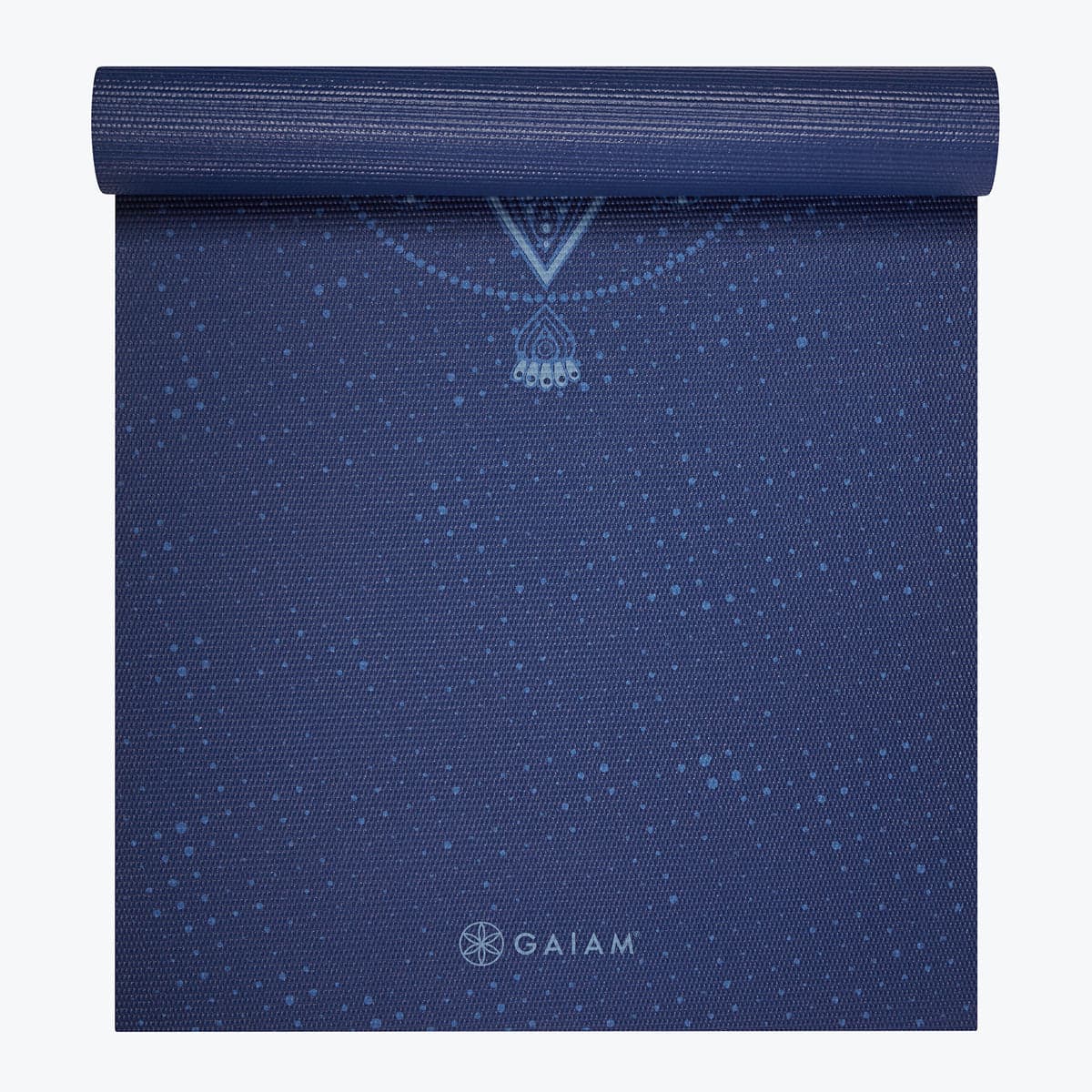
Under $40. You are buying foam or thin PVC. It will be comfortable, it will come in good colours, and it will compress. Grip is adequate dry and poor wet. This is the right band if you practise once or twice a week, if you are not sure yoga will stick, or if you need a spare for guests and students.
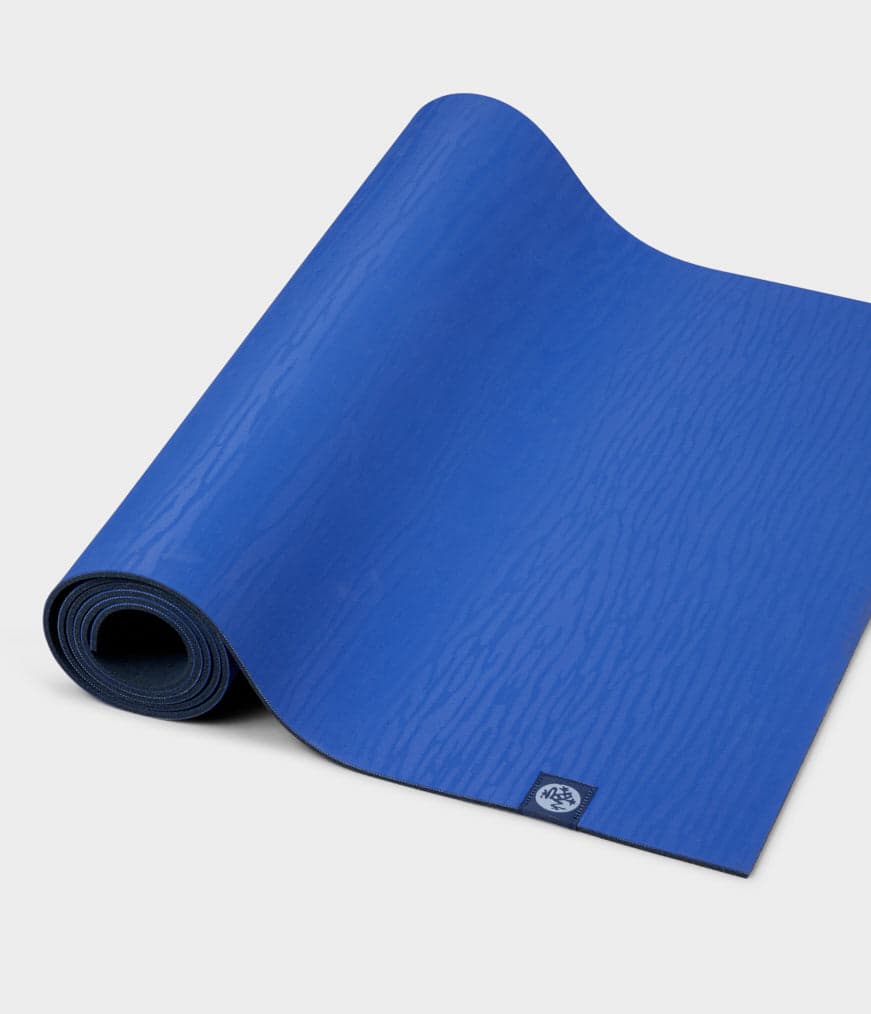
$45 to $75. The awkward band. Construction barely improves over the budget mats; what you mostly pay for is branding and a slightly better finish. The one genuine exception is the Manduka eKO Lite, which puts natural rubber in your hands at a price PVC usually occupies.
$80 and up. Here the material changes. Closed-cell PVC, natural rubber, polyurethane surfaces — materials that do not compress under a knee and do not need replacing. The warranties get longer because the mats survive long enough to honour them.
Where the money stops buying anything
Past about $140 you are paying for design, markings and brand rather than longevity. The Liforme is a genuinely excellent mat and the most expensive one here, and it is not the longest-lived — that is the Manduka PRO, which is cheaper. If budget is the binding constraint, there is nothing above $140 that will serve you better than the PRO.
Grip is the one thing price reliably predicts
Durability varies in both directions across price bands. Grip does not. Every mat under $40 on this list gets slippery when wet, and every mat over $80 holds. If you sweat — hot rooms, strong vinyasa, warm climates — this is the single reason to cross into the upper band, and it matters more than cushioning or looks.
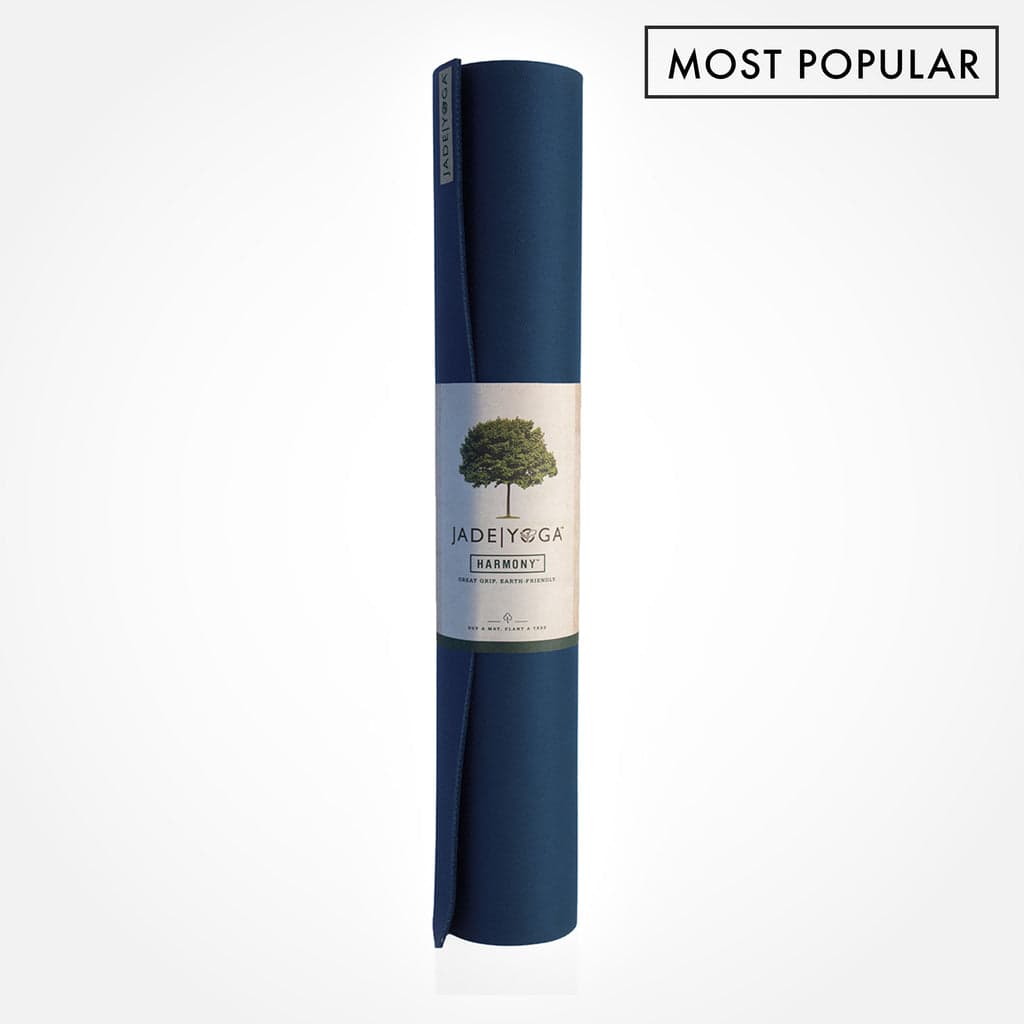
The Jade Harmony is the strongest wet grip here, and it pays for that with open-cell rubber that absorbs what it grips. It needs cleaning in a way the closed-cell mats do not, and it wears faster. Grip and lifespan pull against each other.
What teachers end up buying
Teachers converge on the same answer with suspicious regularity: one premium mat for their own practice that lasts a decade, and a stack of cheap mats for students. Nobody buys six premium mats for a studio. The budget band exists for a real reason and buying it for the right job is not a compromise.
If you are teaching, the mat under you is working several hours a day and the per-year maths favours the expensive one by a wide margin. If you are practising at home a few times a week, it does not.
A note on sales
Manduka and Gaiam discount predictably — end of season, Black Friday, discontinued colours. Liforme essentially does not. If the mat you want is within fifteen dollars of its usual price, buy it; waiting for a deeper discount on a mat you will own for ten years is a poor use of attention.
Prices here were checked in October 2026 and are the range the mats actually sell in rather than list price, so expect the figures to drift a little either way.