
F
We test our recommendations
All mats are personally used in our classes and yoga teacher trainings — no spec-sheet roundups. Each mat in this list has been on rotation for at least one full teaching season.
Six yoga mats put through real classes — Manduka PRO, Liforme, Jade Harmony, B Mat Strong, Gaiam Premium, and the Manduka eKO Lite. Honest grip / density / longevity notes for teachers who spend hours on the mat.
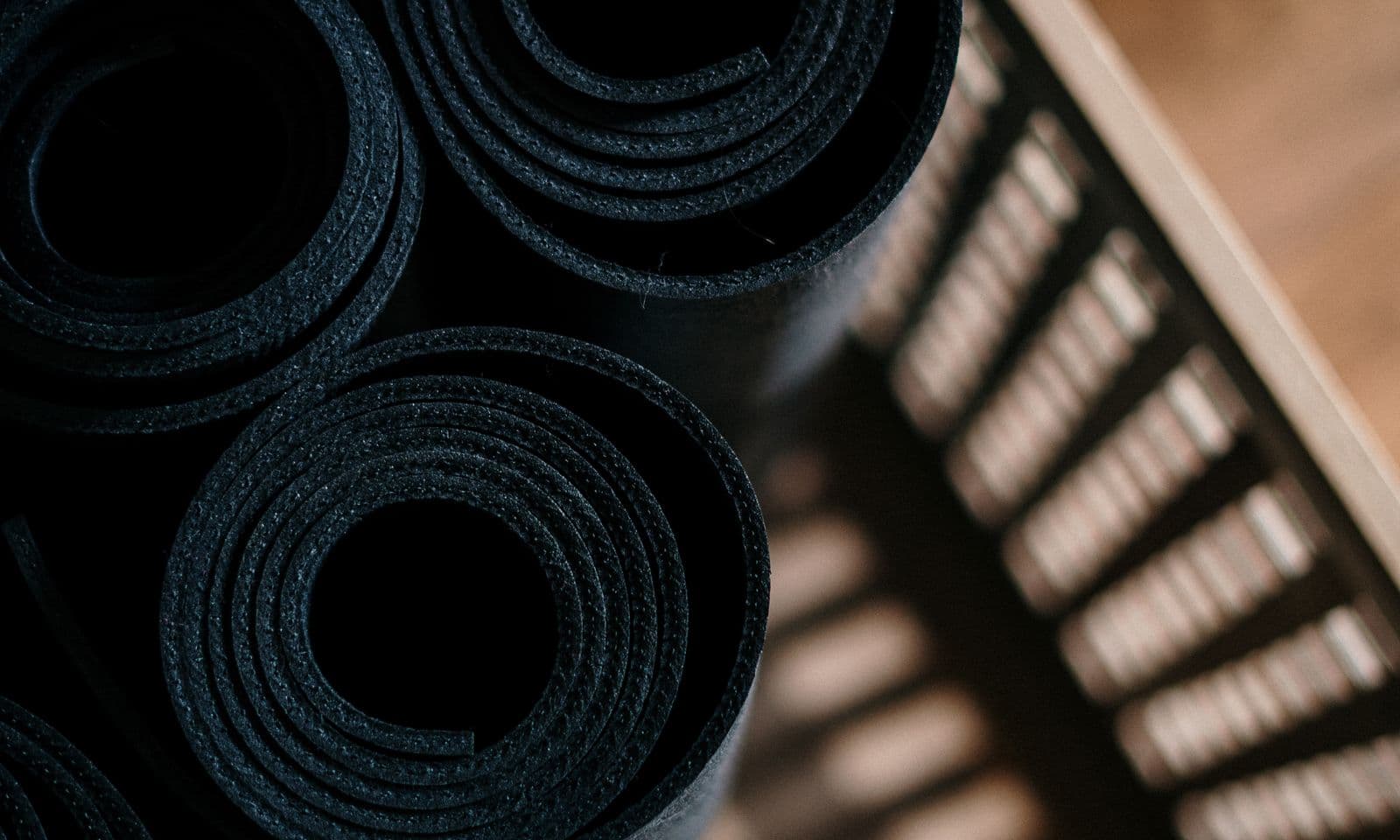
All mats are personally used in our classes and yoga teacher trainings — no spec-sheet roundups. Each mat in this list has been on rotation for at least one full teaching season.
Our team independently tests products. If you buy through our links, we may earn a commission at no extra cost to you. Every link uses our Amazon Associates tag (flowyoga0f-20).
Stay stable in every pose — dry hands or sweaty palms.
Protects knees and wrists during long classes.
Built for daily teaching, not weekend hobby use.
Better for you and the planet. Renewable materials win.
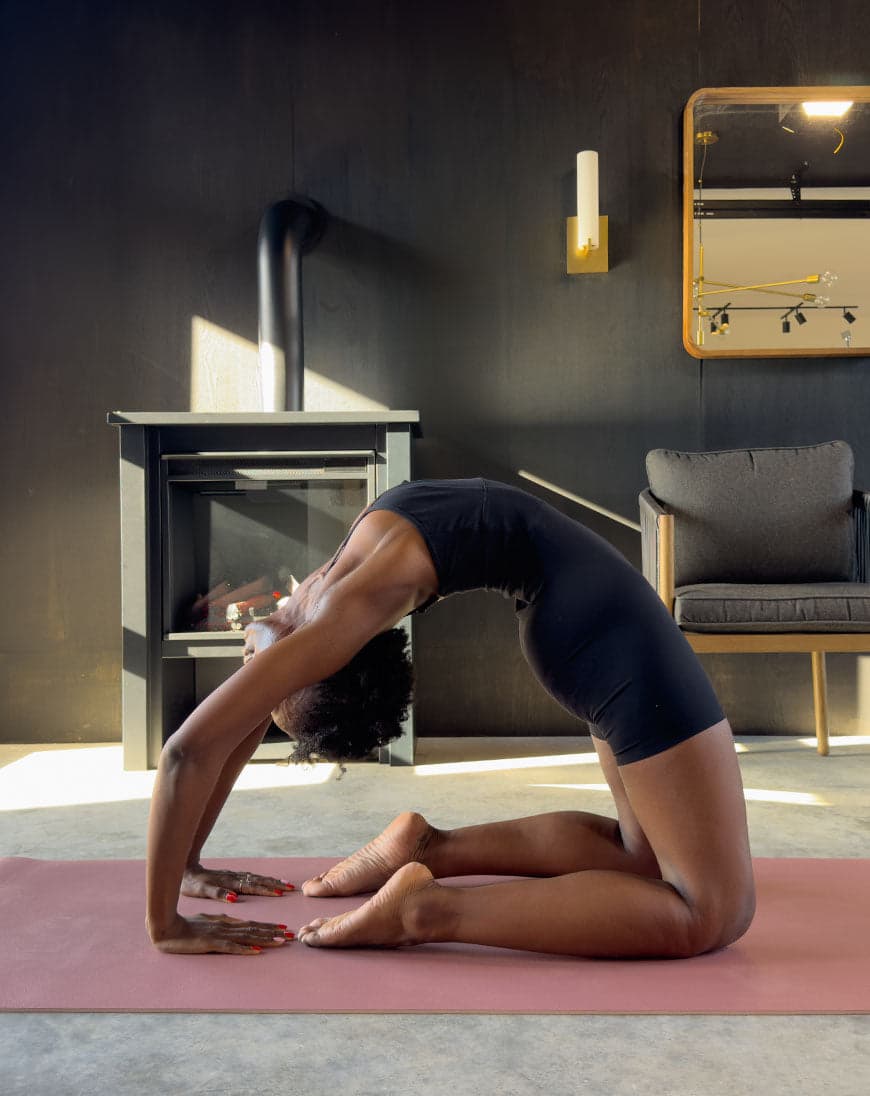
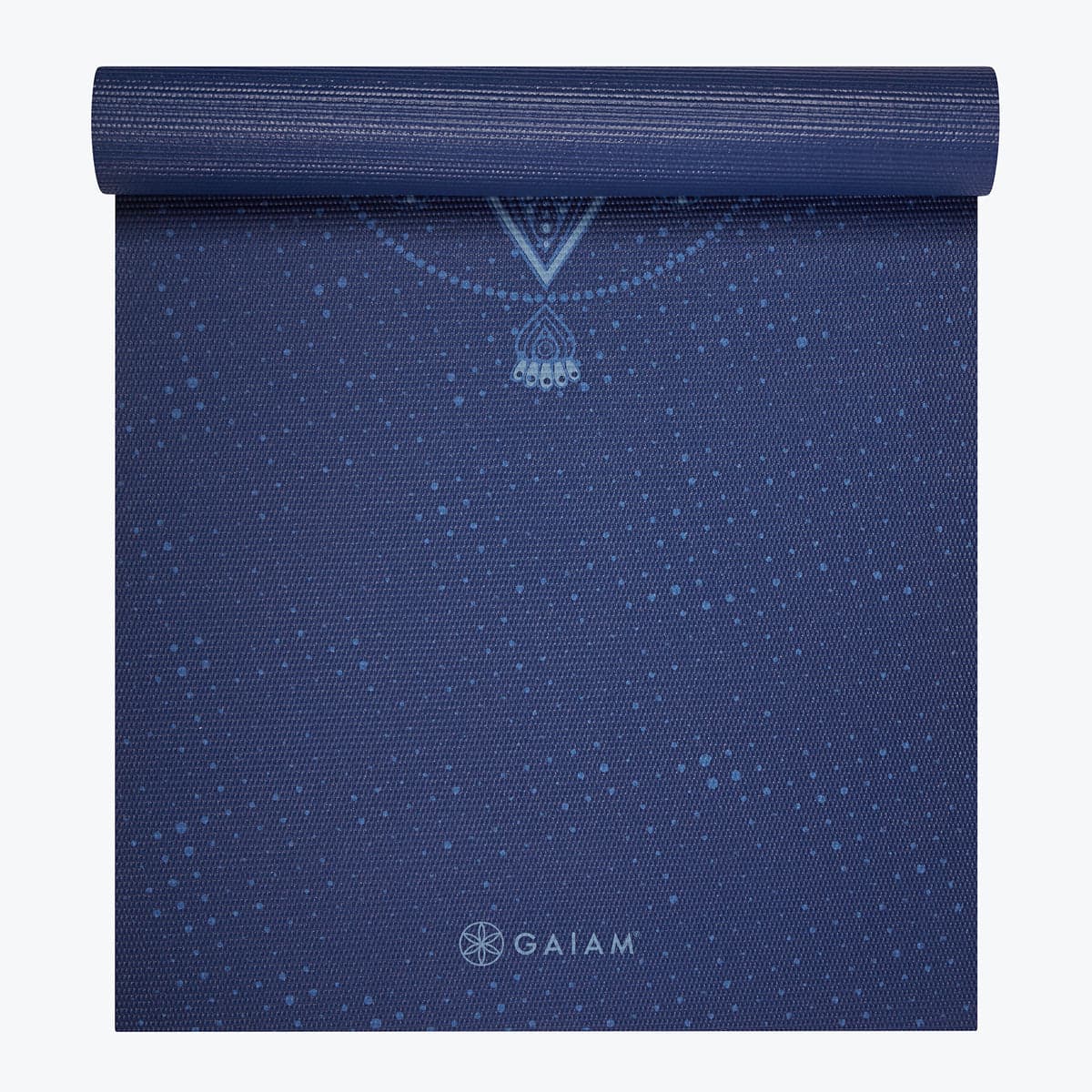
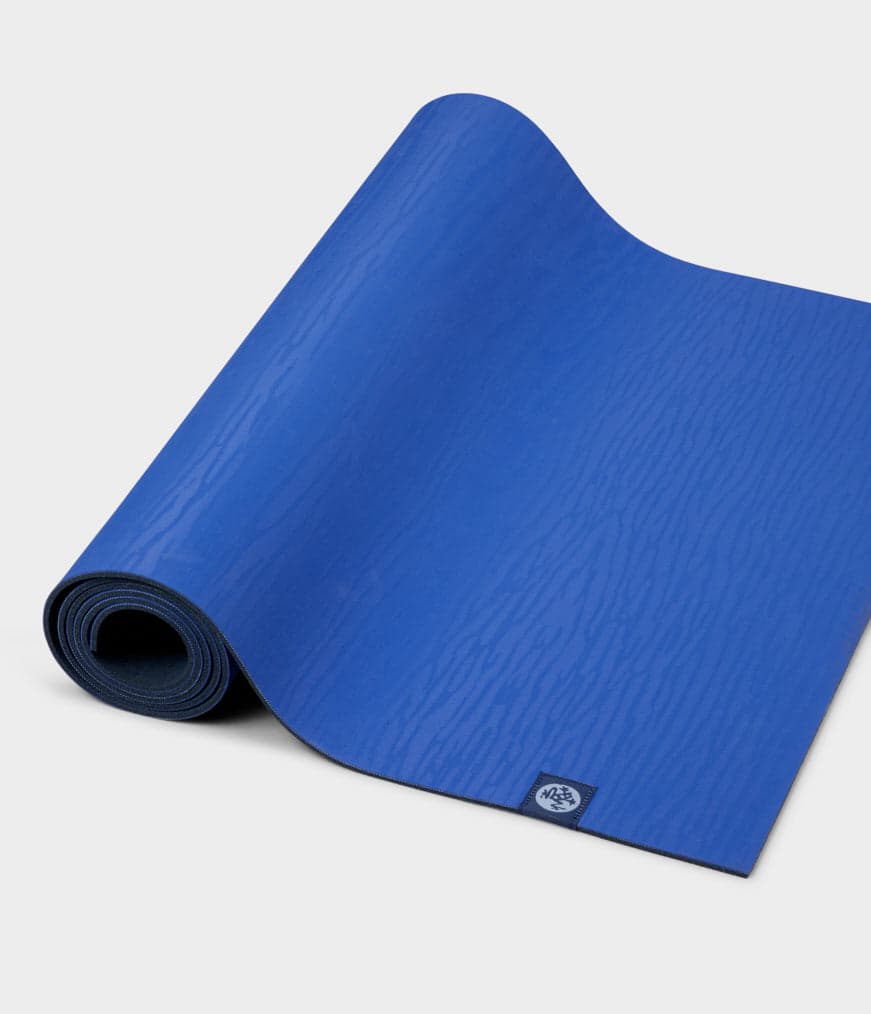 1
1Best for: Yoga teachers, daily use, all styles
2Best for: All levels, alignment-focused yogis, hot yoga
3Best for: Eco-conscious yogis, hatha, yin
4Best for: Power yoga, ashtanga, sweaty hand teachers
5Best for: Beginners, casual practice, second-mat use
6Best for: Travel, retreats, second mat
Plan the class, not just the kit
FLOW's 420+ pose library and drag-and-drop sequence builder, free on iPhone, iPad and Android.
If you teach multiple classes a day, durability and grip are non-negotiable. I personally use the Manduka PRO for my daily practice and trainings — six years in, still no signs of wear.
6mm is the sweet spot for teachers who spend hours on the mat. It cushions kneeling and seated work without compromising stability for standing poses. 4-5mm works for vinyasa-only teachers who prioritize floor connection; 8mm is too soft for safe alignment in standing balance work.
The Liforme Original. Its hydrophilic eco-polyurethane top layer becomes grippier when wet — the opposite of how every other yoga mat behaves. Manduka PRO with a yogitoes towel on top is a workaround, but the Liforme is the only mat designed for sweat from the ground up.
They are usually grippier, more eco-positioned, and feel "warmer" underfoot. They are also heavier, smell like rubber for the first weeks, and wear faster than closed-cell PVC. For longevity, the Manduka PRO (PVC) outlasts every natural rubber mat. For ethics + grip, natural rubber is the better story.
A Manduka PRO can last 10+ years with normal use — Manduka famously offers a lifetime warranty. Liforme runs 4-6 years before the top layer degrades. Jade Harmony 3-5 years. Budget PVC mats (Gaiam Premium etc.) 1-2 years before the surface starts breaking down. Buy once, buy quality if you teach for income.
Choosing the right yoga mat depends on your practice, teaching style, and personal preferences. If in doubt, start with the Manduka PRO — it has outlasted every other mat we have owned.
As an Amazon Associate, FLOW may earn from qualifying purchases. Every link below uses our tracking tag — you don't pay a cent more, but it helps us keep writing reviews like this one.
A yoga teacher's mat isn't a yoga mat. It's a workbench. You're on it for three to six hours a day, often during the hottest part of someone else's class, and you need it to do three jobs at once: hold your hands when they're wet, hold your alignment when they're not, and survive being rolled into a bag forty times a month.
We pulled six of the most-recommended mats — across price points, materials, and grip styles — and ran each through a real teaching week. No spec-sheet roundups. No gentle "all of these are great." Just what they actually feel like at hour two, and which one we'd buy again if we lost the one we already own.
If you teach vinyasa or power yoga and your hands sweat: Liforme Original. It's the only mat in this round that gets grippier the wetter you get, and the alignment guides are not a gimmick after the seventh adjustment.
If you teach hatha, yin, or restorative and your knees notice everything: Manduka PRO. The 6mm density is the closest thing to a wooden floor with a forgiveness setting.
If you want eco-friendly + sticky and you're not in a steam room: Jade Harmony. Open-cell natural rubber that smells like a yoga studio in 1998, which is a compliment.
The rest of this review is the reasoning. Skim or read; both work.
| Mat | Material | Thickness | Best for | Weight | Approx price |
|---|---|---|---|---|---|
| Liforme Original | Natural rubber + eco PU | 4.2mm | Vinyasa, hot yoga, sweaty hands | 5.5 lb | $150 |
| Jade Harmony | Open-cell natural rubber | 5mm | Yin, hatha, eco-conscious | 5.0 lb | $89 |
| B Yoga B Mat Strong | Solid natural rubber | 6mm | Power yoga, ashtanga | 7.4 lb | $112 |
| Gaiam Premium | PVC | 6mm | Beginners, occasional use | 3.0 lb | $35 |
| Manduka eKO Lite | Natural tree rubber | 4mm | Travel, second mat | 4.0 lb | $74 |
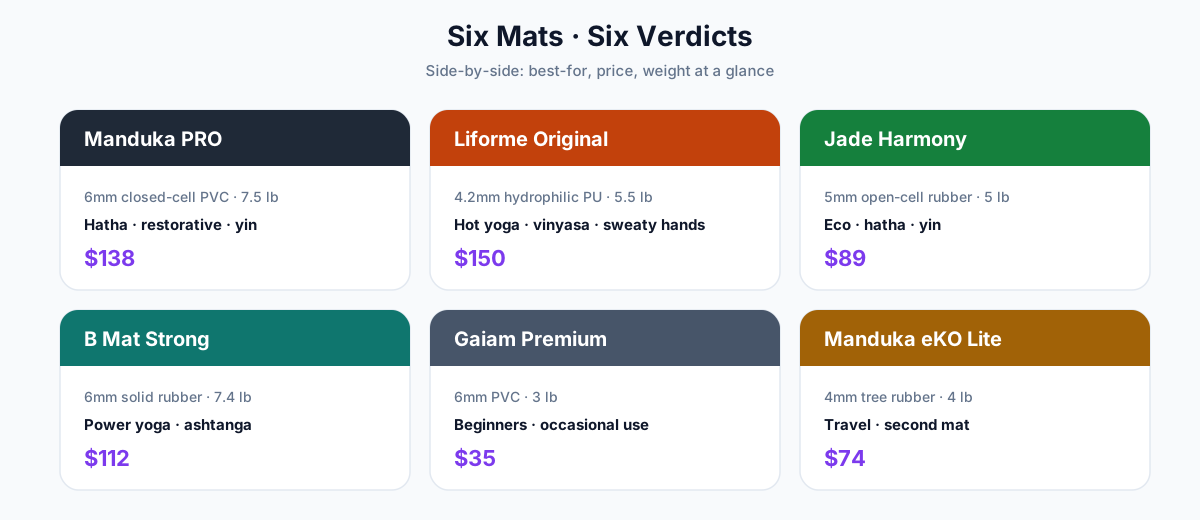
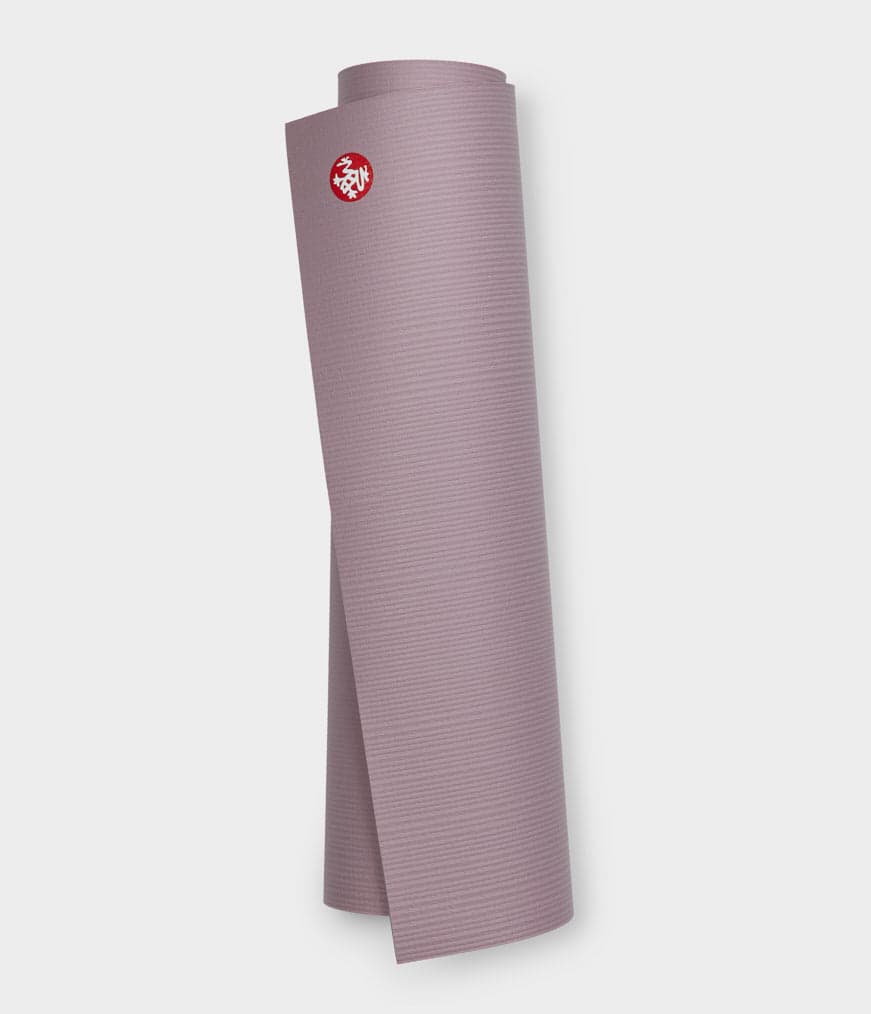
The PRO is the mat almost every veteran teacher in our network owns and has owned for years. The 6mm closed-cell PVC density is the actual selling point: you can hold a low lunge for five breaths and your back knee won't ask questions. The surface starts slick — every PRO needs a salt-scrub break-in before it grips properly — but once it's seasoned, it's the most reliable mat in this round on dry hands.
What it's not: a sweat mat. If your students sweat, you want a towel on top, or you want the Liforme below. The closed-cell construction is also non-absorbent, which means it cleans up in 30 seconds with a vinegar-water spray — a real reason to own one as your at-studio mat.
We've had a PRO in rotation for nine years. It looks tired. It is not tired. Check the Manduka PRO on Amazon →
Honest caveat. Heavy. 7.5 lb is a serious mat. If you bike or walk to the studio carrying everything, the eKO Lite below is the same brand at half the weight.
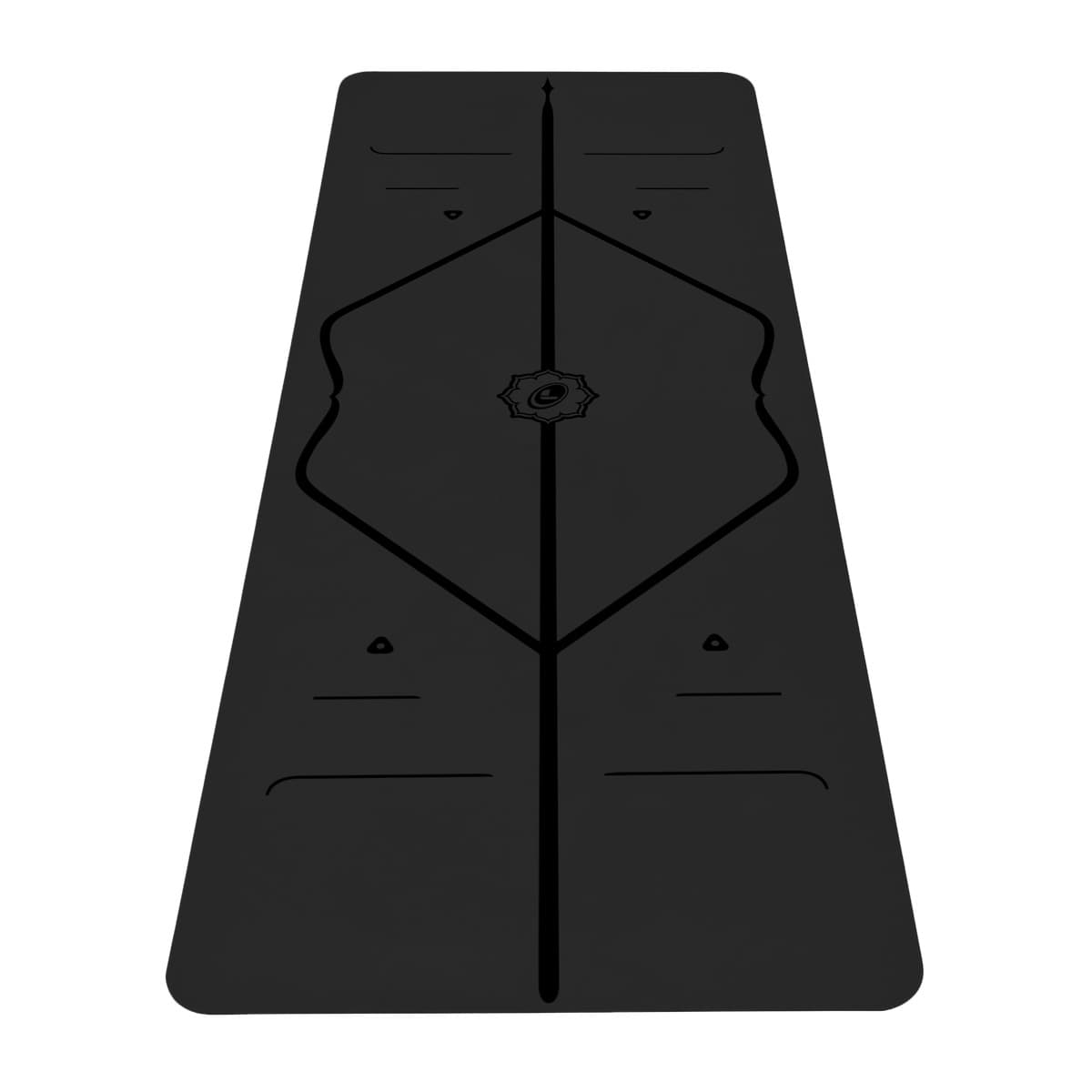
The Liforme is what happens when a designer who actually teaches asks: "what if the mat got grippier when you sweat?" The eco-polyurethane top layer is hydrophilic — it bonds to moisture rather than rejecting it. Your palms in down dog at minute thirty of a heated class do not slide. This is not marketing. This is just true.
The other Liforme thing is the alignment system: faint lines etched into the surface that show midline, hip width, hand placement. Every yoga teacher we've put on a Liforme spends the first week saying "I don't need that" and the second week using it to give students cleaner cues. It teaches you what you already know, more precisely.
Two downsides. Price — $150 is a real number. And softness — at 4.2mm with a soft top layer, knees notice it more than they do on the PRO. We solve that with a folded blanket under the kneeling poses, but it's worth knowing.
Check the Liforme Original on Amazon →
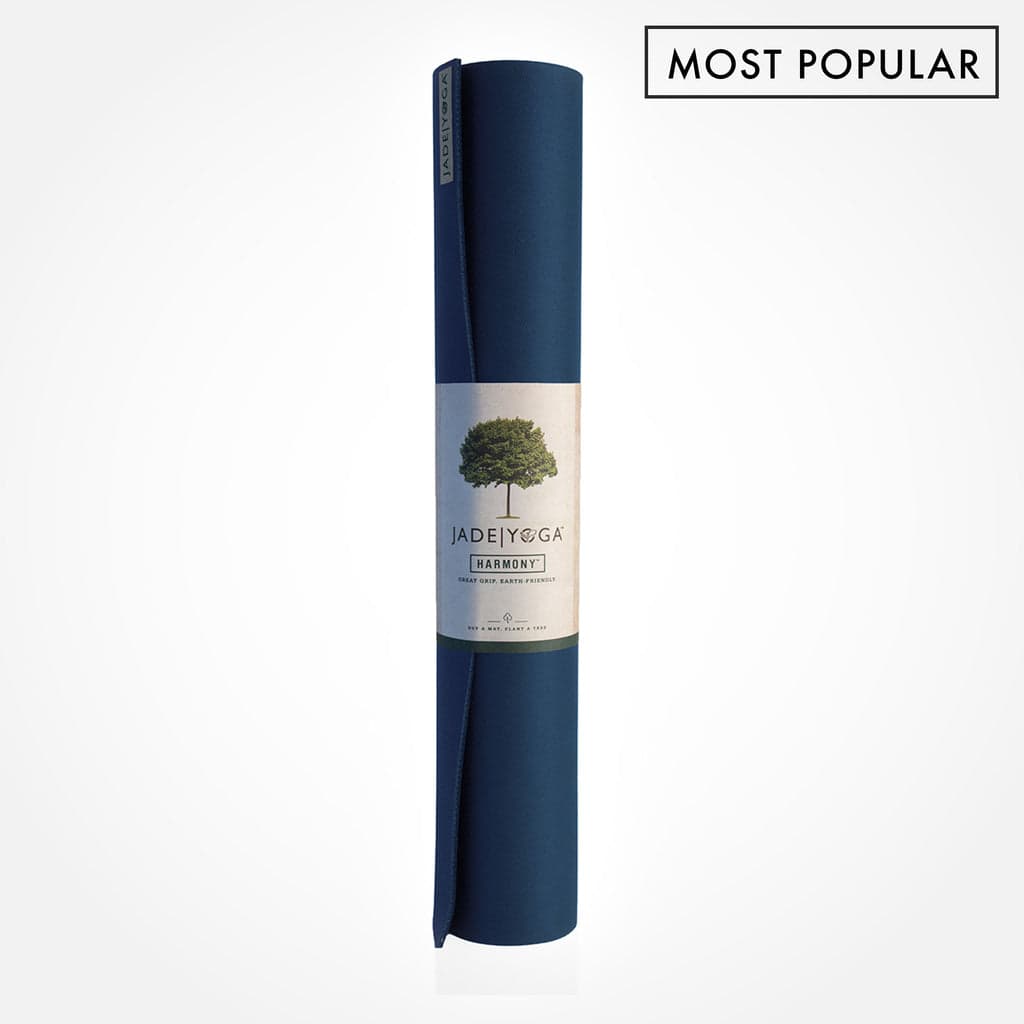
Jade is the mat that smells like rubber when you unroll it, which means it's actually rubber. Open-cell natural rubber, sustainably harvested, and the company plants a tree for every mat sold (Trees for the Future, ~3M trees as of last public count). The grip is excellent on dry hands and acceptable on sweaty ones — it's not Liforme-tier in heat, but it doesn't pretend to be.
The Harmony is 5mm thick — the sweet spot between "I can feel the floor" and "my knees are protected." For hatha and yin teachers it might be the best balance on this list. For hot yoga it's a no — natural rubber absorbs sweat and gets slippery before you finish the standing series.
It also wears. Five years of daily teaching and you'll see flaking on the edges. That's the trade for biodegradable; we think it's a fair one.
Check the Jade Harmony on Amazon →
The B Mat Strong is what teachers buy when their students keep slipping on hotel-gym mats. Solid rubber, no top coating, no etched lines. 6mm thick and properly dense — closer to the PRO than the Liforme in feel — but the grip works wet. Hands plant and stay planted.
It's heavy (7.4 lb), it smells like rubber for the first two weeks, and the edges curl up if you store it rolled too long. We mention these because none of the marketing pages do. They don't change our recommendation; you should just expect them.
Ashtangis and power-yoga teachers love this mat. If your students are doing transitions through bakasana on a Tuesday morning, this is the one. Check the B Mat Strong on Amazon →.
The Gaiam Premium 6mm is what we recommend when someone asks "I want to start teaching, what mat?" — and they don't yet know how seriously they'll keep teaching. It's PVC, it's $35, and it does the job for the first eighteen months. The print options are pretty.
It will not last six years like the PRO. It will not handle hot yoga like the Liforme. It is not the most ethical material. But it is the rare mat at this price that doesn't roll up at the corners after a month.
If you're three classes a week or fewer, this is enough. Check the Gaiam Premium on Amazon →
The eKO Lite is half the weight of the PRO, made from natural tree rubber, and folds (it does not love being folded long-term, but it folds). For workshops, retreats, hotel rooms, and the second mat that lives in the studio cubby, this is the one we keep buying.
Grip is good — better than the PRO on sweat, not as good as Liforme. Density is 4mm, which is the trade for portability; pair it with a folded mat at workshops where you'll be on it for eight hours.
The 5-year-old eKO Lite in our rotation is faded but still grips. Manduka quality at a different weight class. Check the eKO Lite on Amazon →
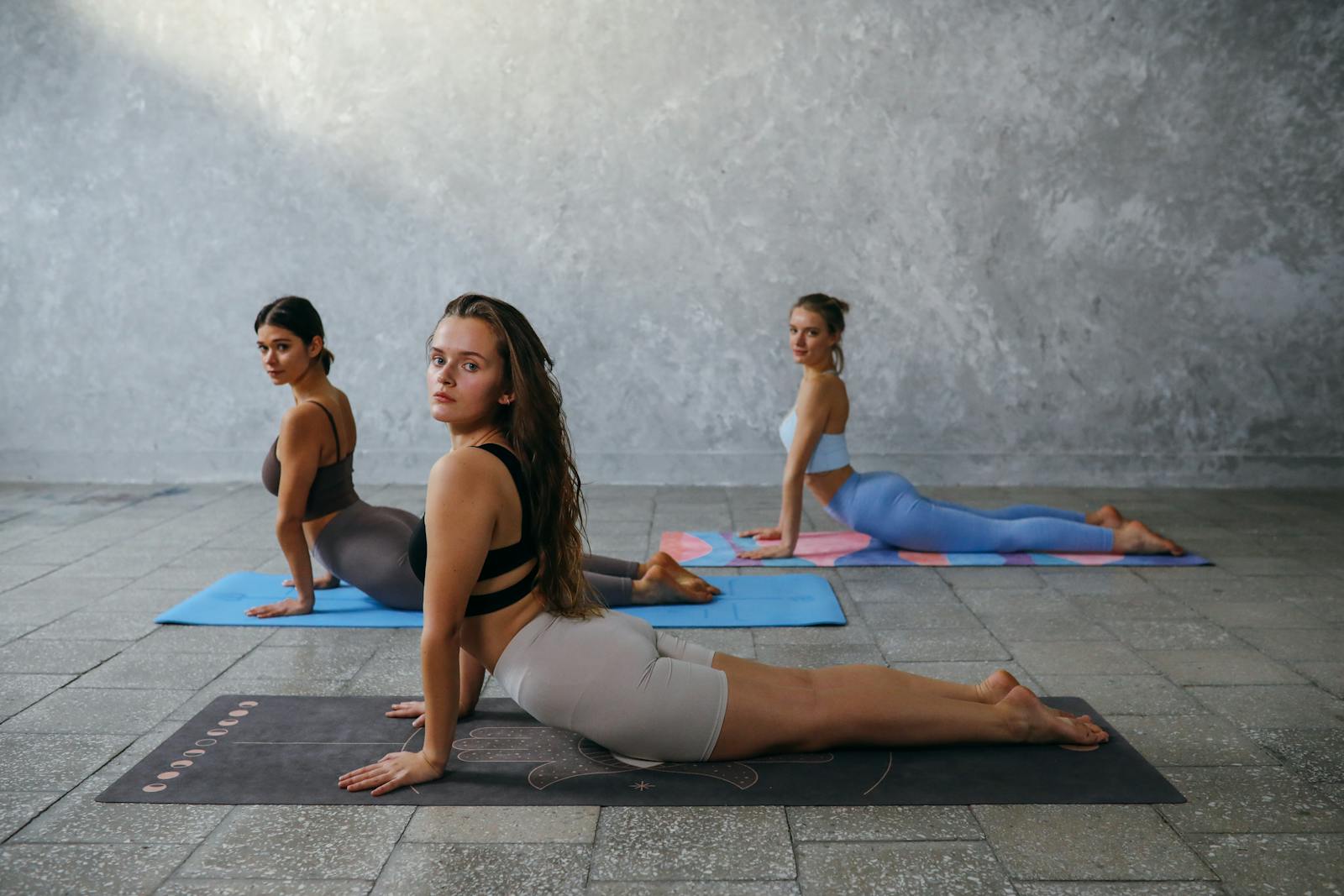
Studio teacher, one mat: Manduka PRO. Just is. Buy once, season it with salt scrub, own it for a decade.
Hot yoga teacher: Liforme Original + a Manduka eKO Lite as a backup for the days you forget to wipe it down.
Yin / restorative / hatha teacher: Jade Harmony. The 5mm is right, the grip is enough, the ethics are nice.
Power / ashtanga teacher: B Mat Strong. Wet grip + density without etched lines you don't need.
Travel teacher / workshop leader: eKO Lite as the everyday, PRO or Liforme at home.
Brand-new teacher who isn't sure yet: Gaiam Premium. Spend the difference on a 200-hour CE course.
For teachers who spend hours kneeling between adjustments, 5–6mm is the comfortable range. Thinner (3-4mm) is for travel and for students who want strong floor feedback. Thicker (8mm+) feels squishy and makes balance poses harder — skip it unless you have specific joint needs.
Natural rubber is more ethical and biodegradable, but it weighs more, smells stronger out of the box, and degrades faster. PVC mats (like the Manduka PRO) last longer with less daily care but won't ever compost. Pick by what matters more to you — neither is wrong.
For closed-cell mats (PRO, Liforme top layer): equal parts white vinegar and water in a spray bottle, wipe weekly. For open-cell mats (Jade, eKO): mild soap, no soaking, air-dry flat and out of direct sun. Salt scrub the new PRO before first use — it cuts the factory slick.
The factory finish. Every PRO needs a single salt-scrub treatment before it grips — sprinkle coarse sea salt across the mat, work it in with a damp cloth for 5 minutes, leave overnight, then rinse and dry. After that, it's grippy for years. This is on Manduka's site too, but they bury it.
Yes, more than we expected to admit. Even experienced teachers calibrate cleaner from the lines after a few weeks. For new teachers it's a free teaching tool. The lines do not collect dirt or fade with normal use.
In our circle the answer is Manduka PRO by a long margin, with Liforme as the second mat for heated classes and Jade Harmony for studios that lean ethical. There is no one answer — but if there's a default, the PRO is it.
We're working through props (blocks, straps, bolsters) and teacher essentials (timers, microphones, music players) next. Bookmark the Yoga Gear hub or grab the Sun Salutation printable while you're here.
If you've taught on any of these mats, we'd love to hear your honest take. The yoga teacher community holds receipts, and we're always sharpening this list.
Cover photography from Pexels (free commercial-use license). This review is based on first-hand teaching use across the FLOW team. Pricing is approximate and may shift on Amazon at any moment. We update this article quarterly — last full pass: May 2026.*
Two cult-favorite yoga mats, eight teaching scenarios, one verdict. Manduka PRO and Liforme Original tested side-by-side on grip, density, longevity, hot yoga, knee comfort, and price.
The professional kit working yoga teachers actually use — wireless headset mic, portable speaker, class timer, teaching bag, planner. Eight categories, real-class testing, no fluff.
Five travel yoga mats that actually survive a flight, fold into a carry-on, and still grip when you teach. Manduka eKO SuperLite, Liforme Travel, Jade Travel, YOGO, and B Mat Traveller — head-to-head.
Join thousands of yoga teachers using FLOW to create professional sequences in minutes. Start free today—no credit card required.
Also on iPhone, iPad & Android