
F
We test our recommendations
We have owned both mats for years and used them across hundreds of classes — heated vinyasa, hatha, restorative, and teacher trainings. No press samples, no sponsored placements.
Two cult-favorite yoga mats, eight teaching scenarios, one verdict. Manduka PRO and Liforme Original tested side-by-side on grip, density, longevity, hot yoga, knee comfort, and price.
We have owned both mats for years and used them across hundreds of classes — heated vinyasa, hatha, restorative, and teacher trainings. No press samples, no sponsored placements.
FLOW may earn from qualifying purchases. Every link uses our Amazon Associates tag (flowyoga0f-20). You do not pay more.
Hands at minute thirty of a heated class — does the mat hold?
Density under knees in long holds. 6mm vs 4.2mm matters.
Cost-per-year over the lifetime of the mat — buy once.
Material lifecycle from raw input to landfill or compost.
 1
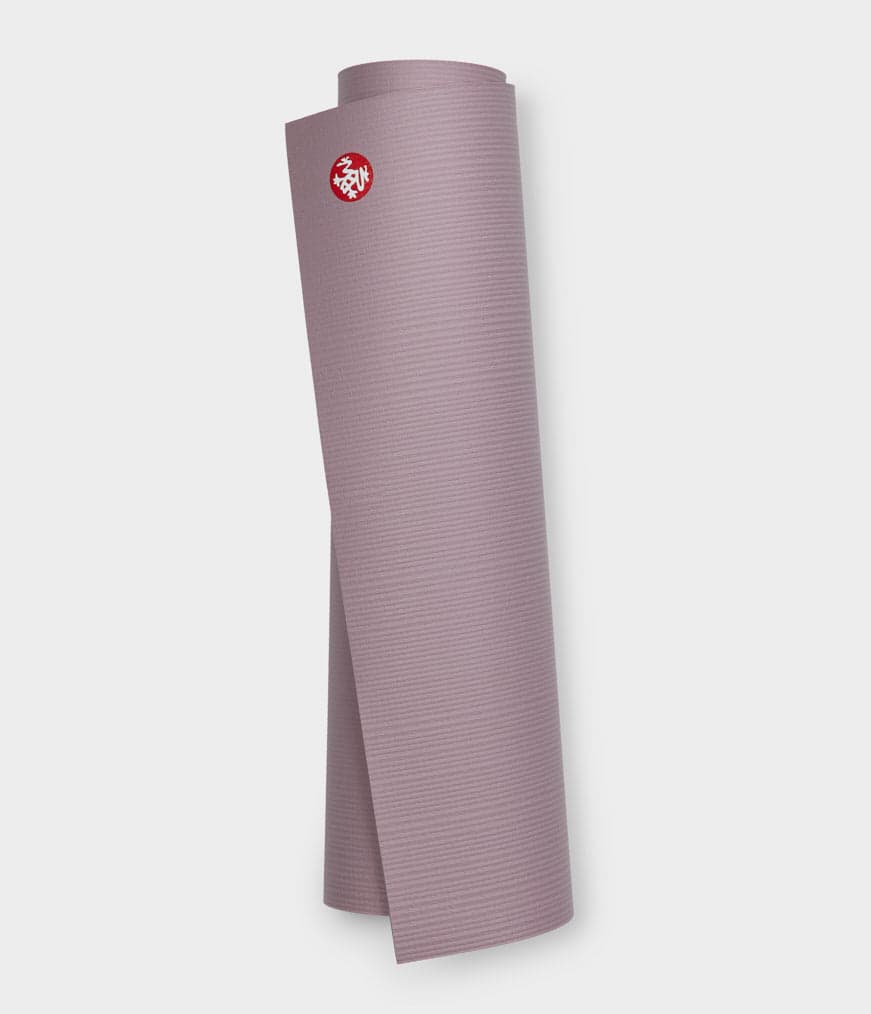
1Best for: Hatha, restorative, yin, knee-sensitive teachers, longevity-first buyers
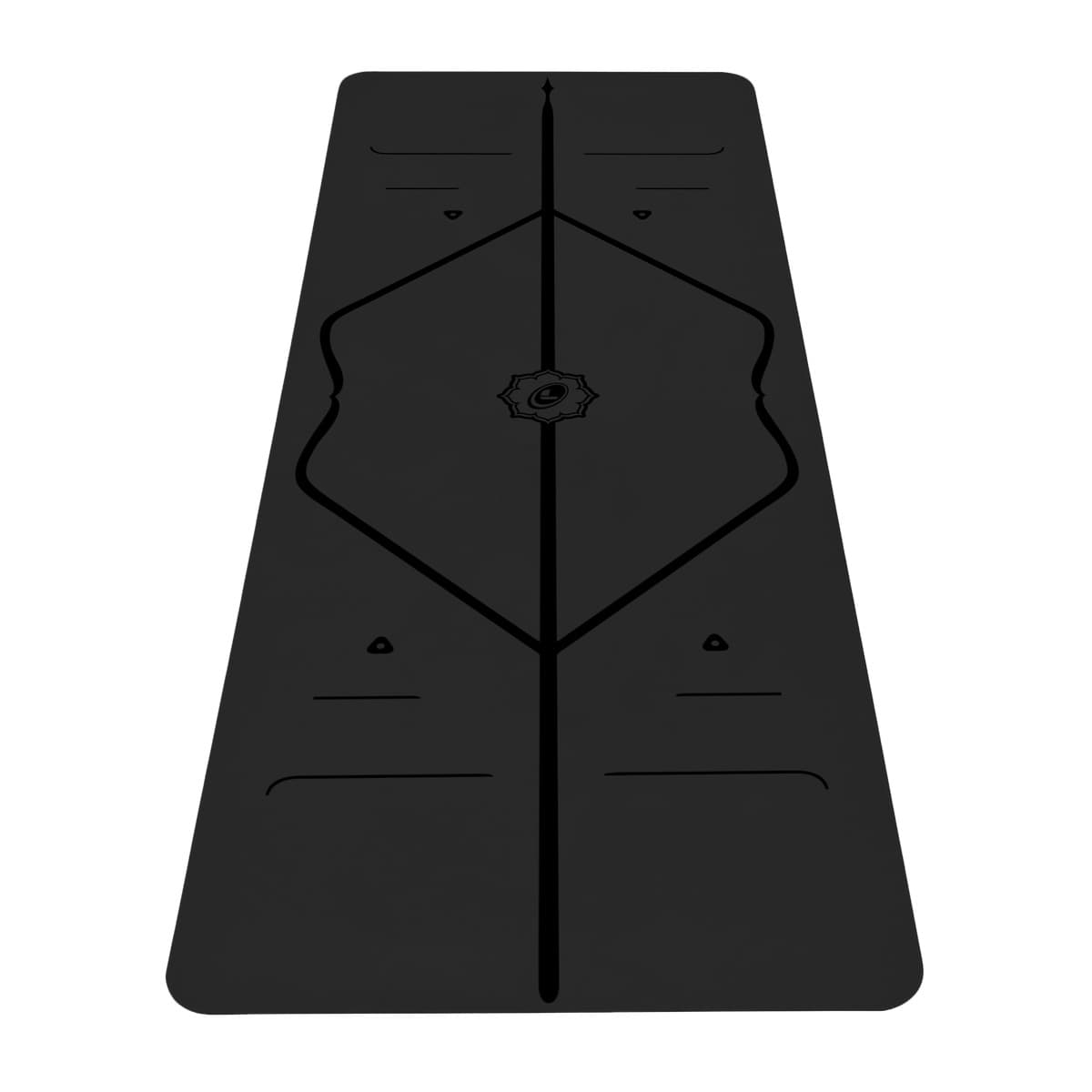
2Best for: Hot/heated vinyasa, sweaty-hands teachers, alignment workshops
Plan the class, not just the kit
FLOW's 420+ pose library and drag-and-drop sequence builder, free on iPhone, iPad and Android.
If you teach more than three different styles a week, own both. Liforme for the hot rooms, PRO for everything else. Two mats. Worth it.
For hot yoga teachers, yes. The grip-when-wet is a class of one — no other mat in the market hits the same hydrophilic spec. For dry-class teachers, the Manduka PRO is the smarter spend at $138 with a lifetime warranty.
Manduka PRO: 10+ years with normal care; the lifetime warranty is a real warranty — Manduka replaces mats. Liforme Original: 4-6 years before the top layer degrades. Heavier users see closer to 4.
Liforme is the dominant pick in the hot-yoga community. Some teachers also use a yogitoes towel on top of a PRO, but it is an inferior workaround compared to the Liforme built-in wet grip.
You can, and many teachers do. It is still a workaround — the towel bunches, slides, and adds laundry. If hot yoga is occasional, towel-on-PRO is fine. If it is your weekly bread and butter, the Liforme will pay for itself in saved frustration.
If you teach yoga as a profession, yes — easily. The hours-per-week on the mat make the cost-per-hour trivial within months. If you practice 2-3 times a week recreationally, a Gaiam Premium at $35 will serve you well for a year or two before you upgrade.
If you only buy one and you do not yet know what you will teach most, get the Manduka PRO — it is the safer first mat. You can add a Liforme later when your hands tell you they need wet grip.
As an Amazon Associate, FLOW may earn from qualifying purchases. Every link below uses our tracking tag — you don't pay a cent more, but it helps us keep writing reviews like this one.
Two mats keep coming up in every yoga teacher group chat: the Manduka PRO and the Liforme Original. Both cost over $130. Both have cult followings. They are not the same product, and people on the internet have very strong opinions about which one is "the right" answer.
Here's the truth: it depends on what you teach. We've owned both for years and used them across hundreds of classes. This is the head-to-head we wish we'd had before the first purchase.
Buy the Liforme if: your students sweat, you teach hot/heated/vinyasa, your hands slip on slick surfaces, or you want alignment guides built into the mat.
Buy the Manduka PRO if: you teach hatha/restorative/yin, your knees notice everything, you keep mats for a decade, or you want the densest, most durable yoga floor money buys.
Buy both if you teach more than three different styles a week. Use the Liforme for the hot rooms, the PRO for everything else. Yes, that's two mats. Yes, it's worth it.
| Spec | Manduka PRO | Liforme Original |
|---|---|---|
| Width | 26" | 27" |
| Thickness | 6mm | 4.2mm |
| Weight | 7.5 lb | 5.5 lb |
| Material | Closed-cell PVC | Natural rubber base + eco-PU top |
| Grip when dry | Excellent (after break-in) | Excellent |
| Grip when wet | Poor (needs a towel) | Excellent (gets grippier) |
| Alignment guides | None | Yes — etched lines |
| Lifetime | 10+ years | 4-6 years |
| Approx price | $138 | $150 |
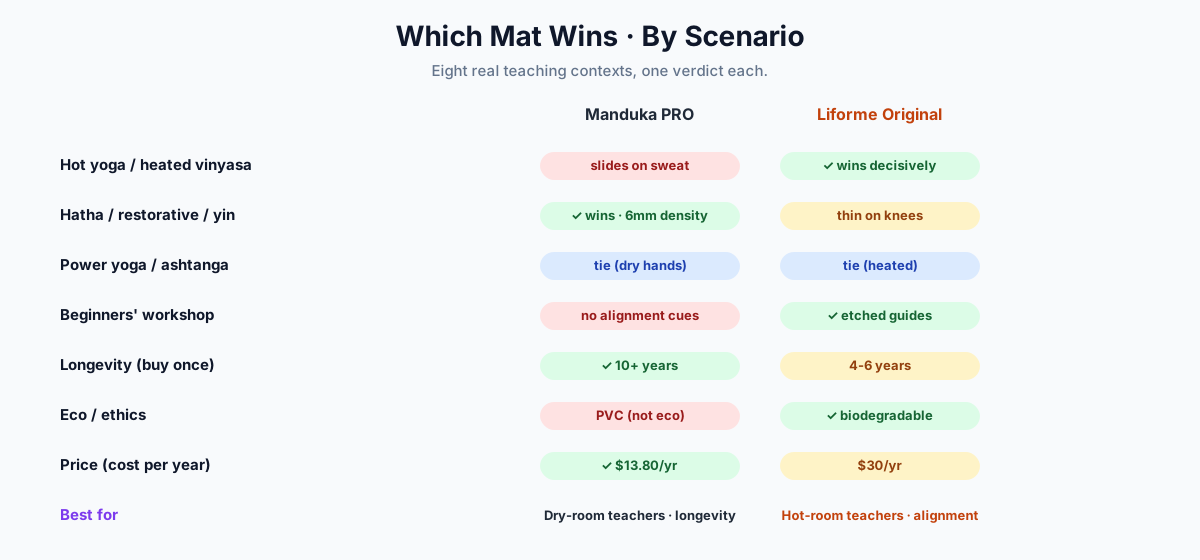
Liforme wins, decisively. This is the entire pitch of the Liforme. The eco-PU top layer is hydrophilic — it bonds to moisture and gets grippier the wetter you get. In a 95°F heated room at minute thirty, your hands in down dog will not slide. The PRO, by contrast, becomes a Slip 'N Slide the moment your palms break a sweat. You can fix it with a Manduka yogitoes towel on top, but that's a workaround, not a feature.
If even half your weekly classes are heated, this scenario alone decides the matchup.
Manduka PRO wins. Slower styles park you on the mat for long holds. The PRO's 6mm closed-cell density is the closest thing to a dense studio floor with a forgiveness setting. Bent knees, supported pigeon, fish pose — none of these light up your joints the way they will on the Liforme's 4.2mm.
The Liforme is workable here with a folded blanket under the kneeling poses, but you'll wish for the PRO every supported supta baddha konasana.
Tie, with caveats. Both work. If your students do bakasana transitions and float jumps, you want grip that holds during direction changes. Liforme's hydrophilic top means dry-grip is slightly weaker than the PRO's seasoned surface (because the PRO is designed for dry grip). But the Liforme handles the sweat that follows a hard class better.
Honest pick: if you teach pure Ashtanga primary series (no heat, dry hands), PRO. If your power vinyasa is heated, Liforme.
Liforme wins, easily. The etched alignment lines are a teaching tool, full stop. Three lines: midline, hip width, hand placement in down dog. Newer students stop drifting forward in down dog. Newer teachers stop second-guessing their cue.
The PRO has no markings. You can absolutely teach alignment without them. You just don't have to with the Liforme.
Neither. Both mats are heavy (7.5 and 5.5 lb), both are ~72" rolled. For travel buy the Manduka eKO Lite (4 lb, 4mm rubber) as your second mat. Same brand quality, very different weight class.
Manduka PRO wins. Closed-cell PVC is functionally indestructible with normal use. There are documented stories of Manduka PROs surviving 15+ years of daily teaching. The Liforme's natural rubber base and PU top layer are biodegradable — they wear faster, and the grip degrades over 4-6 years even with good care. Liforme offers a replacement program but it's not free.
If you compute cost-per-class over the mat's life, the PRO is cheaper. That's a real metric, not a marketing line.
Liforme wins. Natural rubber base, eco-PU top, biodegradable in ~5 years in landfill conditions (per Liforme). PVC is not biodegradable; Manduka offsets this somewhat with their lifetime warranty (one mat replaces many over your teaching career) and their PRO is OEKO-TEX certified for emissions, but it remains plastic.
If your studio's ethics positioning matters or you teach eco-conscious students, Liforme is the easier story to tell.
Manduka PRO wins on absolute price ($138 vs $150) and on cost-per-year (PRO at 10 years = $13.80/year; Liforme at 5 years = $30/year). But $12 isn't a deciding factor for a mat you'll teach hundreds of hours on. Pick by feature, not price.
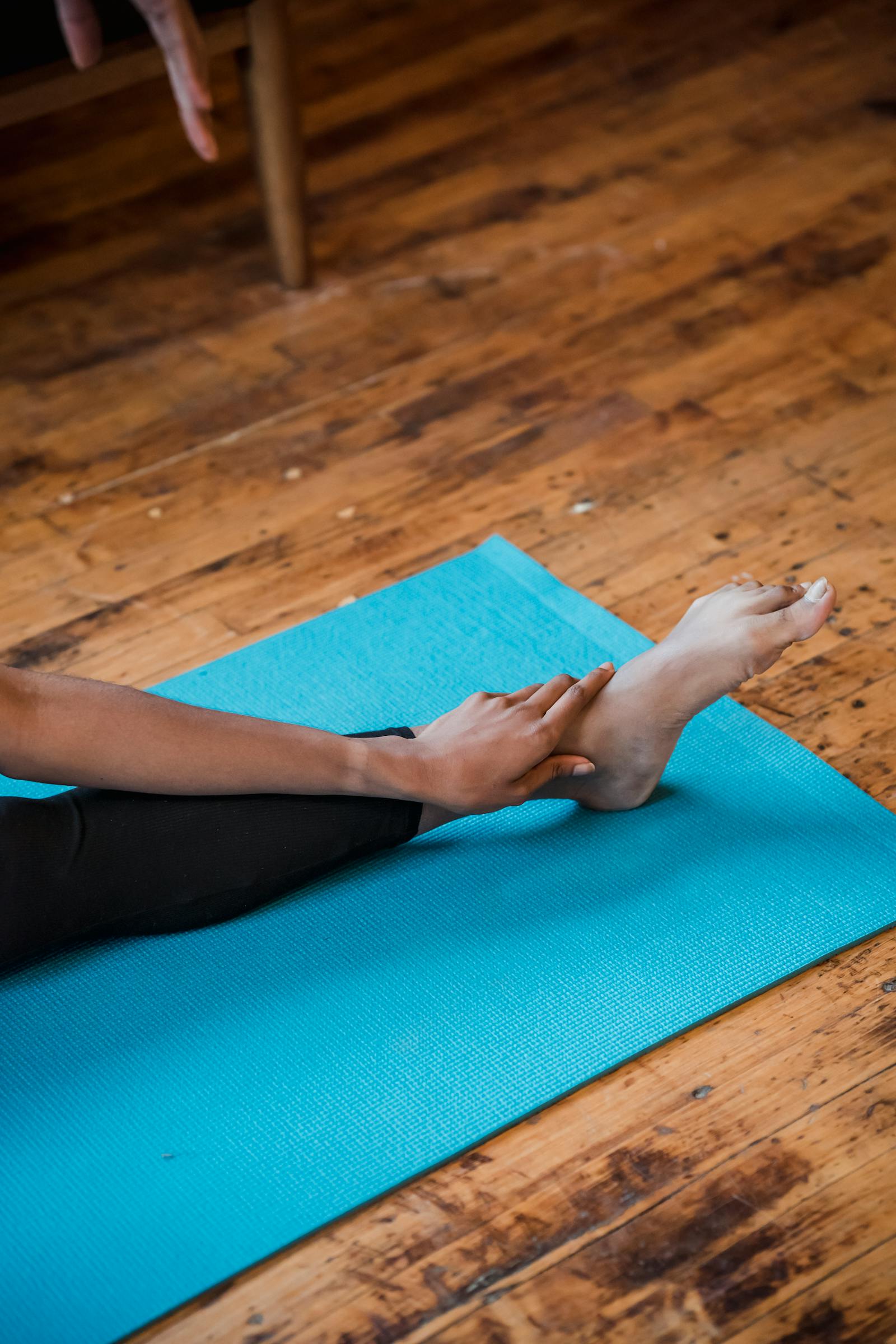
Worth mentioning. The PROlite is the same construction as the PRO at half the weight (4 lb) and slightly thinner (4.7mm). It's the answer to "I love the PRO but it's too heavy to carry." If you take a mat to-and-from a studio daily, PROlite is the better PRO for you. It does not solve the wet-grip problem.
Liforme makes a few patterns — the Original, the Travel, the Evolve. The pattern is the difference; construction is the same. Get whichever color speaks to you. We do not recommend the Travel for daily teaching — too thin (2mm).
PRO — equal parts white vinegar and water in a spray bottle, wipe weekly, air-dry flat. The salt-scrub break-in (sea salt + damp cloth, leave overnight) is mandatory for the first month or the mat stays slick.
Liforme — they sell a specific cleaner; alternatively a damp cloth + mild soap works. Never use vinegar on the Liforme — the eco-PU top doesn't like acid. Air-dry flat. Don't use bleach or alcohol on either.
If you can only buy one and you don't yet know what you'll teach most: Manduka PRO. It's the safer first mat. You can always add a Liforme later when you start teaching heated classes and your hands tell you what they need.
If you already know you teach hot yoga: Liforme first. You'll figure out the second mat from there.
If you have both: rotate them. Different styles, different days. Both will last longer.
For hot yoga teachers, yes. The grip-when-wet is a class of one — no other mat in the market hits the same hydrophilic spec. For dry-class teachers, the PRO is a smarter spend.
Manduka PRO: 10+ years with normal care. The lifetime warranty is a real warranty — they replace mats. Liforme Original: 4-6 years before the top layer degrades. Heavier users see closer to 4.
Liforme is the dominant pick in the hot-yoga community. Some teachers also use a Yogitoes towel on top of a PRO, but it's an inferior workaround compared to the Liforme's built-in wet-grip.
You can, and many teachers do. It's still a workaround — the towel bunches, slides, and adds laundry. If hot yoga is occasional, towel-on-PRO is fine. If it's your weekly bread and butter, the Liforme will pay for itself in saved frustration.
Liforme Original is the clearest answer. The B Mat Strong is also excellent for dry-room sweaty-handed teachers and runs $35-40 cheaper.
If you teach yoga as a profession, yes — easily. The hours-per-week on the mat make the cost-per-hour trivial within months. If you practice 2-3 times a week recreationally, a Gaiam Premium at $35 will serve you well for a year or two before you upgrade.
See the full Best Yoga Mats for Teachers in 2026 roundup for four more mats in this price range, or browse the Yoga Gear hub for props, meditation cushions, and teacher essentials.
If you teach and want to share your own PRO-vs-Liforme experience, we keep this article fresh based on what we hear back. Last refresh: May 2026.
Cover photography from Pexels (free commercial-use license). Reviews based on first-hand teaching use across the FLOW team. Pricing approximate and may shift on Amazon.*
Six yoga mats put through real classes — Manduka PRO, Liforme, Jade Harmony, B Mat Strong, Gaiam Premium, and the Manduka eKO Lite. Honest grip / density / longevity notes for teachers who spend hours on the mat.
Which yoga brands are actually worth the money in 2026 — mats, clothing and props — and which reputations are running on a decade-old product. Checked August 2026.
The professional kit working yoga teachers actually use — wireless headset mic, portable speaker, class timer, teaching bag, planner. Eight categories, real-class testing, no fluff.
Join thousands of yoga teachers using FLOW to create professional sequences in minutes. Start free today—no credit card required.
Also on iPhone, iPad & Android