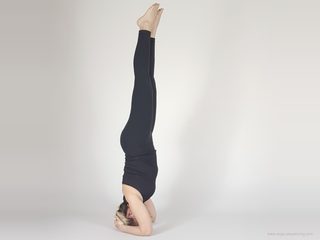
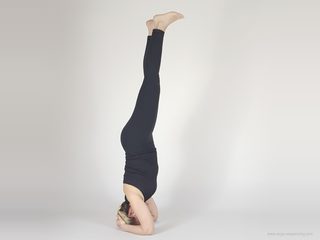
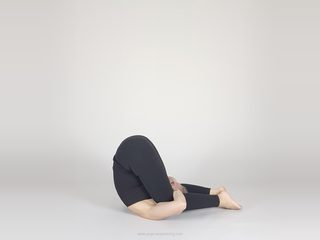
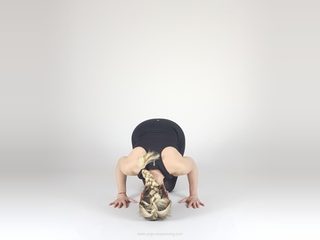
Headstand L-Shape
Sirsasana L
Working: Shoulders, Hip flexors, Abdominals, Back muscles
Stretching: Hamstrings
Full muscle breakdown ↓About This Pose
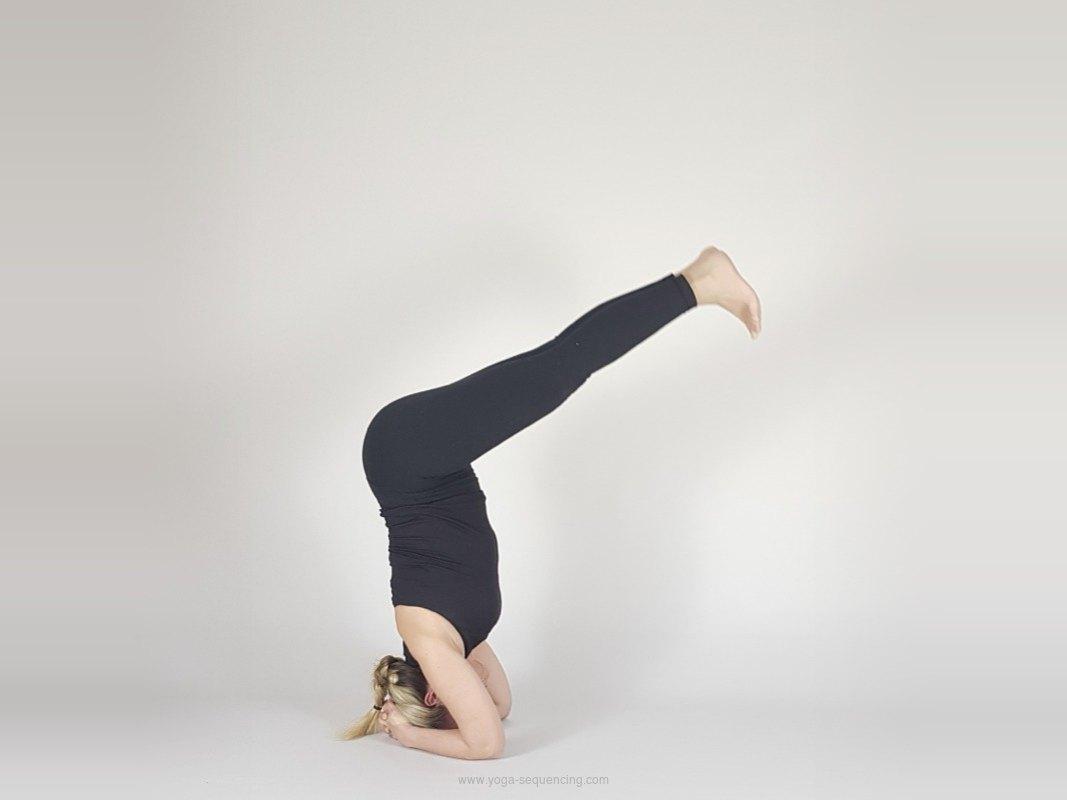
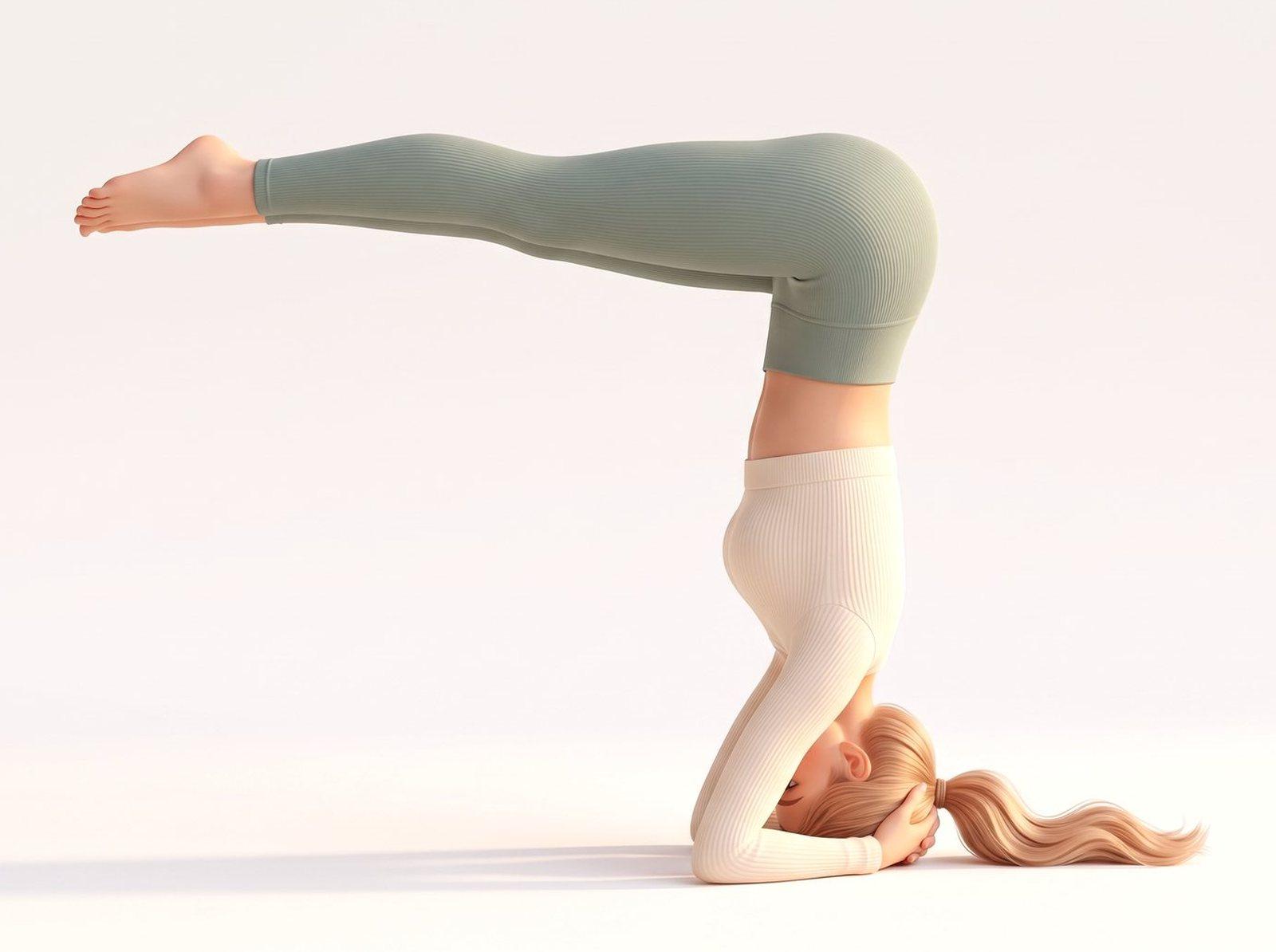
Headstand L-Shape creates a 90-degree angle with the body, often practiced at a wall with feet at hip height. This variation provides an accessible way to build inversion strength and comfort without the full balance challenge of legs overhead. It's excellent for building the shoulder and core strength needed for full headstand.
Muscles Worked in Headstand L-Shape
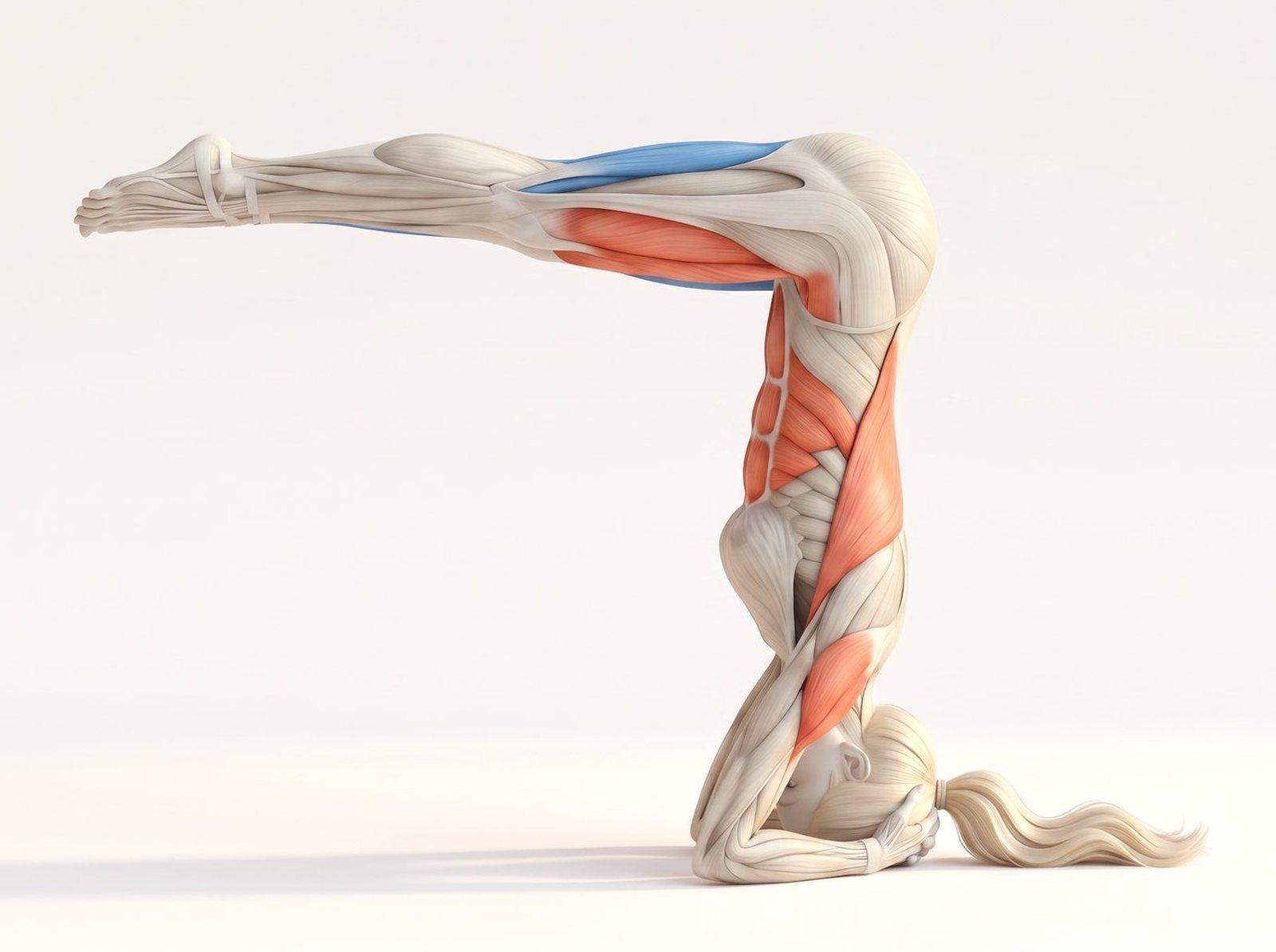
Headstand L-Shape works the shoulders that carry your weight, the hip flexors and abdominals that hold the legs level in front of you and the back muscles that keep the hips stacked over the shoulders, while it stretches the hamstrings of the straight legs.
Working
- Shoulders (deltoids)
- Hip flexors (iliopsoas, rectus femoris)
- Abdominals (rectus abdominis)
- Back muscles (erector spinae)
Stretching
- Hamstrings (biceps femoris, semitendinosus, semimembranosus)
Also holding you steady: your rotator cuff, upper back, which lifts the shoulders away from the neck and inner thighs.
Variations and joint actions
- Feet on a wall: The wall holds the legs, so the hip flexors and abdominals work far less.
- Knees bent (tuck): Shorter levers: an easier balance, with almost no hamstring stretch.
- Shoulders flexion, carrying the body weight
- Spine neutral, vertical
- Hips flexion, about 90°
- Knees extension
- Neck neutral, lightly loaded
Roles are qualitative — this section does not measure how hard any muscle works. References: Leslie Kaminoff & Amy Matthews, Yoga Anatomy (Human Kinetics); Ray Long, The Key Muscles of Yoga (Bandha Yoga).
Step-by-Step Instructions
- 1
Set up headstand foundation
- 2
Lift hips over shoulders
- 3
Bend legs to ninety degrees
- 4
Hold legs parallel to floor
- 5
Engage core strongly
- 6
Breathe steadily
Alignment Cues
- Stabilize core throughout
- Keep legs at true ninety degrees
- Press forearms down firmly
- Breathe steadily
Benefits
- Accessible inversion practice
- Builds shoulder strength
- Controlled position
- Develops confidence
- Wall-supported option
- Prepares for full headstand
Modifications
- Use wall support
- Bend knees more
Variations
- One leg extended
- Both legs straight
Cautions & Contraindications
Cautions
- Avoid collapsing shoulders
- Move slowly and controlled
Avoid this pose if you have:
- Neck injury
- Shoulder pain
Quick Facts
Primary Focus
coreSecondary Focus
Suggested Hold
30 seconds
Tags
Equipment