Warrior III
Virabhadrasana III
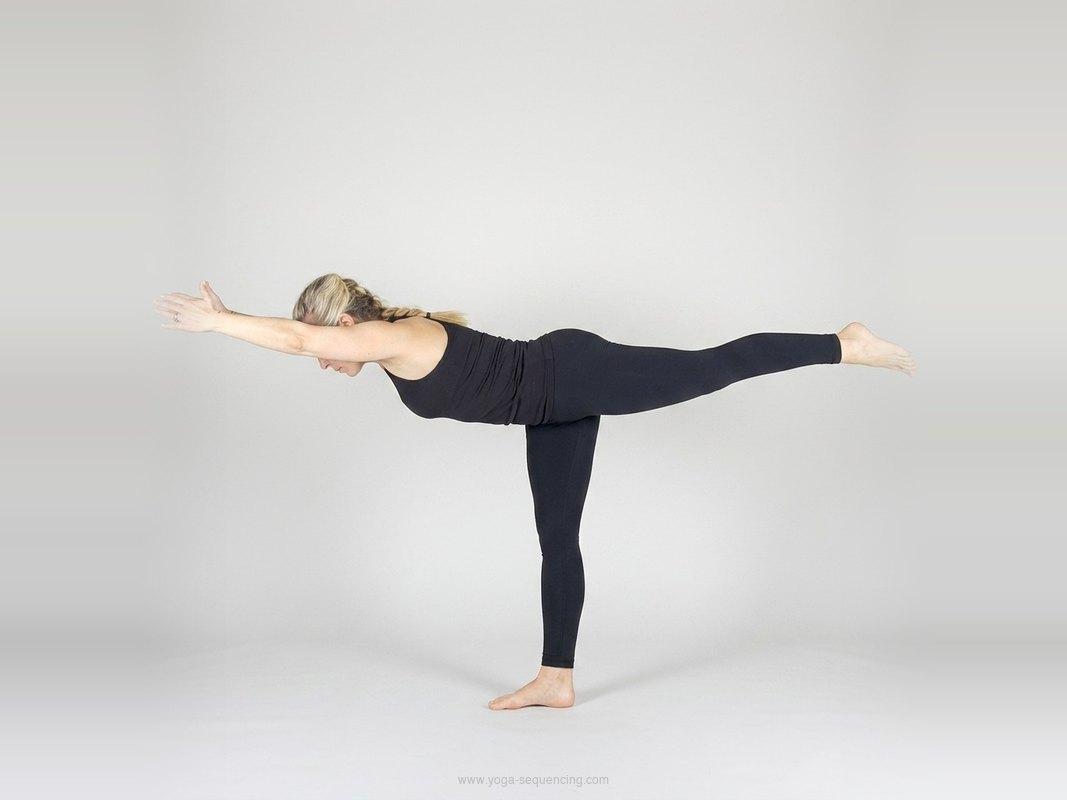
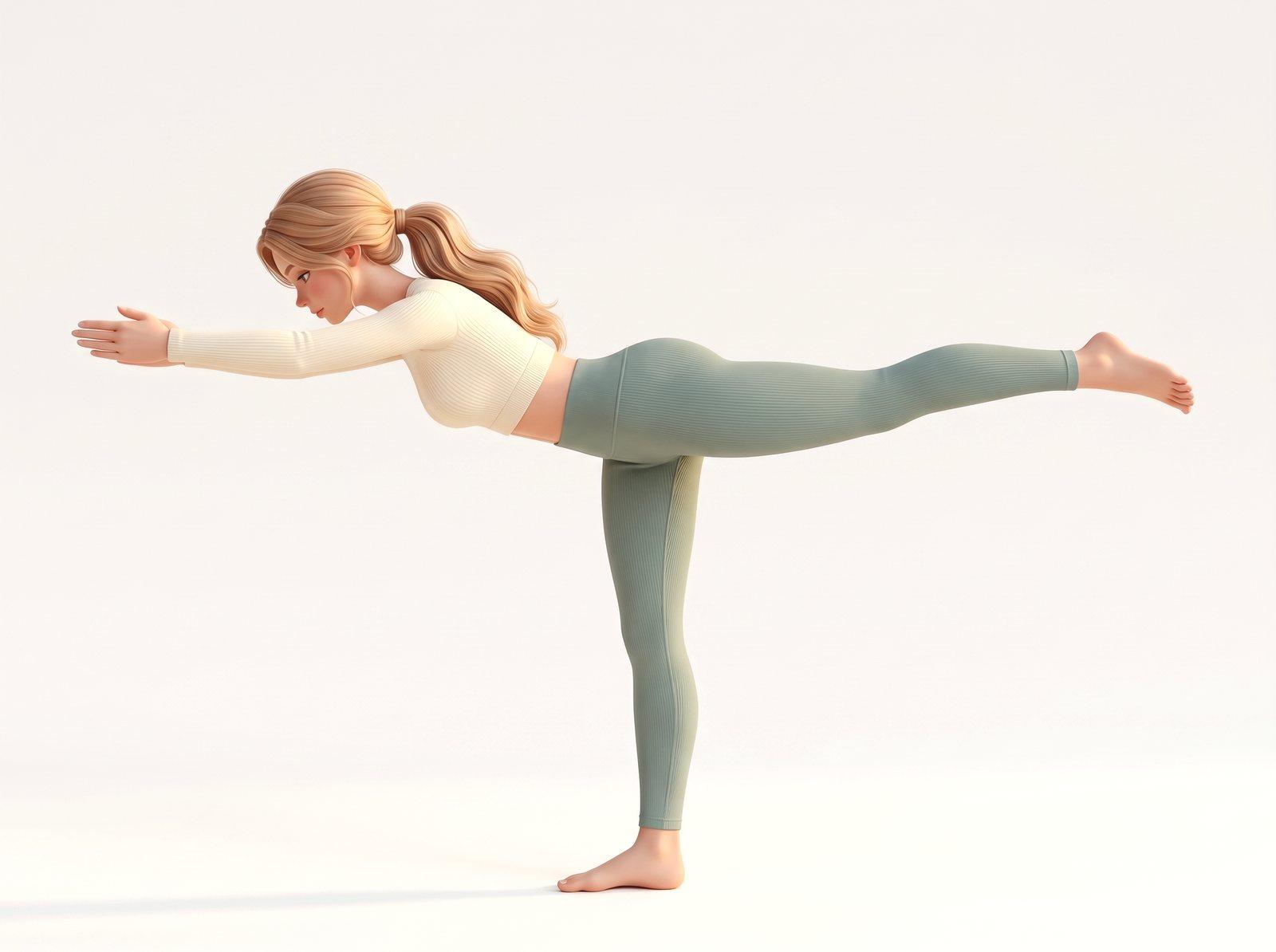
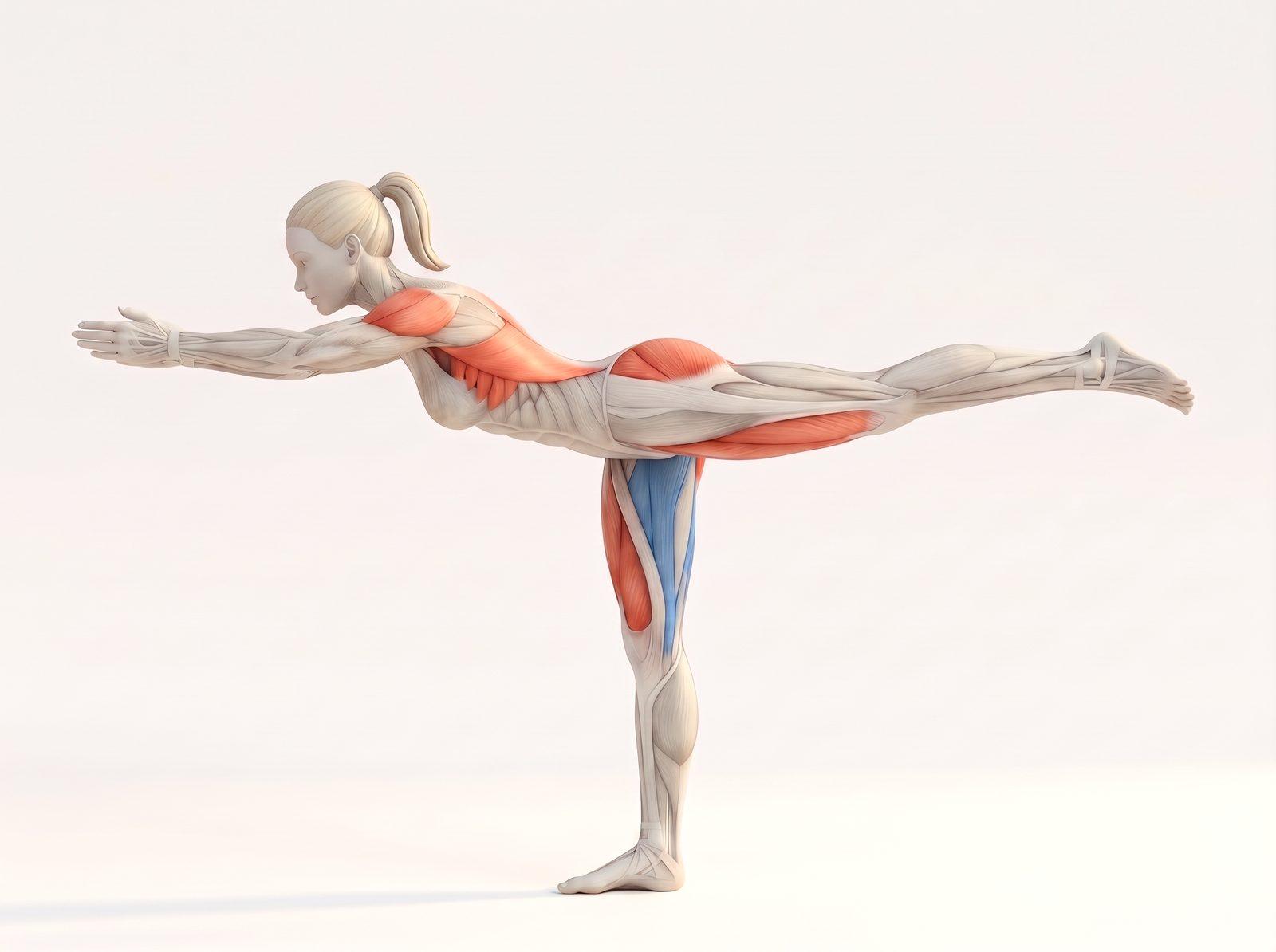
Working: Glutes, Quadriceps (both legs), Back muscles, Shoulders, Serratus anterior
Stretching: Standing-leg hamstrings
Full muscle breakdown ↓About This Pose
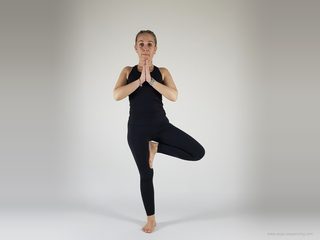
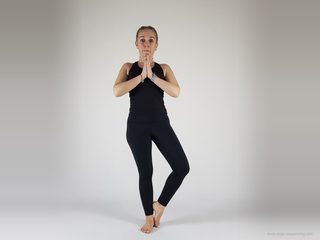
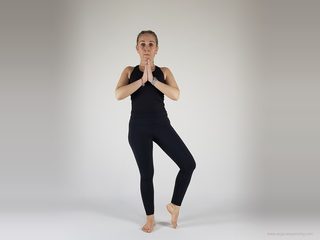
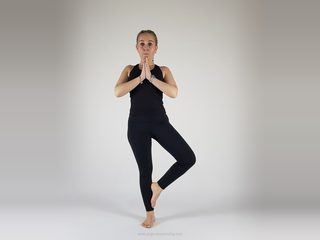
Warrior III (Virabhadrasana III) is a demanding standing balance that forges strength, concentration, and full-body integration. Balancing on one straight standing leg, the torso and the opposite leg extend in opposite directions until they form one long horizontal line parallel to the floor. The arms can reach forward, back alongside the body, or out to the sides. Warrior III strengthens the standing leg, glutes, back, and core while sharpening focus and proprioception. It is a natural progression from Warrior I and a common peak balance in intermediate flows.
Muscles Worked in Warrior III
Warrior III strengthens the glutes and quadriceps of both legs, the back muscles that hold the torso level and the shoulders that reach the arms forward. The standing-leg hamstrings lengthen while they work to hold the hip hinge.
Working
- Glutes (gluteus maximus, gluteus medius)
- Quadriceps (both legs) (quadriceps femoris)
- Back muscles (erector spinae)
- Shoulders (deltoids)
- Serratus anterior
Stretching
- Standing-leg hamstrings (biceps femoris, semitendinosus, semimembranosus)
Also holding you steady: your core, the muscles of your feet and ankles and lifted-leg hamstrings.
Variations and joint actions
- Hands at heart or on hips: Less shoulder work and an easier balance.
- Hands on blocks: Support for balance while learning the shape.
- Standing hip flexion, about 90°
- Lifted hip neutral extension
- Knees extension
- Spine neutral
- Shoulders flexion, arms forward
Roles are qualitative — this section does not measure how hard any muscle works. References: Leslie Kaminoff & Amy Matthews, Yoga Anatomy (Human Kinetics); Ray Long, The Key Muscles of Yoga (Bandha Yoga).
Step-by-Step Instructions
- 1
Begin standing at the top of the mat
- 2
Shift weight into the right foot
- 3
Root through all four corners of the standing foot
- 4
Hinge forward from the hips
- 5
Extend the left leg straight back
- 6
Reach the torso forward as the leg lifts
- 7
Bring body and leg parallel to the floor
- 8
Flex the lifted foot and point the toes down
- 9
Reach the arms forward or alongside the body
- 10
Hold for 5 breaths, then switch sides
Alignment Cues
- Standing knee softly bent, not hyperextended
- Hips squared and level to the floor
- Lifted leg in line with the torso
- Core engaged, back long and flat
- Gaze down and slightly forward for balance
Benefits
- Strengthens the standing leg and ankle
- Tones the core and back body
- Builds glute and hamstring strength
- Improves balance and concentration
- Develops posture and coordination
- Energizes the whole body
Modifications
- Hands on hips to reduce load
- Fingertips on blocks for support
- Keep the lifted leg lower if hamstrings are tight
Variations
- Airplane arms out to the sides
- Enter from Warrior I
- Transition to Standing Splits
Cautions & Contraindications
Cautions
- Keep the standing knee soft, not locked
- Keep hips level, avoid opening the lifted hip
- Engage the core to protect the low back
Avoid this pose if you have:
- Low back injury
- Ankle or knee instability
- Low blood pressure or dizziness
Quick Facts
Primary Focus
legsSecondary Focus
Suggested Hold
30 seconds
Tags
Equipment