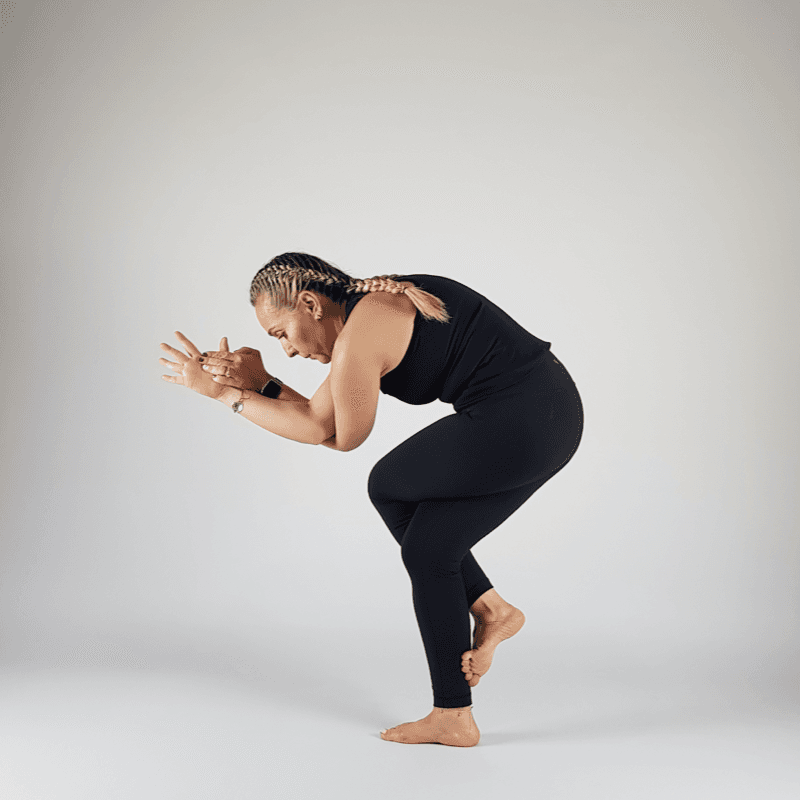
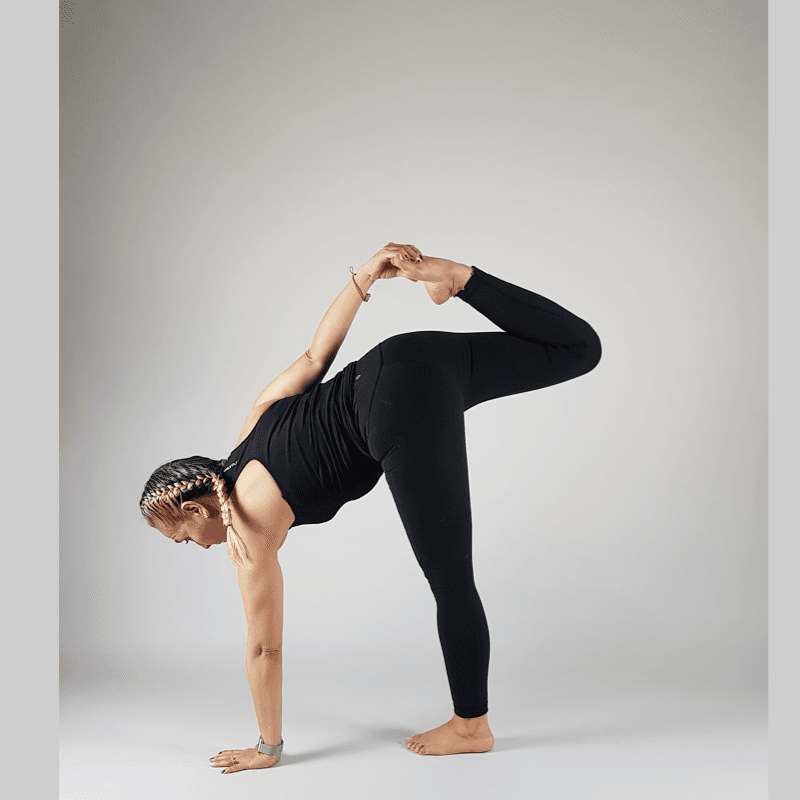
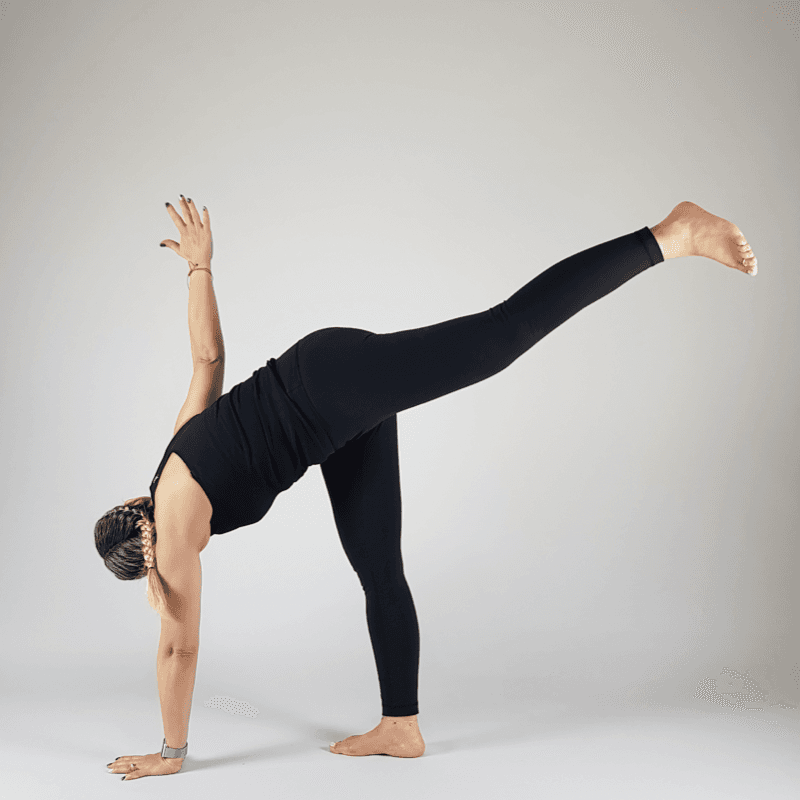
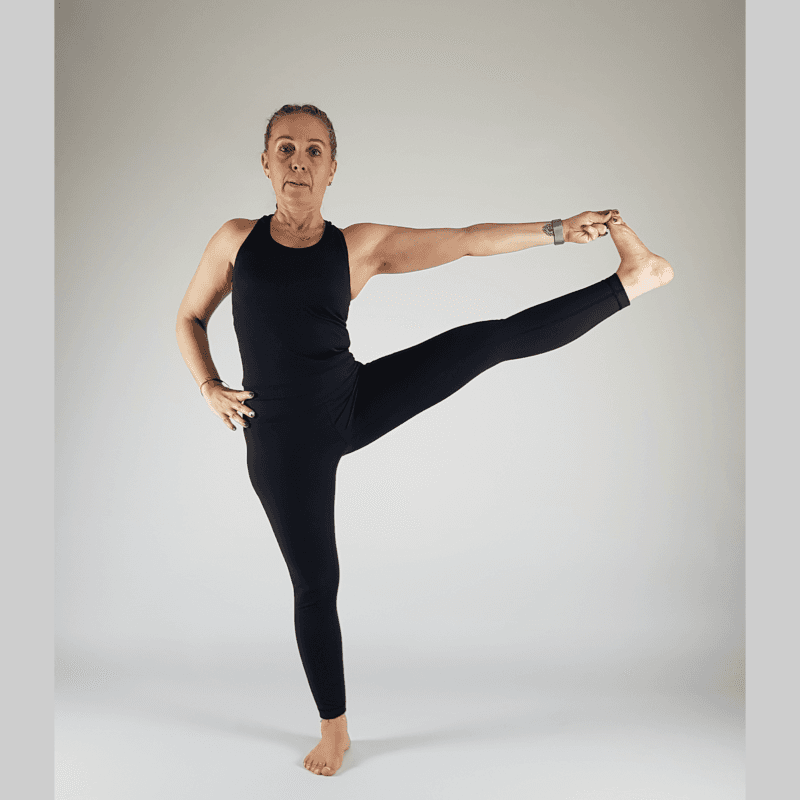
Eagle Pose
Garudasana
About This Pose
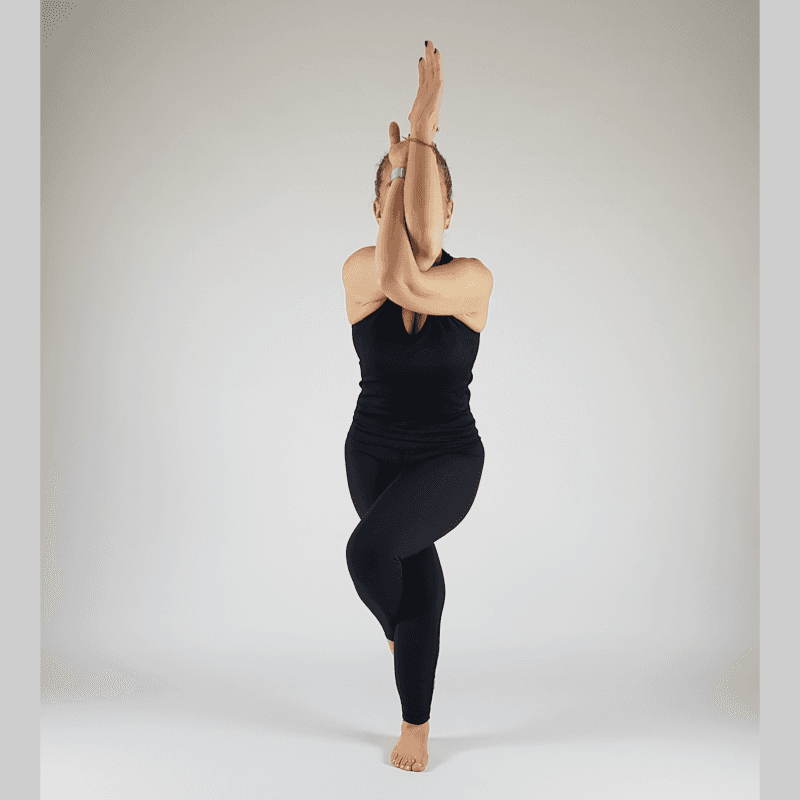
Eagle Pose (Garudasana) is a standing balancing posture named after Garuda, the mythical "king of birds" who serves as the vehicle of Lord Vishnu in Hindu mythology. This unique pose involves wrapping both the arms and legs, creating a compressed yet expansive shape that simultaneously challenges balance while opening the shoulders, upper back, and outer hips. The pose builds tremendous focus and concentration—if the mind wanders, balance is quickly lost. The wrapping action provides therapeutic benefits for those with upper body tension, including relief from symptoms of carpal tunnel syndrome, frozen shoulder, and cervical spondylosis. The integration of all body parts working together leaves practitioners feeling both physically strong and mentally/emotionally steady. Eagle Pose is often included in standing balance sequences and can be practiced dynamically in vinyasa flows.
Step-by-Step Instructions
- 1
Begin in Mountain Pose (Tadasana) with feet together, arms at sides
- 2
Shift your weight onto your left foot, grounding firmly through all four corners
- 3
Bend both knees slightly as if sitting back into a chair
- 4
Cross your right thigh over your left thigh, squeezing thighs together
- 5
Hook your right foot behind your left calf if possible, or rest toes on the floor
- 6
Extend arms forward at shoulder height, then cross the left arm over the right at the elbows
- 7
Bend the elbows and wrap the forearms, bringing palms together (or backs of hands)
- 8
Lift the elbows to shoulder height while drawing shoulders down away from ears
- 9
Sink deeper into the standing leg while keeping spine tall
- 10
Hold for 5-8 breaths, then unwind slowly and repeat on the second side
Alignment Cues
- Keep the standing knee tracking directly over the ankle, not collapsing inward
- Squeeze thighs and arms together tightly—this enhances stability
- Lift the elbows to shoulder height while keeping shoulders drawn down
- Keep the spine vertical; avoid leaning forward or to the side
- Gaze at a fixed point (drishti) to maintain balance
- Press the palms firmly together to deepen the shoulder stretch
- Engage the core to support the spine and improve balance
Benefits
- Improves balance, focus, and body awareness profoundly
- Stretches the shoulders, upper back, and outer hips deeply
- Strengthens the thighs, calves, ankles, and core muscles
- May relieve symptoms of carpal tunnel syndrome and upper body tension
- Helps release stiffness in the neck and shoulders, benefiting those with cervical issues
- Builds mental focus and concentration—the mind must stay present
- Strengthens the standing leg and improves ankle stability
- Creates space between the shoulder blades, improving posture
- Relieves stress and tension through the demanding focus required
Modifications
- Keep the top foot's toes resting on the floor for balance instead of hooking
- Place hands on opposite shoulders if full arm wrap isn't accessible
- Use a yoga strap between hands if arms won't fully wrap
- Practice near a wall or with hand on chair back for balance support
- Seated Eagle: Practice the arm and leg wraps while sitting in a chair
Variations
- Eagle Pose Forward Fold: Fold forward at the hips while maintaining the wraps
- Flying Eagle: Extend the wrapped arms forward while hinging at hips
- Eagle Pose with backbend: Lift chest and gently arch upper back
- Dynamic Eagle: Flow between standing and folding with breath
- Reclined Eagle (Supta Garudasana): Practice the wraps lying on your back
Cautions & Contraindications
Cautions
- Squeeze arms and thighs together to maximize stability and balance
- Keep the standing knee soft—avoid locking or hyperextending
- If balance is challenging, keep the toes of the wrapped foot on the floor
- Avoid forcing the arm wrap if shoulders are very tight
- Exit the pose slowly and with control to prevent falls
Avoid this pose if you have:
- Acute or chronic knee injuries—the wrapping can stress the joint
- Ankle injuries or instability in the standing leg
- Recent shoulder surgery or acute shoulder injury
- Pregnancy (balance challenges and abdominal compression)
- Menstruation (abdominal pressure may cause discomfort)
- Uncontrolled high blood pressure (pose can temporarily elevate BP)
- Severe arthritis in knees, shoulders, or wrists
Quick Facts
Primary Focus
shouldersSecondary Focus
Suggested Hold
30 seconds
Tags
Equipment