Bird Dog Pose (Balancing Table)
Dandayamana Bharmanasana
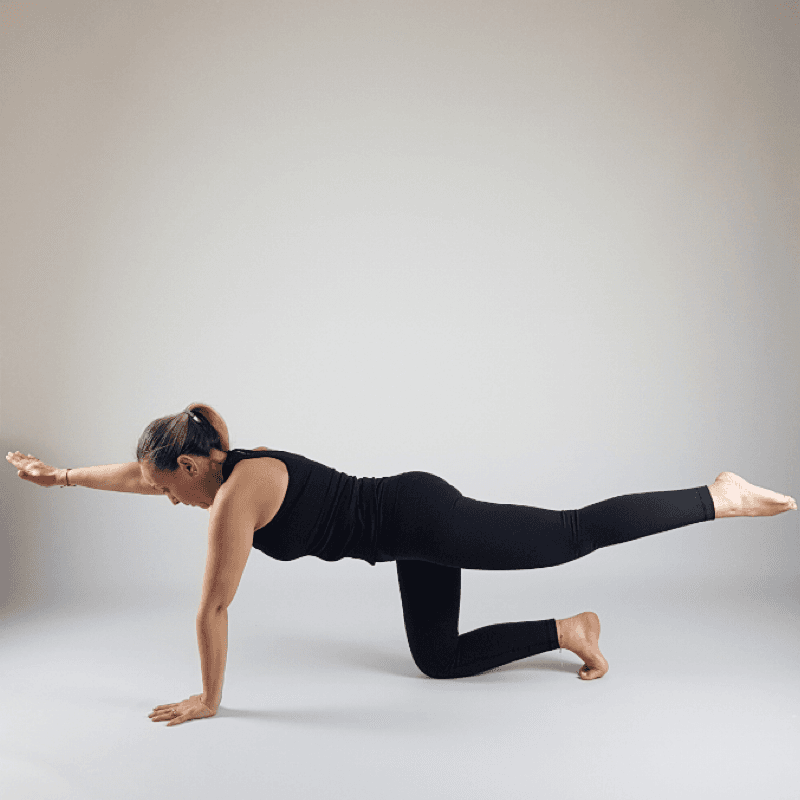
About This Pose
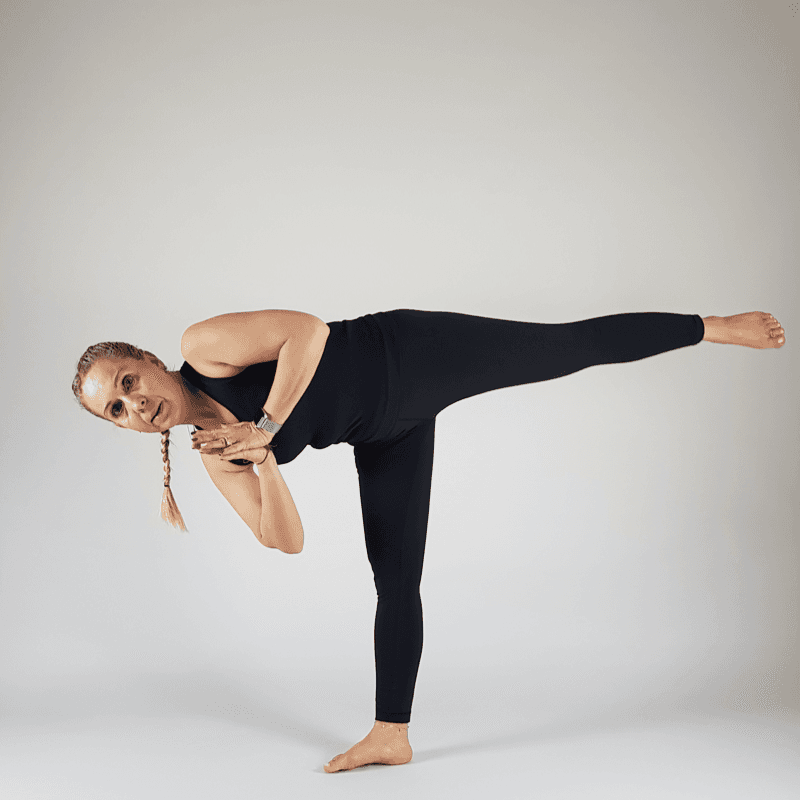
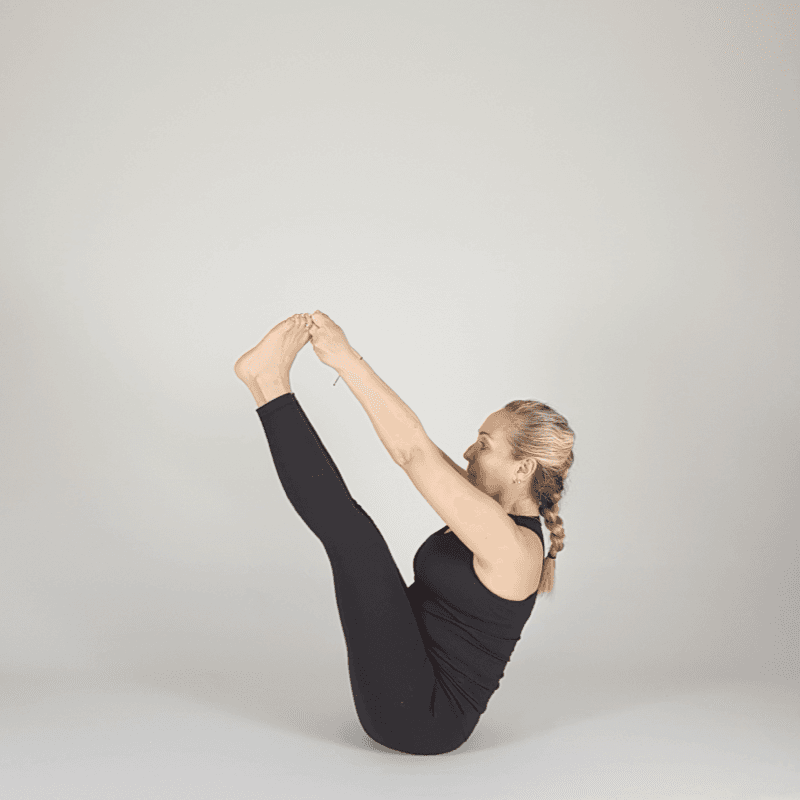
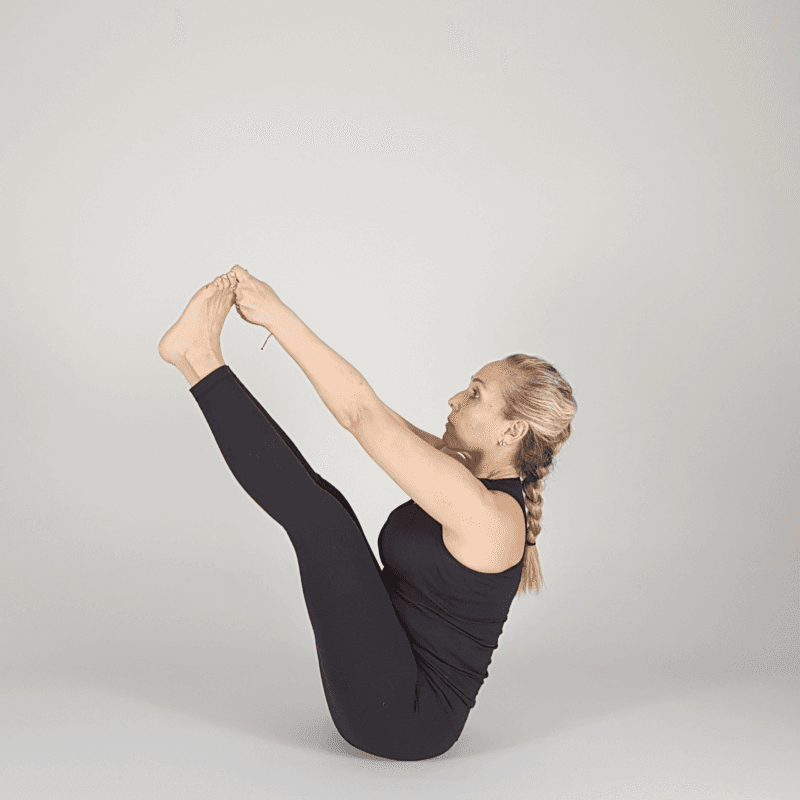
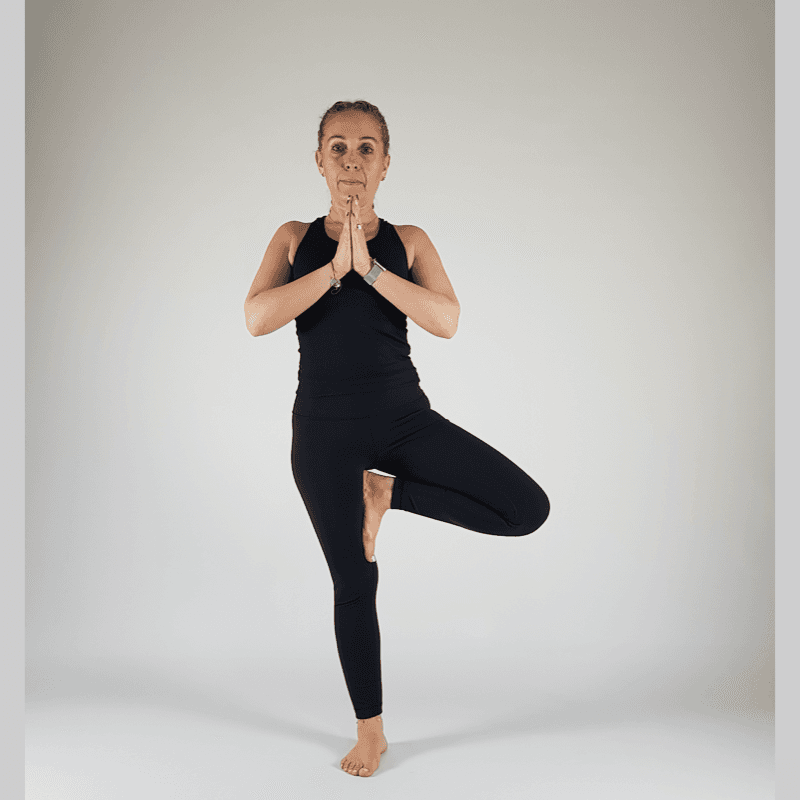
Bird Dog Pose (Dandayamana Bharmanasana), also known as Balancing Table Pose, is a fundamental core-strengthening exercise that originated in modern postural yoga. The Sanskrit name derives from "Dandayamana" meaning "balancing" and "Bharmanasana" meaning "table pose." This accessible yet powerful posture builds core stability, strengthens the back extensors and glutes, and trains the neuromuscular system for better coordination and balance. The pose requires three things simultaneously: strength, focus, and determination—making it excellent for countering the chaos of daily life. It serves as an excellent preparatory pose for more advanced arm balances and inversions, while also being therapeutic for those with lower back issues when practiced with proper alignment. The simultaneous extension of opposite limbs challenges the body's proprioceptive system and develops functional strength that translates to everyday movements.
Step-by-Step Instructions
- 1
Begin in Tabletop position with wrists directly under shoulders and knees under hips
- 2
Spread fingers wide and press firmly through the entire palm to protect wrists
- 3
Engage your core by drawing the navel toward the spine without rounding the back
- 4
Inhale and slowly extend your right leg straight back, keeping it at hip height with toes pointed down
- 5
Simultaneously extend your left arm forward at shoulder height, thumb pointing up
- 6
Create one long line of energy from your extended heel to your fingertips
- 7
Keep hips and shoulders squared to the floor—avoid rotating open
- 8
Hold for 5-8 breaths, maintaining steady engagement
- 9
Exhale and slowly return to Tabletop with control
- 10
Repeat on the opposite side, extending left leg and right arm
Alignment Cues
- Maintain a neutral spine—imagine balancing a cup of water on your lower back
- Keep hips squared to the floor; avoid letting the lifted hip rotate open
- Engage the core to prevent the belly from dropping toward the floor
- Flex the extended foot and reach through the heel as if making a footprint on the wall behind you
- Reach forward through the fingertips while keeping the shoulder blade drawn down the back
- Keep the neck long and in line with the spine—gaze slightly forward and down
- Distribute weight evenly between the supporting hand and knee
Benefits
- Builds core stability and strengthens the deep abdominal muscles including transverse abdominis
- Strengthens the erector spinae, glutes, and posterior chain muscles
- Improves balance, coordination, and proprioception
- Supports spinal health and helps relieve lower back pain when practiced correctly
- Tones and strengthens the wrists, shoulders, and knees
- Promotes better posture by strengthening postural muscles
- Elongates the spine and can help correct postural defects
- Relieves stress and tension while improving mental focus
- Can help treat insomnia and sleeping disorders through nervous system regulation
Modifications
- Practice with just the leg extension first, then add the arm once stable
- Keep the extended foot lightly touching the floor for added stability
- Place a folded blanket under the supporting knee for comfort
- Use yoga blocks under the hands to reduce wrist strain
- Practice near a wall to use for balance if needed
- For wrist issues, come onto forearms instead of hands
Variations
- Dynamic Bird Dog: Flow between sides with breath, moving through Tabletop
- Bird Dog with leg pulses: Small lifts of the extended leg to increase glute activation
- Bird Dog crunches: Draw elbow and knee together on exhale, extend on inhale
- Extended hold: Build endurance by holding each side for 10-15 breaths
- Bird Dog with resistance band around feet for added challenge
Cautions & Contraindications
Cautions
- Keep core engaged throughout to prevent lower back sagging
- Move slowly and with control—avoid jerky or rushed movements
- Maintain neutral spine alignment; avoid overarching the lower back
- If wrists are sensitive, practice on fists or use wrist wedges
- Focus on quality of movement over height of limb extension
Avoid this pose if you have:
- Acute knee, ankle, or wrist injuries
- Recent spine surgery or acute spinal disc issues
- Carpal tunnel syndrome (modify with fists or forearm support)
- Pregnancy in later stages (modify with less extension)
- Severe balance disorders without appropriate support
Quick Facts
Primary Focus
coreSecondary Focus
Suggested Hold
30 seconds
Tags
Equipment