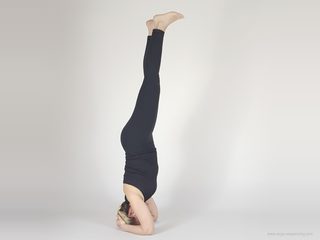
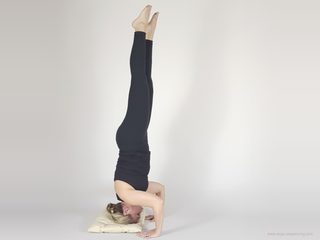
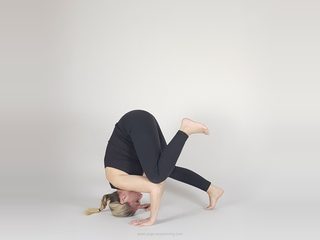
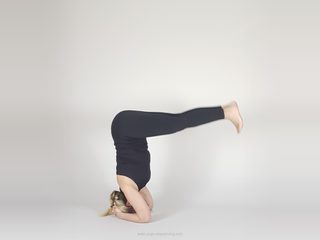
Tripod Headstand Tuck
Tripod Sirsasana Tuck
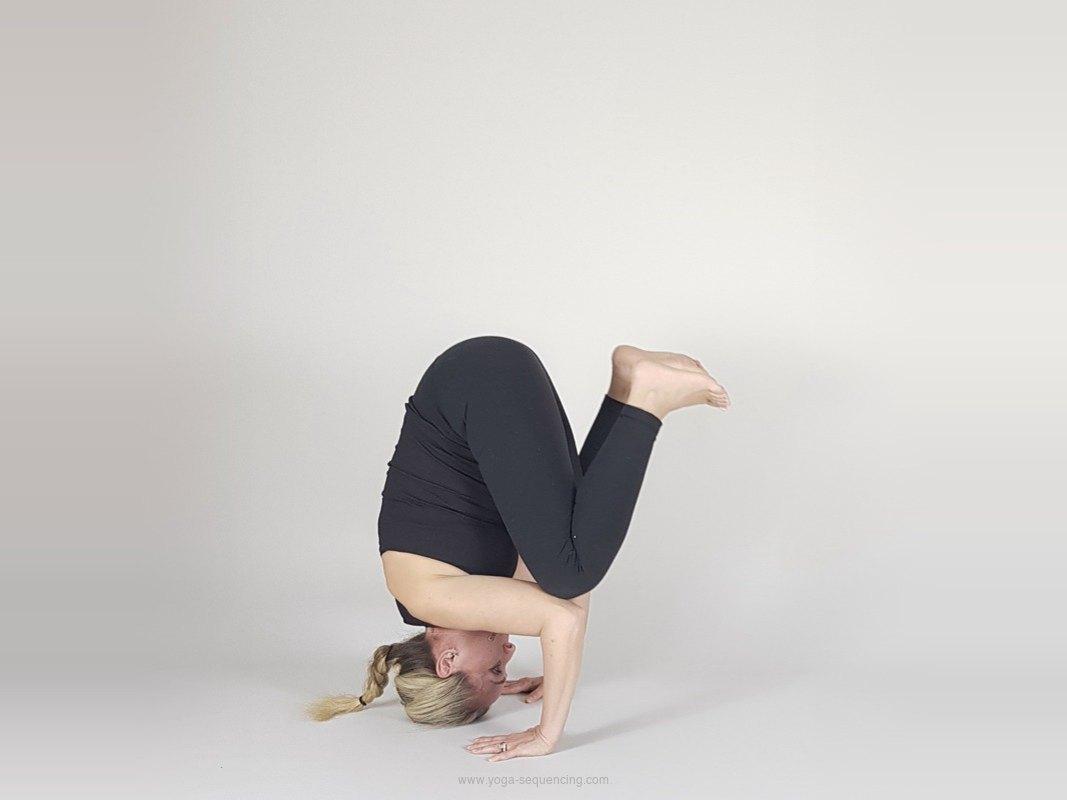
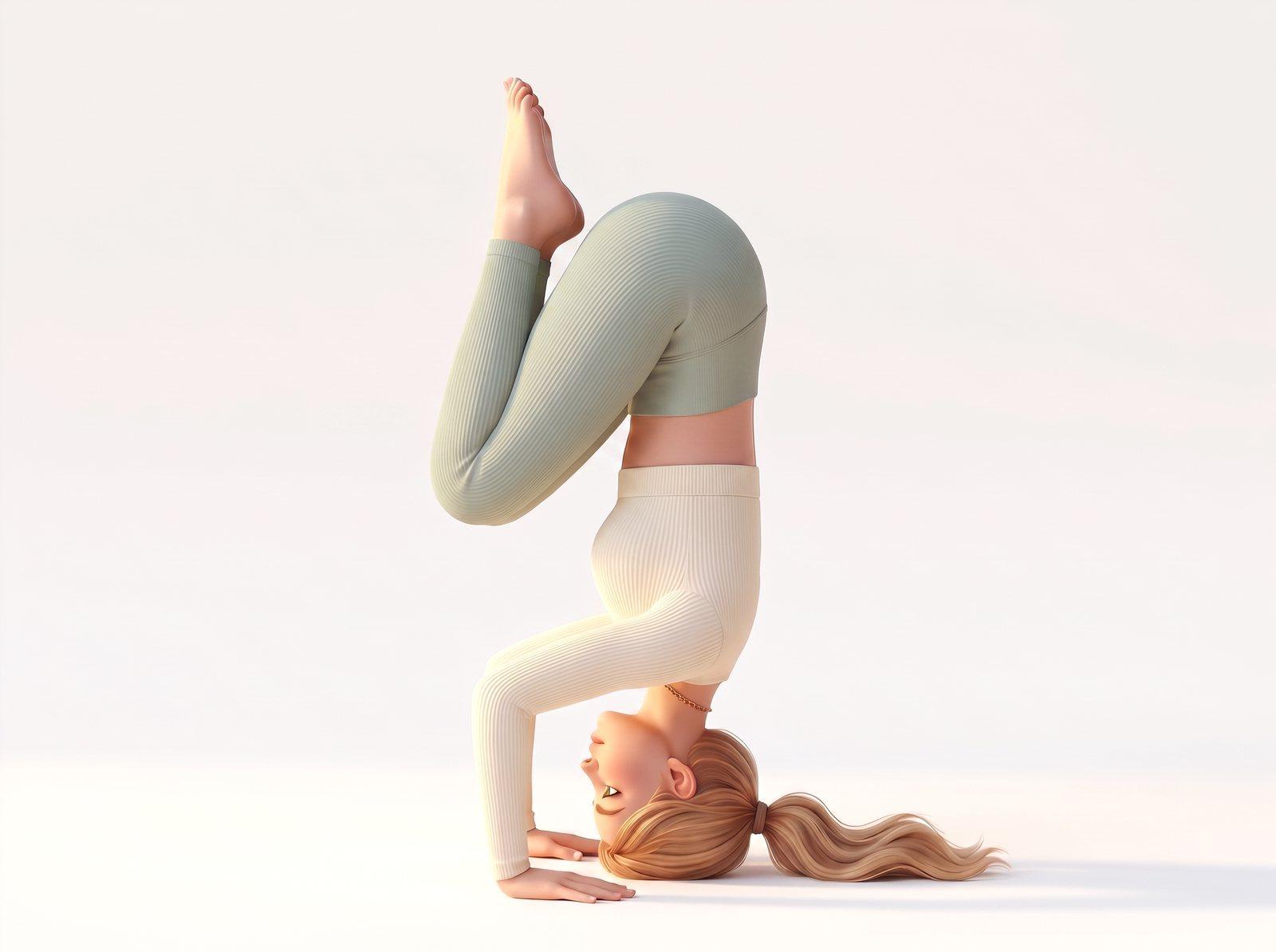
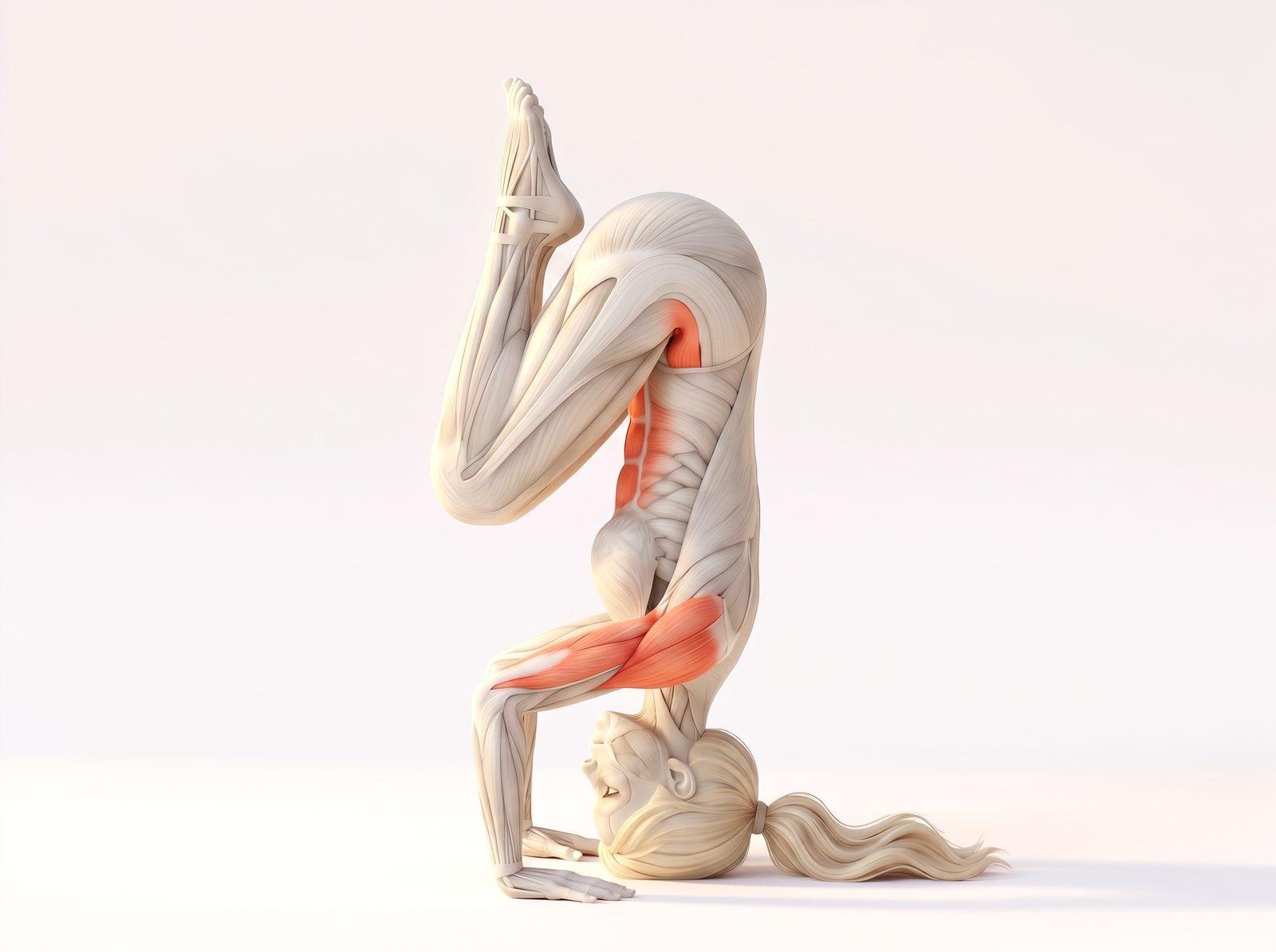
Working: Shoulders, Triceps, Abdominals, Hip flexors
Full muscle breakdown ↓About This Pose
Tripod Headstand Tuck brings the knees toward the chest while in the tripod position, creating a compact shape that builds the strength and control needed for full extension. This preparatory position teaches practitioners to find balance in a safer, lower center of gravity before extending the legs. It's essential for safe headstand progression.
Muscles Worked in Tripod Headstand Tuck
Tripod Headstand Tuck is a strength pose: the shoulders and triceps carry the body over the tripod of hands and head, while the abdominals and hip flexors hold the knees tucked toward the chest.
Working
- Shoulders (deltoids)
- Triceps (triceps brachii)
- Abdominals (rectus abdominis)
- Hip flexors (iliopsoas)
Stretching
A strength and balance pose — there is no major stretch.
Also holding you steady: your rotator cuff, the muscles along your spine and neck muscles, which keep the head and neck in line.
Variations and joint actions
- Toes on the floor: Tripod prep with feet down: far less load on the shoulders and core.
- Legs extended: A longer lever, so the core and shoulders work harder to stay balanced.
- Shoulders flexion
- Elbows flexion, about 90°
- Hips deep flexion
- Knees deep flexion
- Spine slight flexion
Roles are qualitative — this section does not measure how hard any muscle works. References: Leslie Kaminoff & Amy Matthews, Yoga Anatomy (Human Kinetics); Ray Long, The Key Muscles of Yoga (Bandha Yoga).
Step-by-Step Instructions
- 1
Enter tripod base
- 2
Lift hips high
- 3
Tuck knees tightly to chest
- 4
Stack hips over shoulders
- 5
Hold compact shape
- 6
Breathe steadily
Alignment Cues
- Press palms firmly down
- Engage core deeply
- Keep knees drawn in tight
- Maintain steady gaze
Benefits
- Builds essential strength
- Teaches balance safely
- Lower center of gravity
- Develops core control
- Essential progression step
- Builds confidence
Modifications
- Use wall support
- Practice with spotter
Variations
- One leg extended
- Both legs extended
Cautions & Contraindications
Cautions
- Maintain steady breath
- Protect neck throughout
Avoid this pose if you have:
- Neck injury
- Wrist strain
Quick Facts
Primary Focus
shouldersSecondary Focus
Suggested Hold
30 seconds
Tags
Equipment