Headstand Hover
Sirsasana Hover
Working: Shoulders, Upper back, Abdominals, Hip flexors
Stretching: Hamstrings
Full muscle breakdown ↓About This Pose
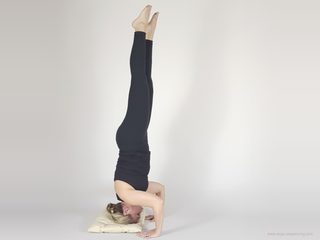
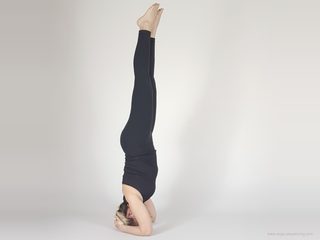
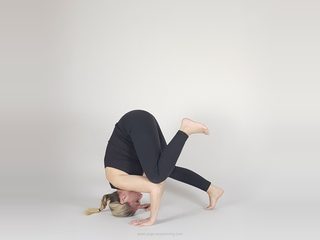
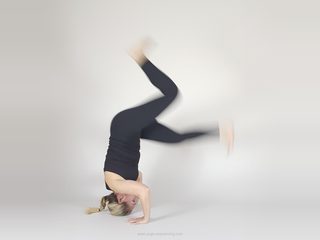
Headstand Hover refers to the controlled lifting phase of headstand where the legs float up slowly rather than kicking or jumping. This hover requires significant core strength and control, demonstrating true mastery of the pose. Practicing the hover builds the strength for graceful entries and exits from all inversions.
Muscles Worked in Headstand Hover
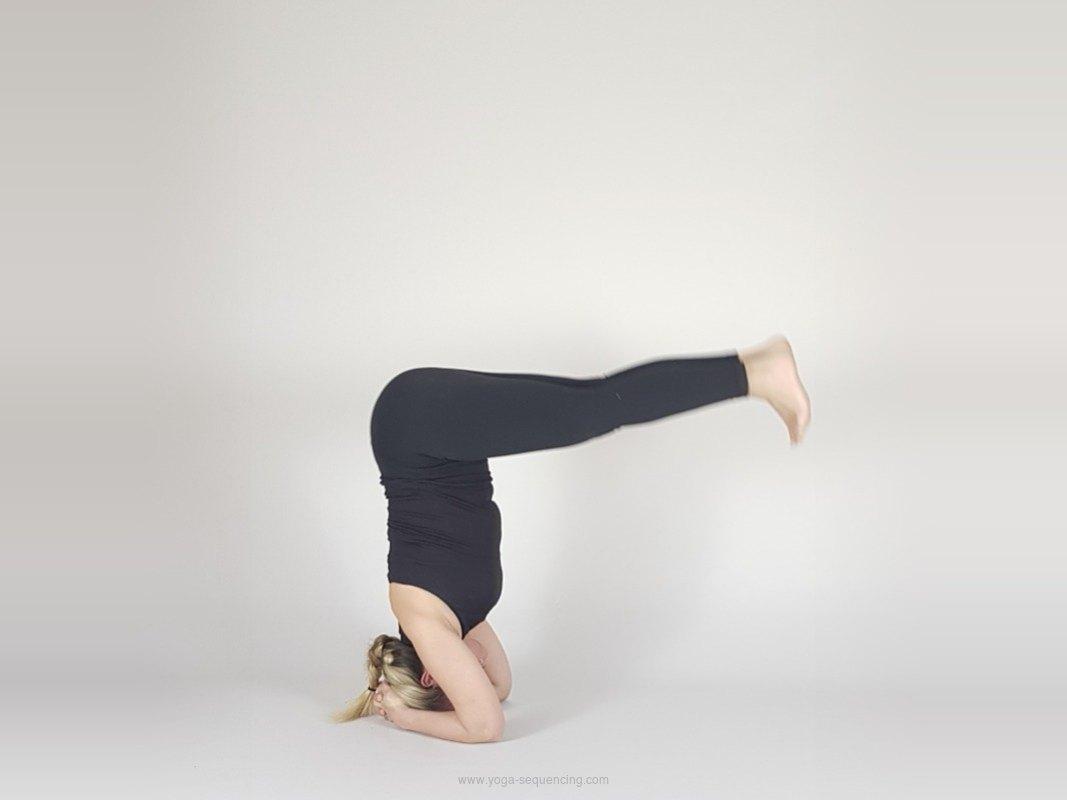
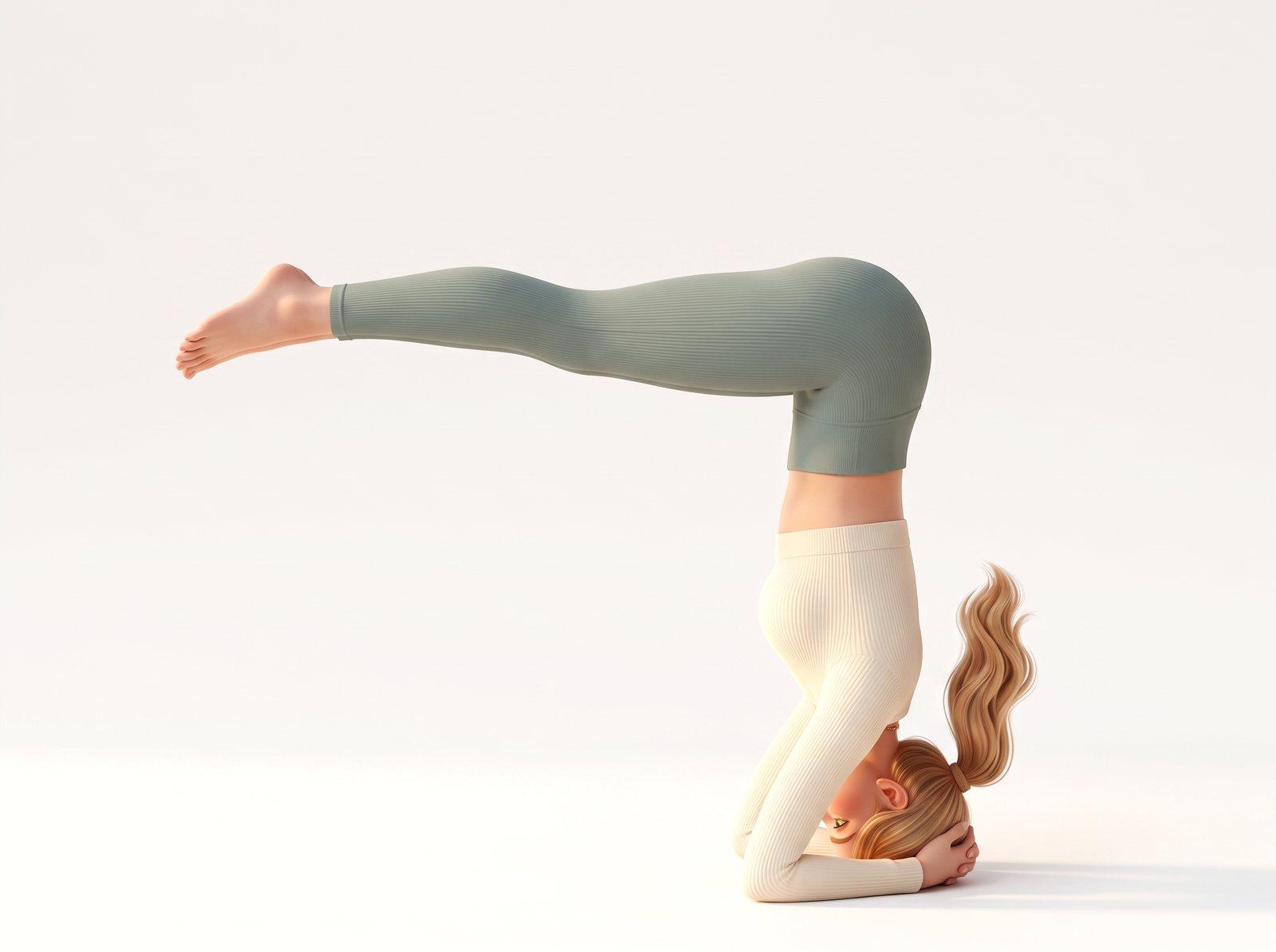
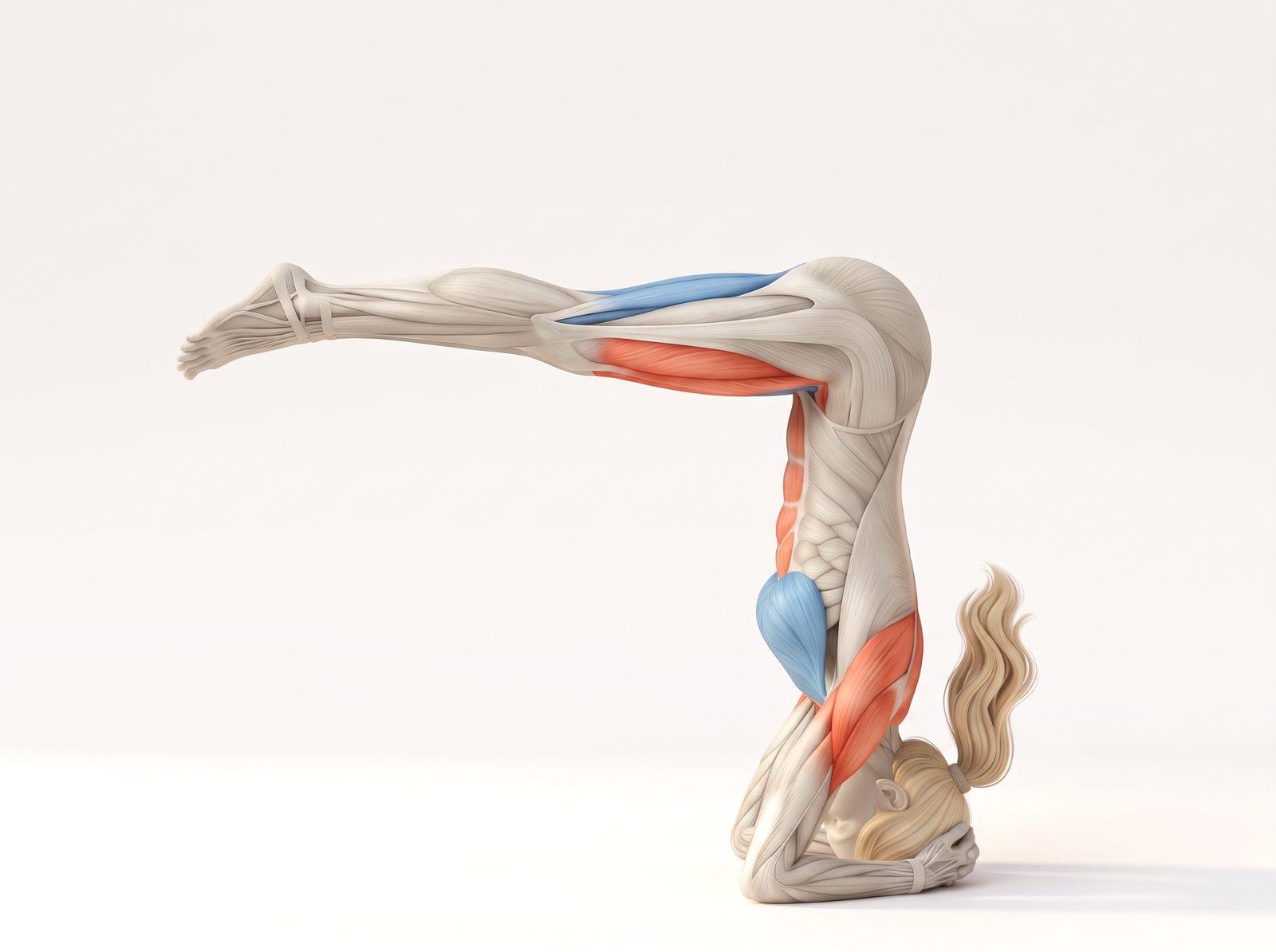
The photo shows Half Headstand (Ardha Sirsasana): balancing on the forearms and the crown of the head, hips stacked over the shoulders and both straight legs held out horizontally in an L shape. The shoulders and the core carry the load while the hip flexors hold the legs out and the hamstrings stretch.
Working
- Shoulders (deltoids)
- Upper back (rhomboids, trapezius)
- Abdominals (rectus abdominis, transversus abdominis)
- Hip flexors (iliopsoas, rectus femoris)
Stretching
- Hamstrings (biceps femoris, semitendinosus, semimembranosus)
Also holding you steady: your rotator cuff, the muscles along your spine and neck muscles, which stay steady while the arms carry the weight.
Variations and joint actions
- Bent knees: Tucking the knees toward the chest makes the hold much lighter on the core.
- Against a wall: Practising with the back near a wall gives security while you find the balance.
- Shoulders full flexion, forearms on the floor with fingers interlaced around the head
- Elbows flexion, forearms pressing down
- Spine vertical and long, torso upside down
- Hips flexion, legs held out in front of the body
- Knees extension
Roles are qualitative — this section does not measure how hard any muscle works. References: Leslie Kaminoff & Amy Matthews, Yoga Anatomy (Human Kinetics); Ray Long, The Key Muscles of Yoga (Bandha Yoga).
Step-by-Step Instructions
- 1
Set headstand foundation
- 2
Ground forearms firmly
- 3
Engage core strongly
- 4
Lift legs just off floor
- 5
Hover with control
- 6
Hold steady
Alignment Cues
- Stabilize shoulders actively
- Engage core completely
- Keep legs just above floor
- Breathe steadily throughout
Benefits
- Builds control for entry
- Demonstrates mastery
- Requires core strength
- Creates graceful transitions
- Develops slow-motion strength
- Prevents kicking habits
Modifications
- Use wall support
- Lift one leg at a time
Variations
- Higher hover
- Bent knee hover
Cautions & Contraindications
Cautions
- Avoid jerking movements
- Protect neck throughout
Avoid this pose if you have:
- Neck injury
- Shoulder strain
Quick Facts
Primary Focus
shouldersSecondary Focus
Suggested Hold
30 seconds
Tags
Equipment