Reverse Tabletop Leg Lift
Ardha Purvottanasana
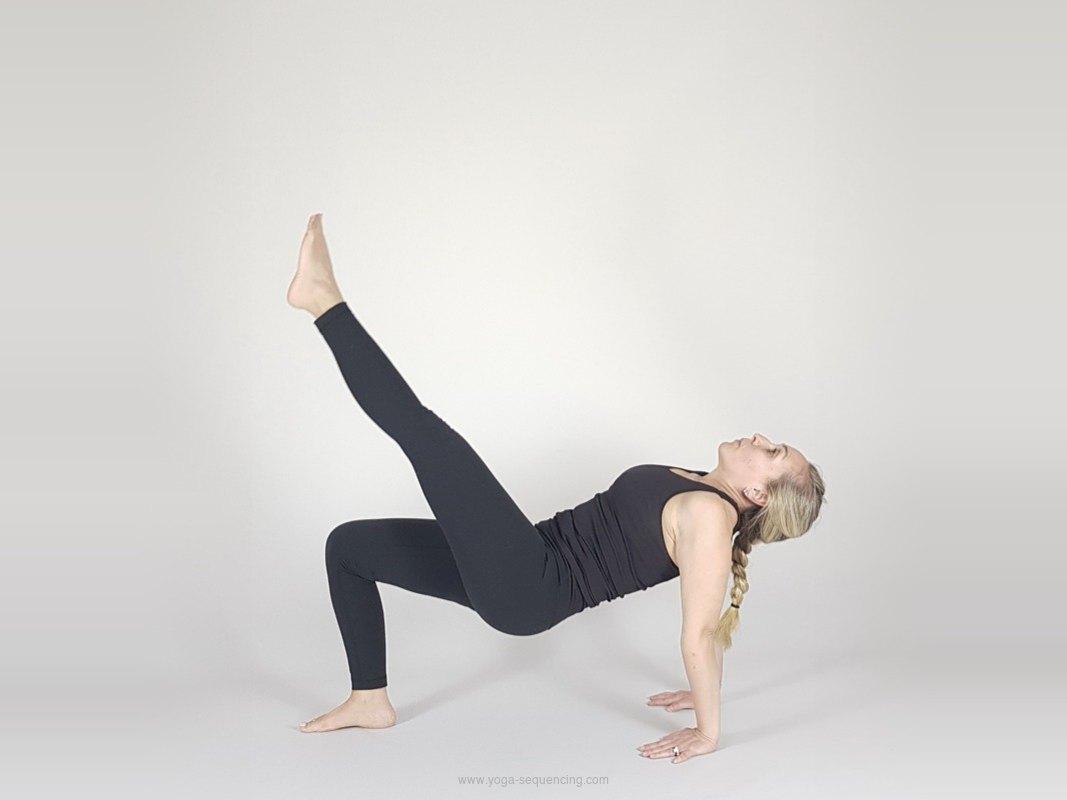
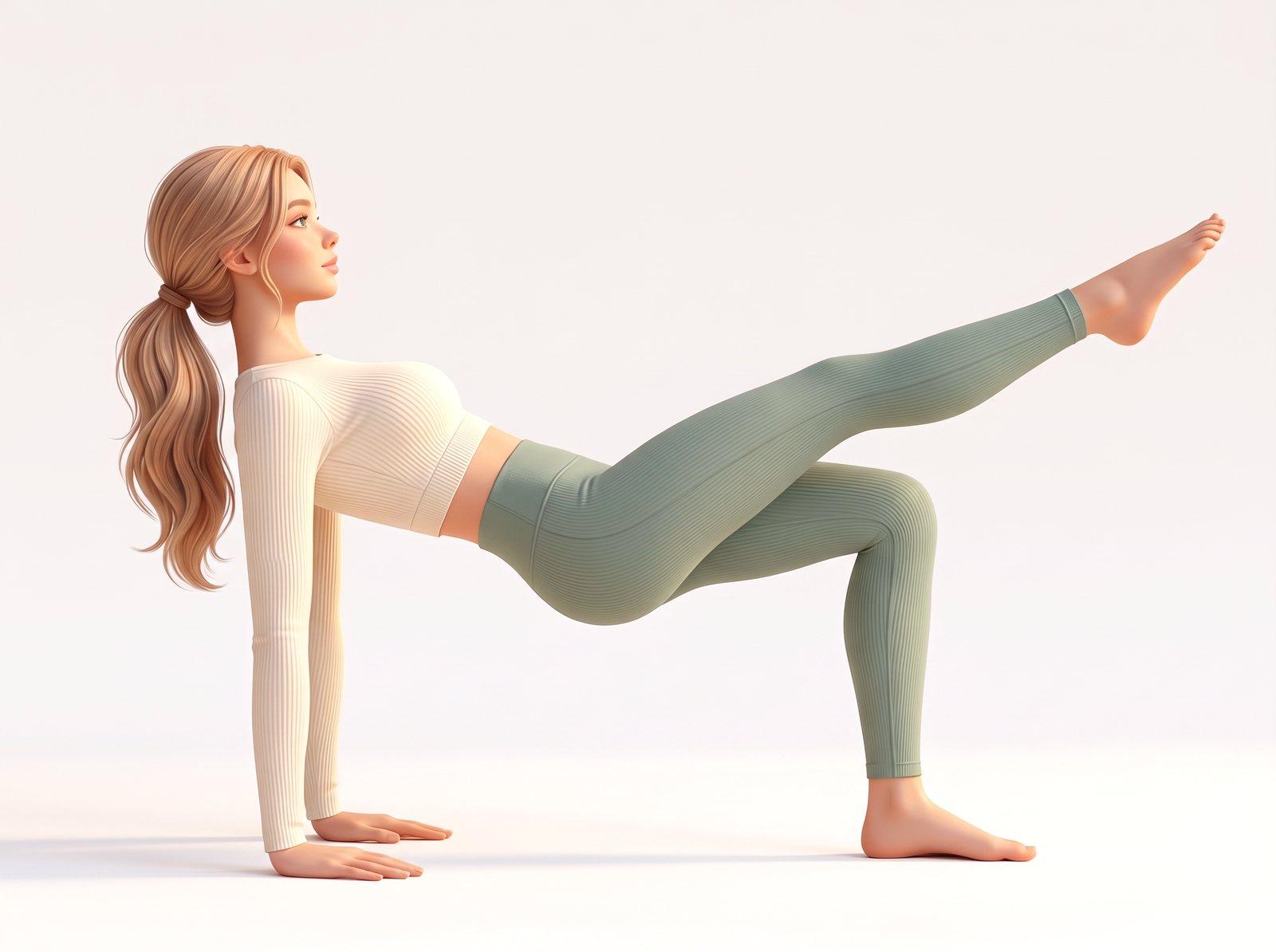
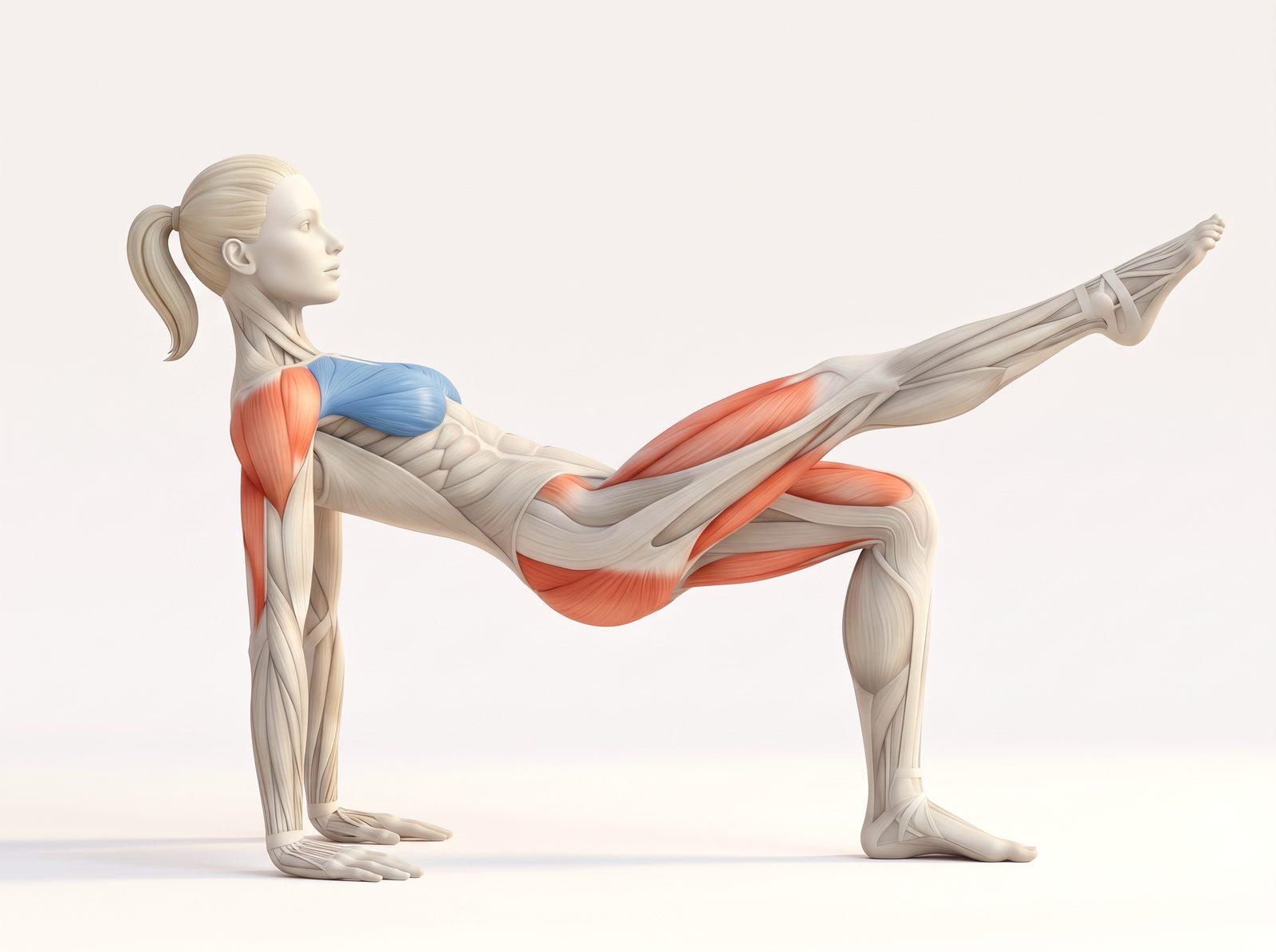
Working: Glutes, Standing-leg hamstrings, Triceps, Back of the shoulders, Lifted-leg hip flexors, Lifted-leg quadriceps
Stretching: Chest, Front of the shoulders
Full muscle breakdown ↓About This Pose
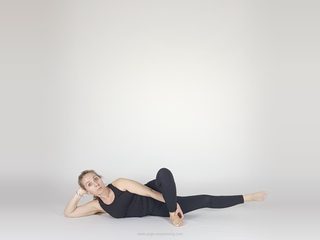
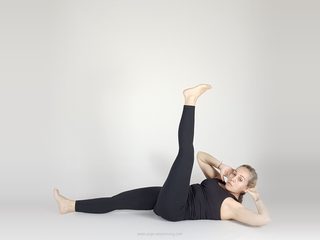
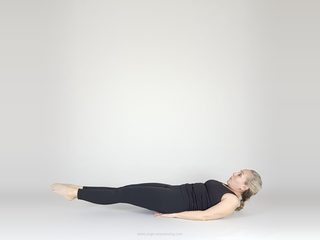
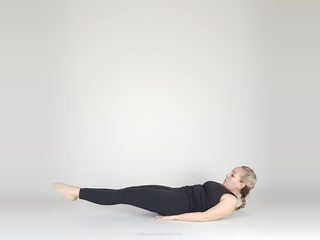
Reverse Tabletop Leg Lift advances the basic reverse tabletop by lifting one leg toward the ceiling while maintaining the hip lift. This variation significantly increases the demand on the standing-leg glute and hamstring while challenging core stability and balance. It's an effective way to build functional strength and identify imbalances between sides.
Muscles Worked in Reverse Tabletop Leg Lift
Reverse Tabletop Leg Lift works the glutes and the standing-leg hamstrings to keep the hips lifted, the triceps and the back of the shoulders to hold the arms straight, and the hip flexors and quadriceps to raise the free leg and keep it straight. The chest and the front of the shoulders stretch.
Working
- Glutes (gluteus maximus)
- Standing-leg hamstrings (biceps femoris, semitendinosus, semimembranosus)
- Triceps (triceps brachii)
- Back of the shoulders (posterior deltoids)
- Lifted-leg hip flexors (iliopsoas, rectus femoris)
- Lifted-leg quadriceps (quadriceps femoris)
Stretching
- Chest (pectoralis major)
- Front of the shoulders (anterior deltoids)
Also holding you steady: your core and rotator cuff.
Variations and joint actions
- Both feet down: Plain Reverse Tabletop: both glutes share the load and balance is easier.
- Hips lower: Less work for the glutes and less stretch across the chest.
- Shoulders extension
- Elbows extension
- Standing hip extension
- Standing knee flexion, about 90°
- Lifted hip flexion, leg straight
Roles are qualitative — this section does not measure how hard any muscle works. References: Leslie Kaminoff & Amy Matthews, Yoga Anatomy (Human Kinetics); Ray Long, The Key Muscles of Yoga (Bandha Yoga).
Step-by-Step Instructions
- 1
Enter Reverse Tabletop
- 2
Stabilize through core
- 3
Lift one leg straight
- 4
Keep hips level
- 5
Hold with control
- 6
Switch sides
Alignment Cues
- Engage core throughout
- Keep breath steady
- Keep lifted leg straight
- Maintain table shape
Benefits
- Builds unilateral strength
- Challenges core stability
- Improves balance
- Strengthens glutes deeply
- Identifies imbalances
- Increases hip flexibility
Modifications
- Lower foot if needed
- Smaller lift
Variations
- Bent knee lift
- Pulse movement
Cautions & Contraindications
Cautions
- Stabilize shoulders
- Lift with control
Avoid this pose if you have:
- Wrist injury
- Shoulder injury
Quick Facts
Primary Focus
coreSecondary Focus
Suggested Hold
30 seconds
Tags
Equipment