Headstand Tuck
Salamba Sirsasana
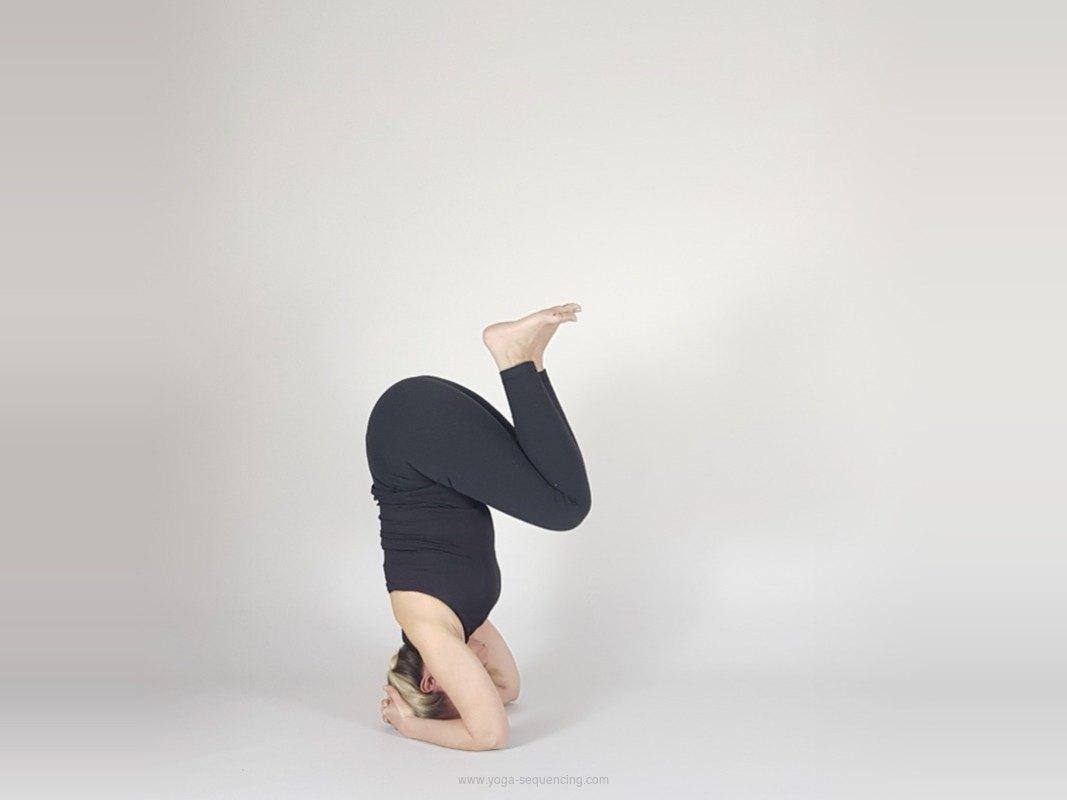
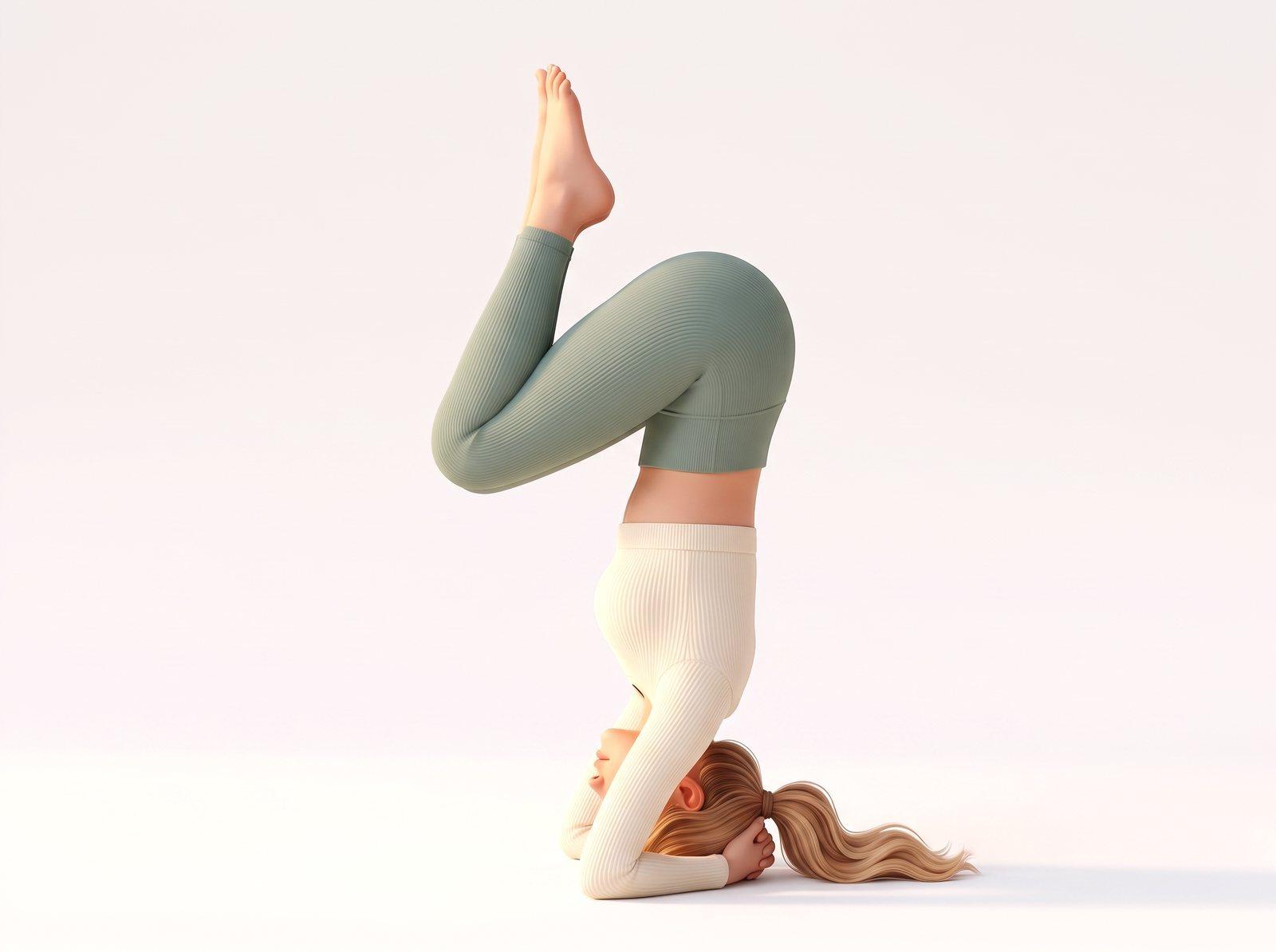
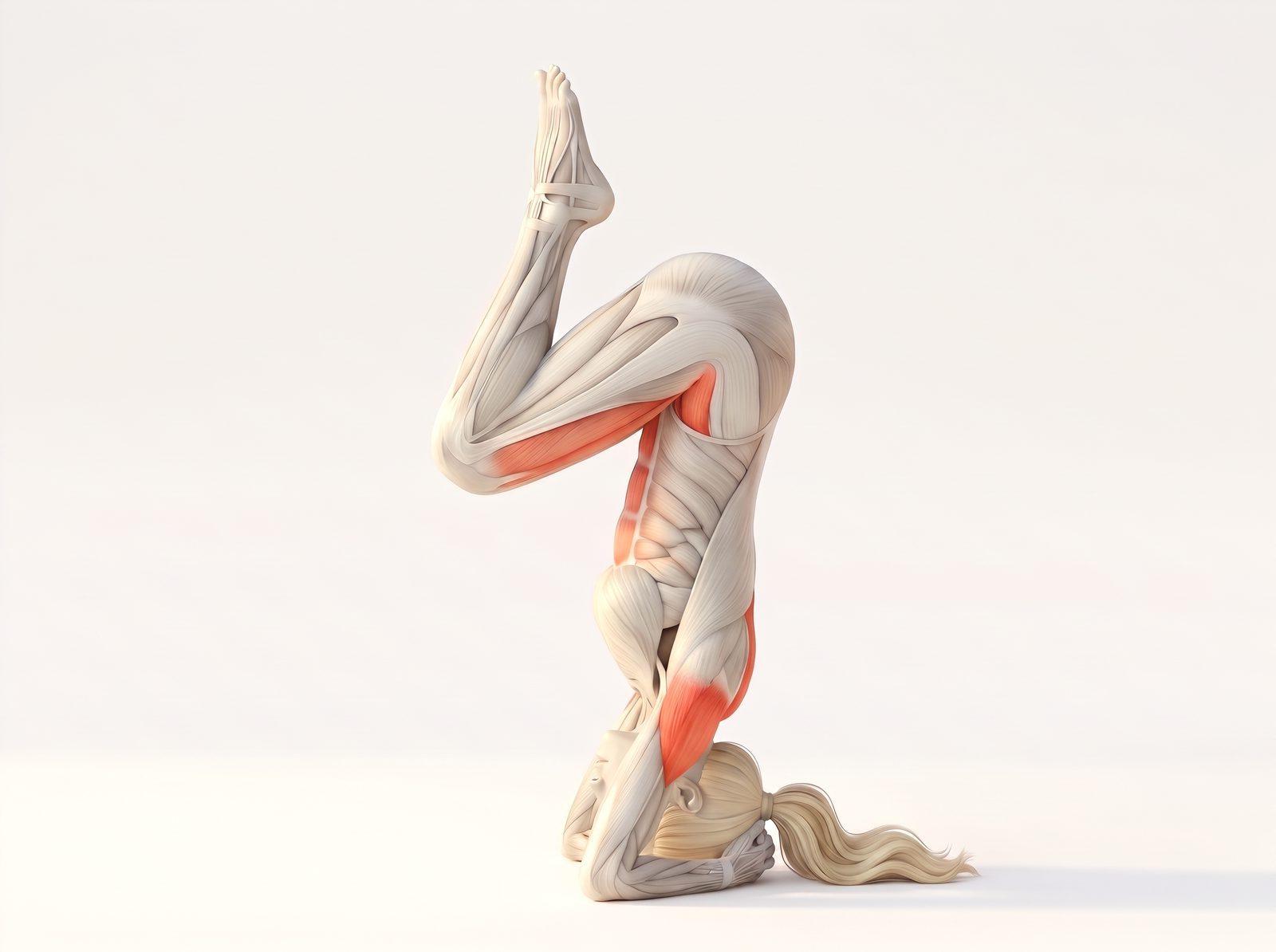
Working: Shoulders, Upper back, Abdominals, Hip flexors
Full muscle breakdown ↓About This Pose
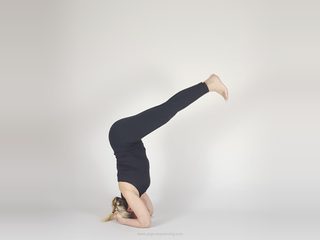
Headstand Tuck brings both knees toward the chest while inverted, creating a compact ball shape in headstand. This position develops the core strength and control needed for slow, controlled headstand entries and exits. Practicing the tuck builds the hovering ability that distinguishes safe, skillful inversions from kicked-up ones.
Muscles Worked in Headstand Tuck
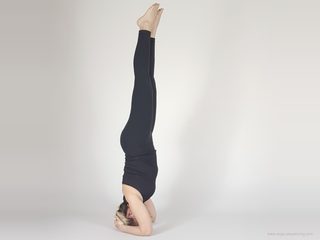
Headstand Tuck balances on the forearms and the crown of the head with the fingers interlaced around the head, hips stacked over the shoulders and both knees bent. The shoulders, upper back and core carry the body so the neck takes as little load as possible; learn it with a teacher, come down if the neck hurts, and skip it with neck problems, high blood pressure or glaucoma.
Working
- Shoulders (deltoids)
- Upper back (trapezius, lifting the shoulders away from the floor)
- Abdominals (rectus abdominis, transversus abdominis)
- Hip flexors (iliopsoas, rectus femoris)
Stretching
A strength and balance hold — there is no major stretch.
Also holding you steady: your rotator cuff, the muscles along your spine and triceps, pressing the forearms down.
Variations and joint actions
- Dolphin Pose: Builds the shoulder strength for headstand with the head off the floor.
- Legs Up the Wall: For a sensitive neck, high blood pressure or glaucoma, a supported half-inversion avoids loading the head.
- Shoulders flexion, upper arms by the ears
- Elbows flexion, forearms on the floor, fingers interlaced around the head
- Neck neutral, crown of the head on the floor
- Hips flexion, stacked over the shoulders
- Knees flexion, feet toward the ceiling
Roles are qualitative — this section does not measure how hard any muscle works. References: Leslie Kaminoff & Amy Matthews, Yoga Anatomy (Human Kinetics); Ray Long, The Key Muscles of Yoga (Bandha Yoga).
Step-by-Step Instructions
- 1
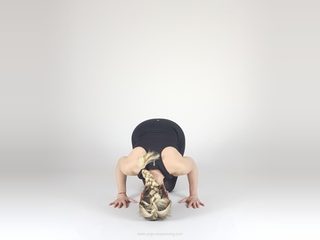
Begin in Headstand prep
- 2
Press firmly through forearms
- 3
Lift feet off floor
- 4
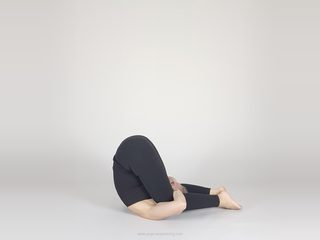
Draw knees toward chest
- 5
Stack hips over shoulders
- 6
Hold with steady breath
Alignment Cues
- Stay compact
- Breathe steadily
- Engage core
Benefits
- Develops core for control
- Enables slow entry/exit
- Compact safe position
- Builds hovering ability
- Distinguishes skillful practice
- Essential control development
Modifications
- Use wall support
- Practice with spotter
Variations
- One leg extended
- Straddle legs
Cautions & Contraindications
Cautions
- Do not jump into position
- Protect neck
Avoid this pose if you have:
- Neck injury
- Vertigo
- High blood pressure
Quick Facts
Primary Focus
coreSecondary Focus
Suggested Hold
30 seconds
Tags
Equipment