
Table of Contents
Introduction
If you feel wired-but-tired, wake at 3am, or carry stubborn tension in your belly and shoulders, your cortisol may be running high. Cortisol is your main stress hormone — useful in short bursts, exhausting when it stays switched on. The good news: gentle, slow yoga is one of the most reliable ways to bring it back down.
This guide covers how yoga lowers cortisol, 8 calming yoga poses to reduce cortisol, a 15-minute cortisol-reset sequence, and the one breathing habit that flips the stress switch off. Everything here is slow and beginner-friendly — because with cortisol, intensity is not the goal. Calm is.
This article is educational and not medical advice. Persistent high stress, sleep problems, or "cortisol belly" that will not shift are worth discussing with a clinician.
How Yoga Lowers Cortisol
Your nervous system has two gears: "fight or flight" (sympathetic, high cortisol) and "rest and digest" (parasympathetic, low cortisol). Chronic stress leaves you stuck in the first gear. Gentle yoga deliberately shifts you into the second.
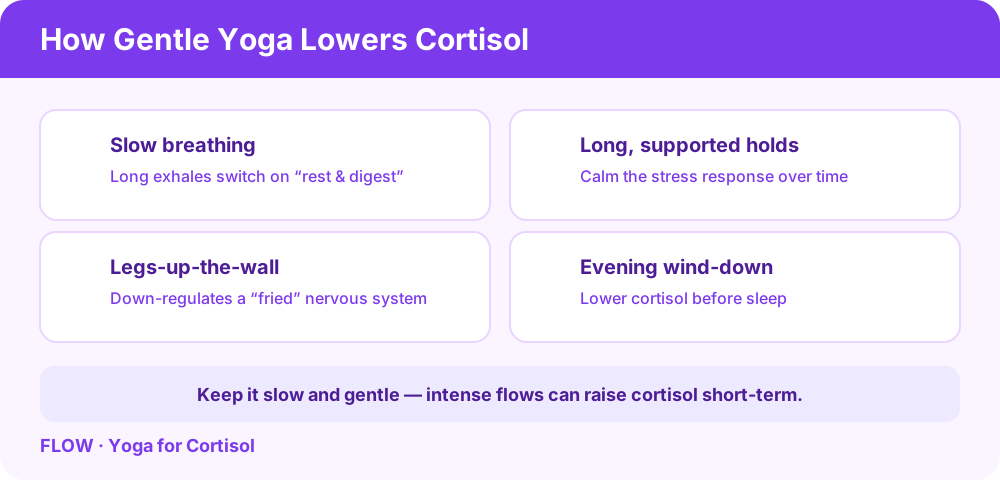
It works through a few simple mechanisms:
The key word is gentle. A hot, fast, sweaty flow can temporarily raise cortisol — great for a workout, wrong for a reset.
Morning or Evening?
Both work, for different reasons:
If you only have time for one, choose the evening.
Build this sequence on your phone
The same 420+ pose library and drag-and-drop builder, free on iPhone, iPad and Android.
8 Poses to Lower Cortisol
Hold each pose for 1–3 minutes (or the times noted) and breathe slowly, exhaling longer than you inhale.
1. Gentle Cat-Cow
Move slowly through Cat-Cow at half your normal speed to release the spine and shift attention out of your head and into your body.
2. Child's Pose
A grounding, forehead-supported rest that quiets the mind and releases the lower back. Stay 2–3 minutes.
3. Standing (or Seated) Forward Fold
A forward fold is deeply calming for the nervous system. Let the head hang heavy and soften the neck.
4. Supported Bridge
Lie back with a block or cushion under the sacrum in a gentle Bridge. This supported backbend opens the chest without effort and soothes the stress response.
5. Reclined Bound Angle (Supta Baddha Konasana)
Lie back, soles of the feet together, knees supported on cushions. A wonderfully passive heart and hip opener for letting go.
6. Supine Twist
Knees dropped to one side, arms wide. Gentle twists calm the belly and release the back.
7. Legs-Up-the-Wall
The crown jewel of cortisol yoga. Lie on your back with your legs resting up a wall for 5–15 minutes. It down-regulates a "wired" system like nothing else — the same pose we feature in our wall yoga guide.
8. Savasana with Long Exhales
Finish in Savasana, letting the exhale grow longer than the inhale. This is where cortisol actually drops.
A 15-Minute Cortisol-Reset Sequence
A short, repeatable nervous system reset you can do before bed in dim light:
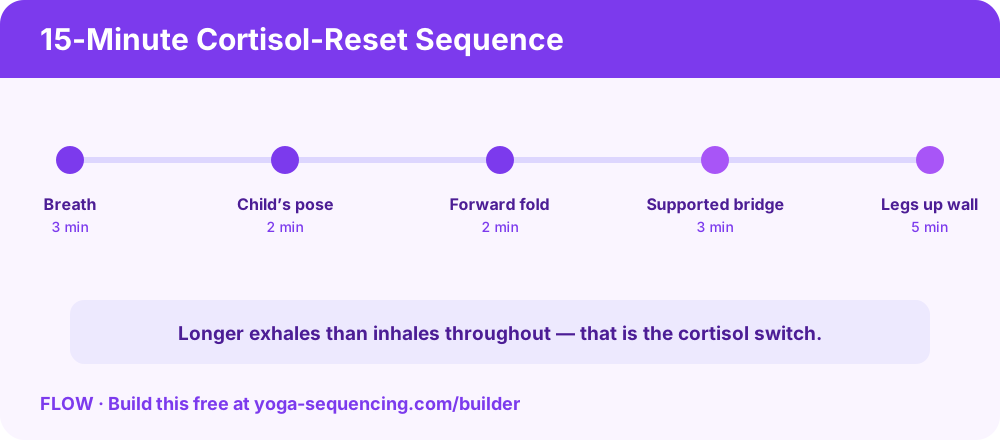
Keep every exhale longer than the inhale. That single habit is the "cortisol switch." This flow also overlaps with our yoga for stress and anxiety routine.
What to Avoid When Cortisol Is High
When you are already frazzled, skip the things that add fuel:
Slower, softer, and shorter beats longer and harder every time here.
Build Your Own Reset
The best cortisol routine is the short one you will actually repeat. Build it around three moves:
FLOW's free sequence builder lets you save this exact reset, set calm hold times, and reopen it whenever stress spikes — no scrambling to remember poses. Browse the pose library for options or start from a ready-made sequence. New to sequencing? See how to create a yoga sequence.
Save your go-to cortisol reset: Open the free sequence builder →
Frequently Asked Questions
Frequently Asked Questions (7)
Can yoga really lower cortisol?
Yes. Gentle, slow yoga shifts the nervous system from the stress state (high cortisol) into the rest-and-digest state (lower cortisol), mainly through slow breathing with long exhales, supported holds, and calming poses like Legs-Up-the-Wall. Keep it gentle — intense, fast flows can temporarily raise cortisol instead.
What are the best yoga poses to reduce cortisol?
The most cortisol-calming poses are Child’s Pose, forward folds, supported bridge, reclined bound angle, supine twist, Legs-Up-the-Wall, and Savasana with long exhales. Hold each for one to three minutes and breathe slowly. These down-regulate the nervous system rather than stimulate it.
Is yoga good for cortisol belly?
Yoga can help with so-called cortisol belly indirectly by lowering chronic stress, improving sleep, and calming the nervous system — all of which influence stress-driven fat storage. Pair a gentle evening practice with good sleep and nutrition. Yoga is a helpful support, not a spot-reduction fix.
Should I do yoga for cortisol in the morning or at night?
Both help. A gentle morning practice keeps the natural cortisol peak from tipping into anxiety; an evening restorative practice lowers cortisol before sleep and is the highest-value option for most people. If you can only pick one, choose a slow evening reset.
What breathing lowers cortisol fastest?
Breathing where the exhale is longer than the inhale — for example inhaling for four counts and exhaling for six to eight. This activates the parasympathetic nervous system and is the quickest way to signal safety and bring cortisol down. Use it throughout your practice and any time you feel wired.
How often should I practice yoga to lower cortisol?
A short 10 to 15 minute gentle practice most days lowers baseline stress over time better than an occasional long session. Consistency matters more than intensity. Even five minutes of long-exhale breathing and Legs-Up-the-Wall before bed makes a difference.
Can intense yoga raise cortisol?
Yes, temporarily. Hot, fast, or very demanding flows are a workout and can raise cortisol in the short term, which is fine when you want energy. For a cortisol reset, choose slow, supported, restorative practice instead.