
F
We test our recommendations
Mats judged on what matters in a first year rather than a tenth: comfort kneeling, grip at beginner pace, and whether the mat survives long enough to be worth the money. Prices checked on Amazon US in October 2026.
Five mats worth a beginner’s money, the three specs that actually matter in your first year, and an honest account of what the expensive mats add that you will not notice yet.
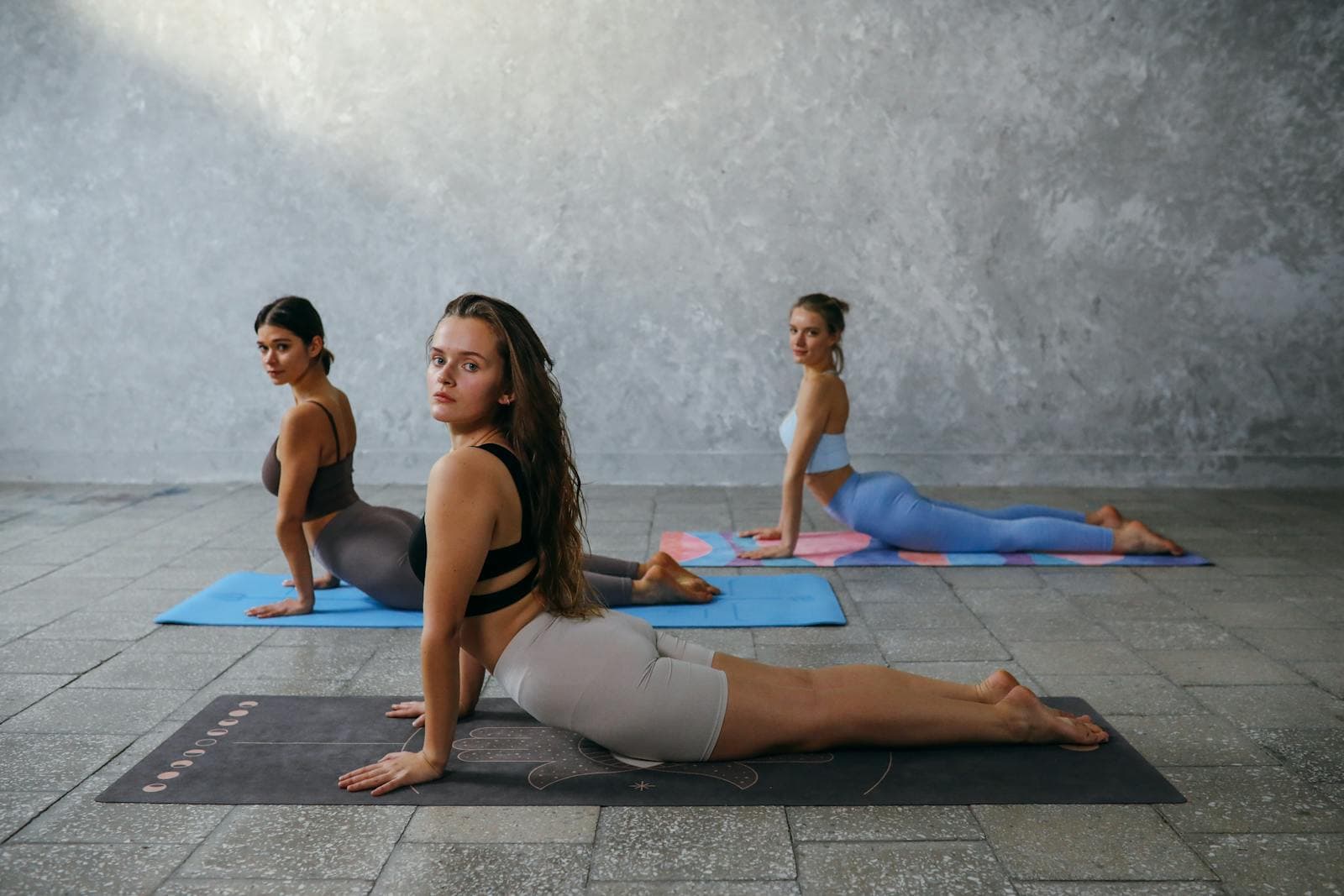
Mats judged on what matters in a first year rather than a tenth: comfort kneeling, grip at beginner pace, and whether the mat survives long enough to be worth the money. Prices checked on Amazon US in October 2026.
FLOW may earn from qualifying purchases. Links use our Amazon Associates tag (flowyoga0f-20). You do not pay more.
Knees and wrists carry more load before alignment settles. 6mm, not 3mm.
Beginner pace rarely produces the sweat that defeats a cheap mat. Enough is enough.
Two to three years is the right target. Buying for a decade is buying for a practice you do not have yet.
The one spec nobody warns beginners about. Natural rubber off-gasses for weeks.
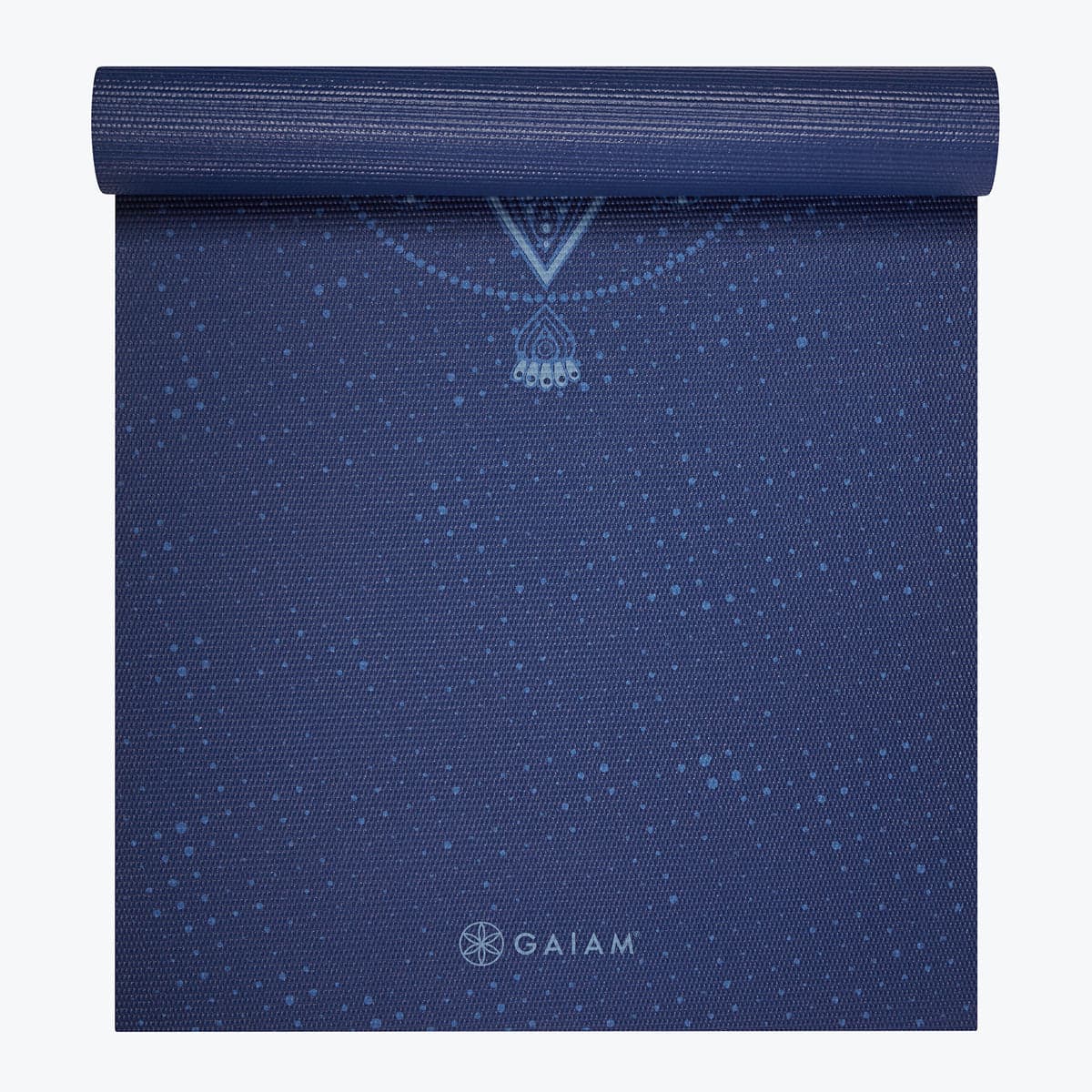
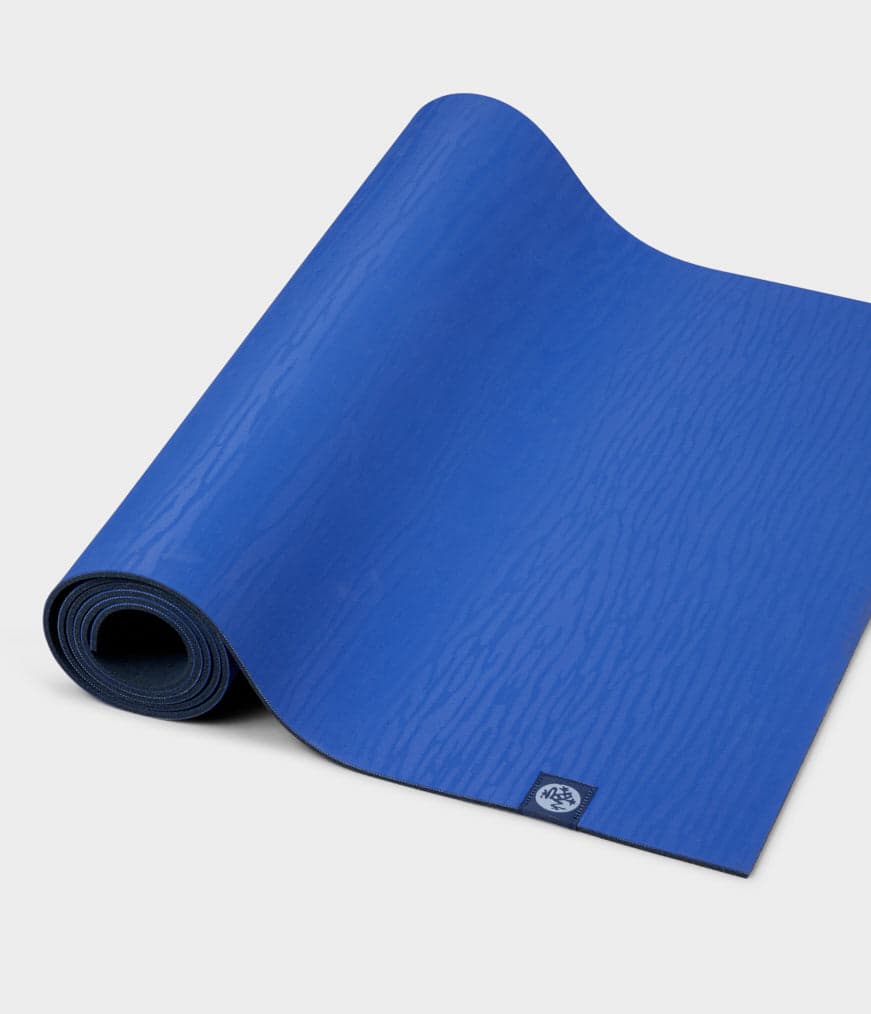
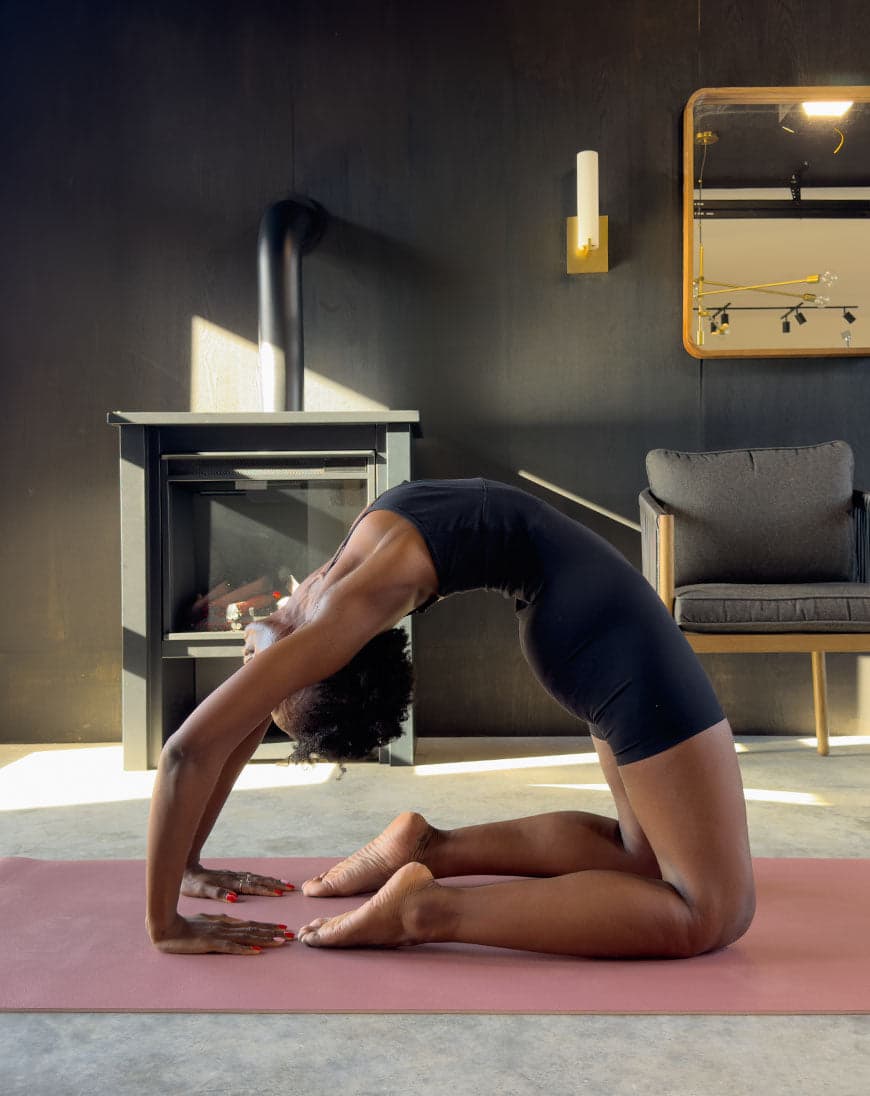
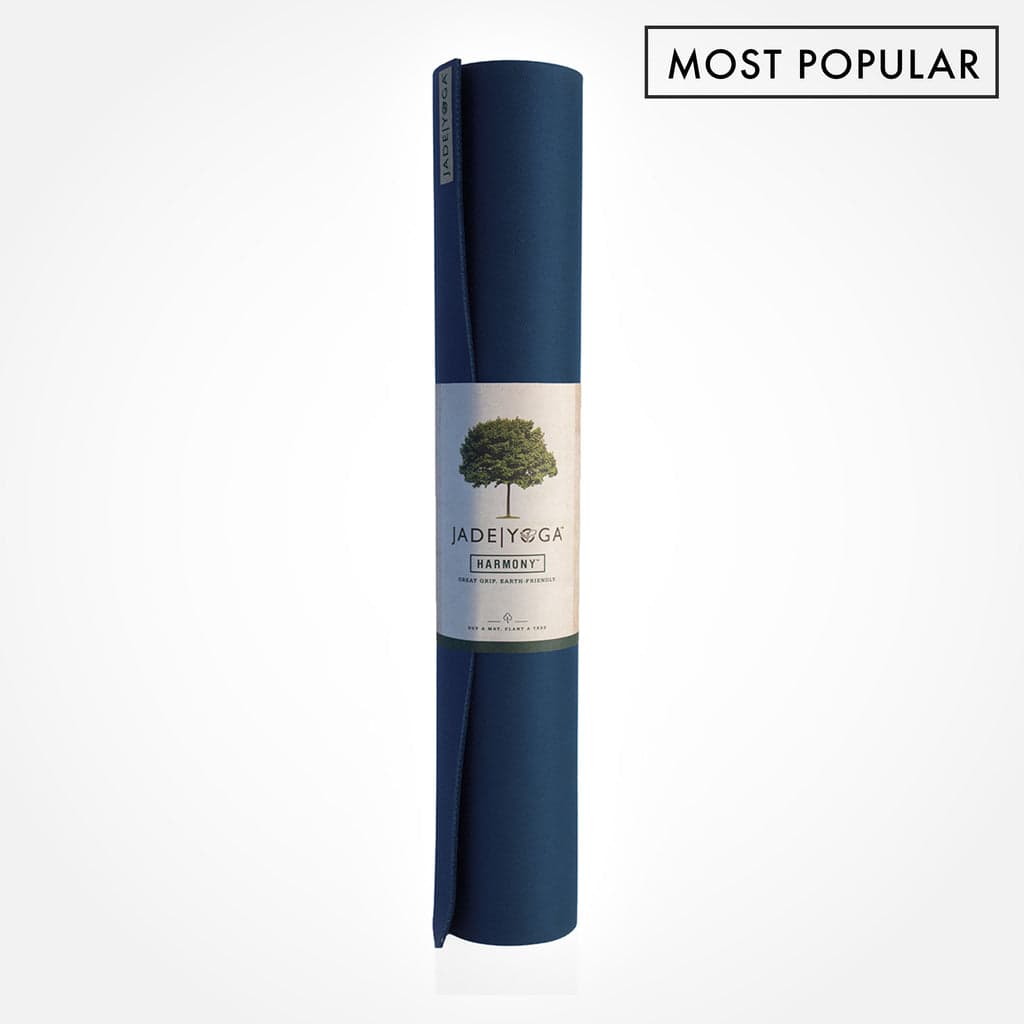
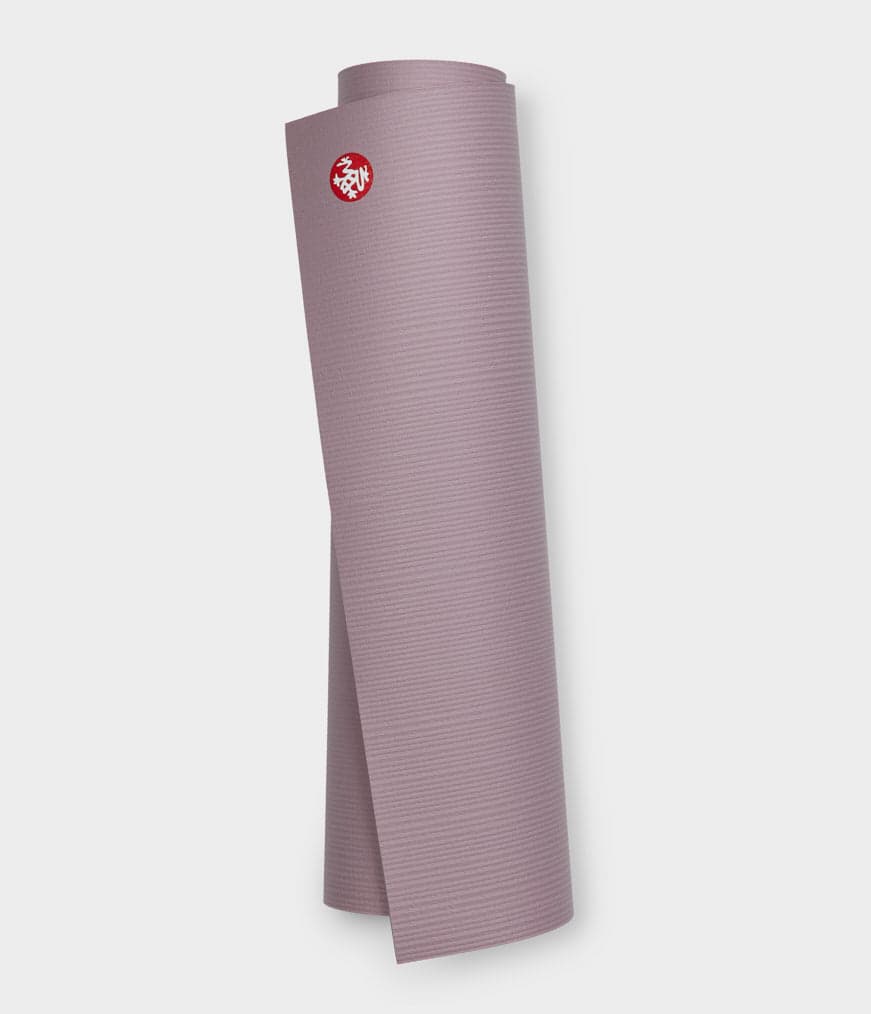 1
Best for: A first mat, two or three sessions a week
2Best for: Warm rooms, or hands that slide on PVC
3Best for: Existing knee or wrist trouble
4Best for: Heated rooms from the start
5Best for: Beginners who already know this will stick
Plan the class, not just the kit
FLOW's 420+ pose library and drag-and-drop sequence builder, free on iPhone, iPad and Android.
Buy the cheap 6mm mat and two blocks. Spend the difference on classes. The mat you want in year three is a mat you can only choose once you know what your practice looks like, and no guide can tell you that in advance.
6mm. It is forgiving on knees and wrists while you are still learning to distribute weight, which is where most beginners feel discomfort first. The 3mm and 4mm mats experienced practitioners prefer give better balance feedback, but that is a trade you make once standing poses feel stable — usually several months in.
Twenty to forty dollars. A mat in that band is comfortable, grips adequately for the pace a beginner practises at, and will last two or three years of twice-weekly use. If yoga sticks and you move to daily practice, you will have learned enough by then to choose a premium mat on your own terms rather than someone else’s recommendation.
Only if you sweat. Slipping in Downward Dog is usually a weight-distribution problem rather than a mat problem in the first few months — the fix is pressing through the index finger knuckle, not spending more. If you are taking hot classes, that changes: there you need real wet grip or a towel over the mat.
A thin cheap mat can be. A 6mm cheap mat is fine for a year or two, which is exactly how long it stays 6mm. Foam compresses, and the moment kneeling starts to hurt the mat is finished regardless of how it looks. If you already have knee trouble, skip the budget band and start at the rubber mats.
Two blocks and nothing else. Blocks bring the floor up to you in half the standing poses and make seated forward folds possible before your hamstrings cooperate. A strap is useful but a belt or towel does the same job. Everything else — wheels, bolsters, sliders — can wait until you know what your practice is.
Most beginners are sold a mat built for someone practising six days a week. Start at $25, keep it until it flattens, and let the way you actually practise decide what replaces it. The one exception is knees: if yours already hurt, skip the budget band entirely.
Yoga mat marketing lists a dozen attributes. In a first year, three of them decide whether you like the mat: thickness, grip, and smell. Everything else — alignment markings, antimicrobial treatments, carry straps, eco credentials — is real but not yet relevant to you.
Thickness. Go to 6mm. Experienced practitioners often prefer 3mm or 4mm because a thin mat gives better feedback about where your weight is, and balance improves when you can feel the floor. That feedback is only useful once standing poses feel stable. Before then it is just a hard floor under your kneecap.
Grip. Beginner practice is slower and cooler than the vinyasa classes mat reviews are written around. Most beginners do not generate enough sweat to defeat a cheap mat. If you are starting in a heated room, this logic inverts and grip becomes the first spec rather than the second.
Smell. Nobody warns about this. Natural rubber mats — Jade, the eKO, the B Mat — off-gas strongly for the first two or three weeks. It fades completely, but it is genuinely unpleasant in a small room, and it surprises people who spent $90 expecting the opposite.
The most common reason a beginner wants a new mat is sliding forward in Downward Dog. It is almost never the mat.
Hands slide when weight sits in the heel of the palm rather than spread across the whole hand. The fix is to press down through the knuckle at the base of the index finger and spread the fingers wide. Try that for two weeks before concluding you need a grippier surface. If you are still sliding and your hands are dry, then it is the mat.
They do not compress. That is the honest summary.
A Manduka PRO is 6mm on the day you buy it and 6mm a decade later. A budget mat is 6mm for about eighteen months of regular use and then gradually less. For someone practising daily that difference is the whole ballgame. For someone practising twice a week it takes years to matter, and by then you will want a different mat anyway, for reasons you cannot predict yet.
The other thing premium mats add is grip when wet, which matters enormously in hot yoga and very little in a gentle Tuesday-evening class.
Two blocks. Not one — poses that use blocks usually use two, and buying a second later is annoying.
Blocks do something no amount of flexibility shortcuts can: they bring the floor up to your hands so you can stand in a pose with correct alignment rather than collapsing toward the ground to reach it. Half of standing sequences get better immediately.
A strap is genuinely useful and completely replaceable by a belt or a towel for the first year. Bolsters, wheels and sliders are for practices you have not chosen yet.
A mat is finished when kneeling hurts. That is the whole test — not how it looks, not how old it is. Press a thumb into it near the centre where you kneel most, then near the edge where you never do. If the centre gives noticeably more, the foam has compressed and the mat is on borrowed time.
For a budget mat at two or three sessions a week, expect around three years. At daily practice, expect under two.
Six mats from $20 to $150, priced per year of ownership rather than per sticker. Where the money goes, where it stops buying anything, and the cheapest mat worth teaching on.
The two mats teachers actually choose between. One grips harder than anything else on the market and wears out; the other lasts a decade and needs breaking in. Which trade belongs in your practice.
Most "free" yoga apps are a seven-day trial. These are the ones still worth opening in month three without paying — and what each one holds back.
Join thousands of yoga teachers using FLOW to create professional sequences in minutes. Start free today—no credit card required.
Also on iPhone, iPad & Android