Low Lunge with Back Leg Extended
Anjaneyasana
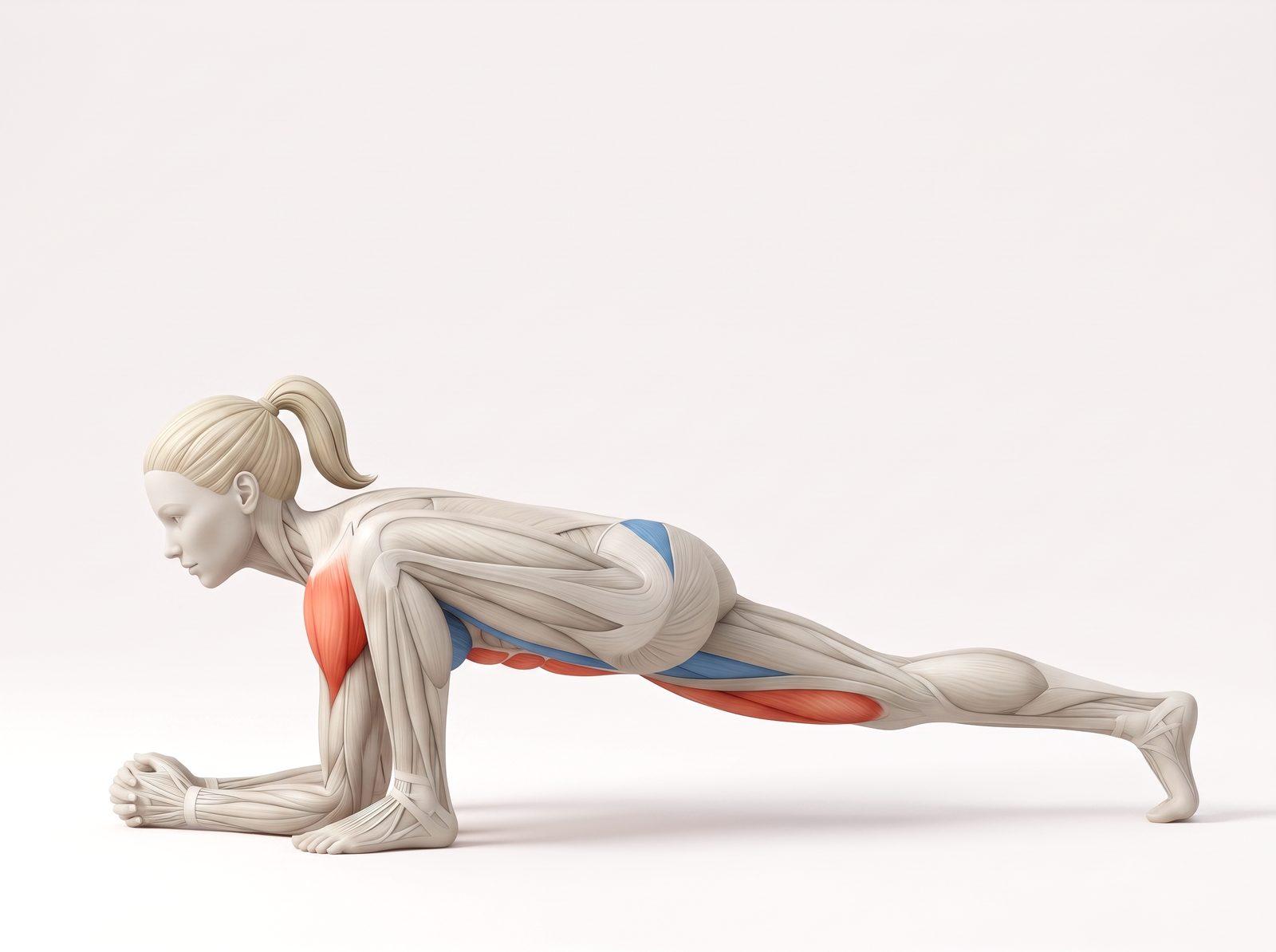
Working: Back-leg quadriceps, Abdominals, Shoulders
Stretching: Back-leg hip flexors, Front-leg inner thigh
Full muscle breakdown ↓About This Pose
Low Lunge with Back Leg Extended transforms the grounded lunge into a dynamic balance challenge by lifting and extending the back leg parallel to the floor. This variation significantly increases core engagement and tests stability while maintaining hip opening benefits. The extended back leg creates a beautiful line of energy from extended fingertips through pointed toes. This pose builds the strength and balance required for more advanced arm balances and standing poses. The challenge of maintaining alignment while balancing develops both physical strength and mental focus. Athletes appreciate this variation for its combination of flexibility work and functional strength training.
Muscles Worked in Low Lunge with Back Leg Extended
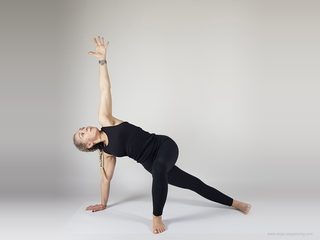
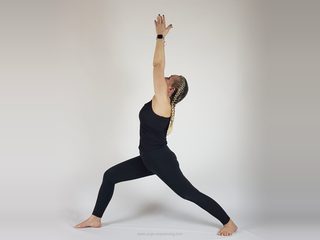
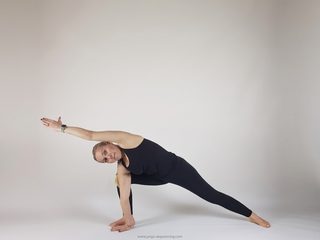
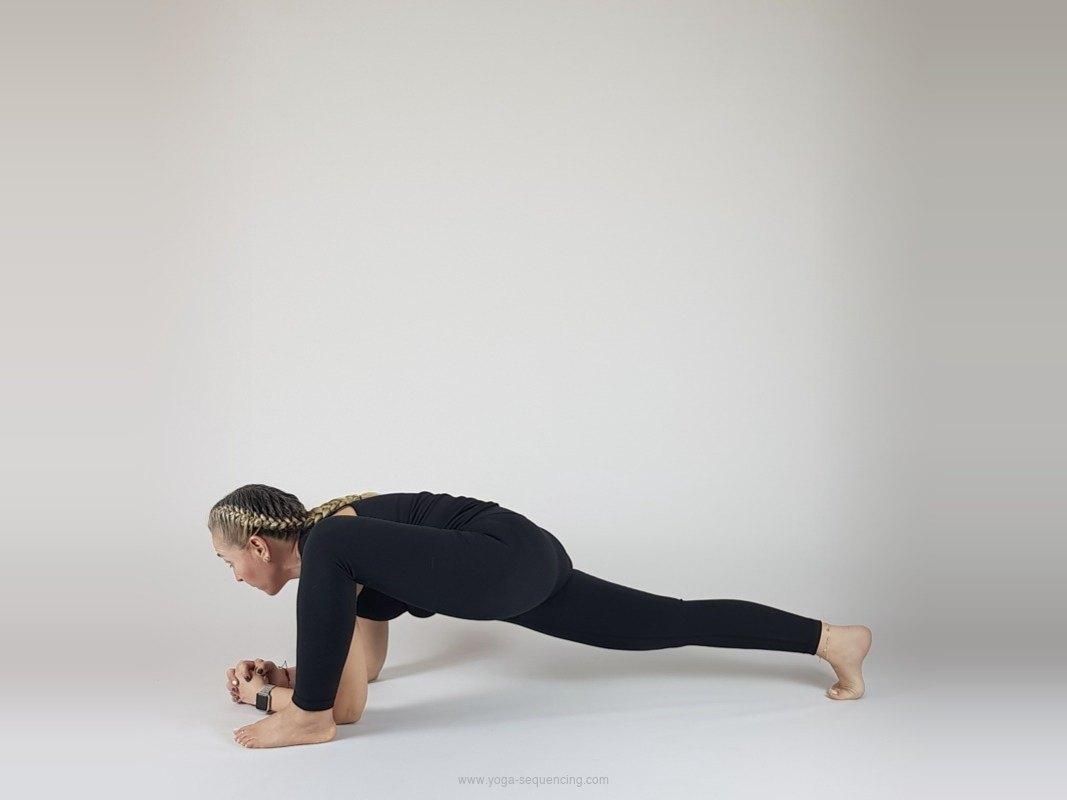
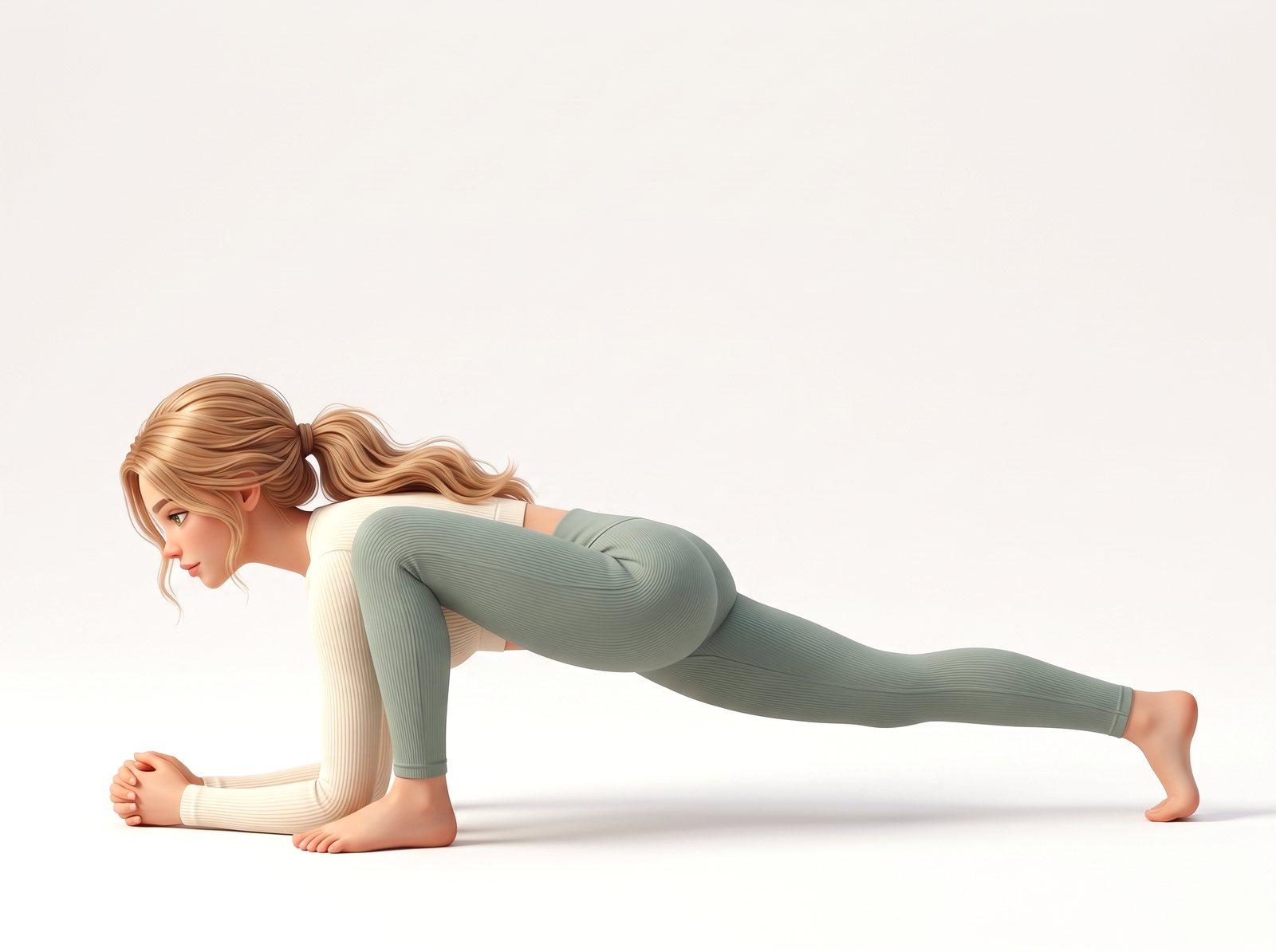
The photo shows Lizard Pose (Utthan Pratanasana) on the forearms with the back knee lifted and the back leg straight, toes tucked. The back-leg quadriceps and core hold the long line while the back-leg hip flexors and front-leg inner thigh stretch.
Working
- Back-leg quadriceps (quadriceps femoris, keeping the back knee straight)
- Abdominals (rectus abdominis, transversus abdominis)
- Shoulders (deltoids)
Stretching
- Back-leg hip flexors (iliopsoas)
- Front-leg inner thigh (adductors)
Also holding you steady: your rotator cuff, hip stabilisers (gluteus medius) and the muscles of your feet and ankles.
Variations and joint actions
- Back knee down: Lowering the back knee makes the hold passive and easier to stay in.
- Hands on blocks: Staying up on the hands or blocks suits tight hips.
- Front hip deep flexion and slight abduction
- Front knee flexion
- Back hip extension
- Back knee extension, lifted off the floor
- Back ankle dorsiflexion, toes tucked
- Elbows flexion, forearms on the floor
Roles are qualitative — this section does not measure how hard any muscle works. References: Leslie Kaminoff & Amy Matthews, Yoga Anatomy (Human Kinetics); Ray Long, The Key Muscles of Yoga (Bandha Yoga).
Step-by-Step Instructions
- 1
Begin in stable Low Lunge
- 2
Place hands on floor or blocks
- 3
Shift weight into front foot
- 4
Engage core strongly
- 5
Begin lifting back knee off floor
- 6
Extend back leg straight behind you
- 7
Point toes and reach through heel
- 8
Level hips parallel to floor
- 9
Find balance point
- 10
Extend opposite arm forward
- 11
Hold for 5 breaths
- 12
Lower with control and switch
Alignment Cues
- Core powerfully engaged
- Back leg reaching energetically
- Hips level with floor
- Front knee stable over ankle
- Gaze steady and focused
- Breath continuing to flow
Benefits
- Intensifies core engagement
- Develops balance and stability
- Strengthens back body
- Creates full body integration
- Prepares for arm balances
- Builds mental focus
- Improves coordination
- Adds strength to flexibility work
Modifications
- Keep back toes touching floor
- Use blocks under hands
- Practice near wall
Variations
- Both arms extended forward
- Arms alongside ears
- Add gentle balance challenges
Cautions & Contraindications
Cautions
- Build balance gradually
- Keep supporting leg stable
- Engage core before lifting
Avoid this pose if you have:
- Severe balance disorders
- Acute back injuries
- Knee instability
Quick Facts
Primary Focus
coreSecondary Focus
Suggested Hold
30 seconds
Tags
Equipment