Dead Bug Pose
Dead Bug
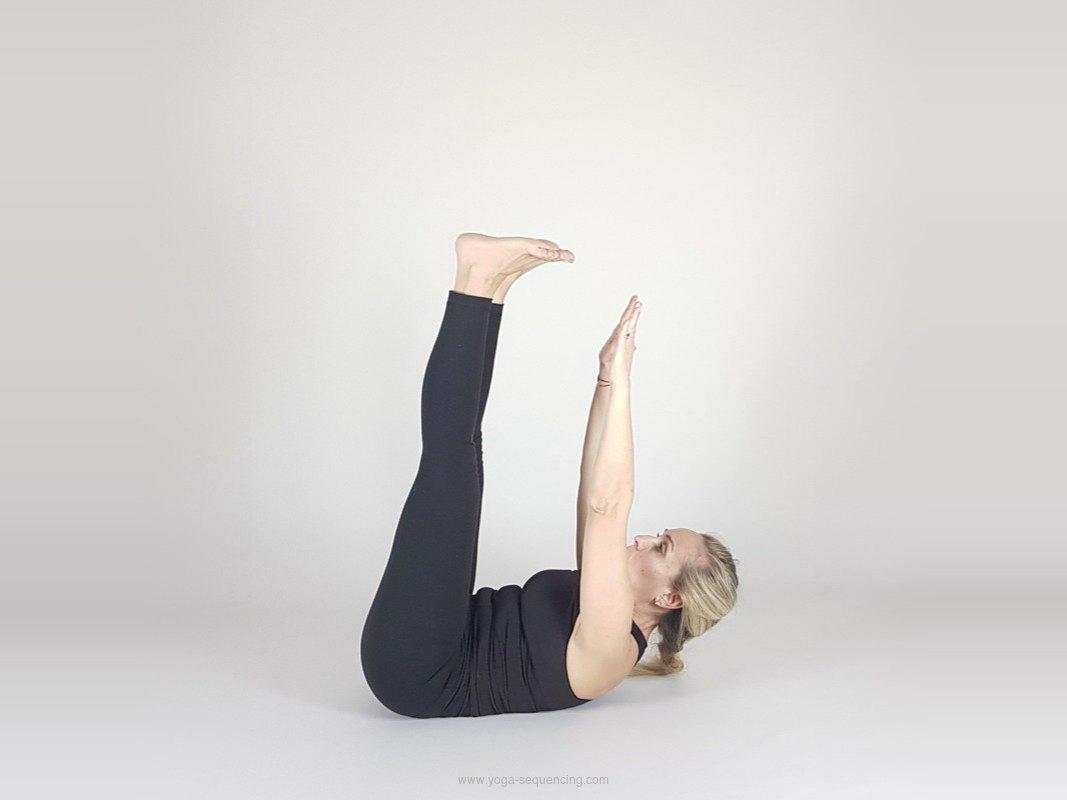
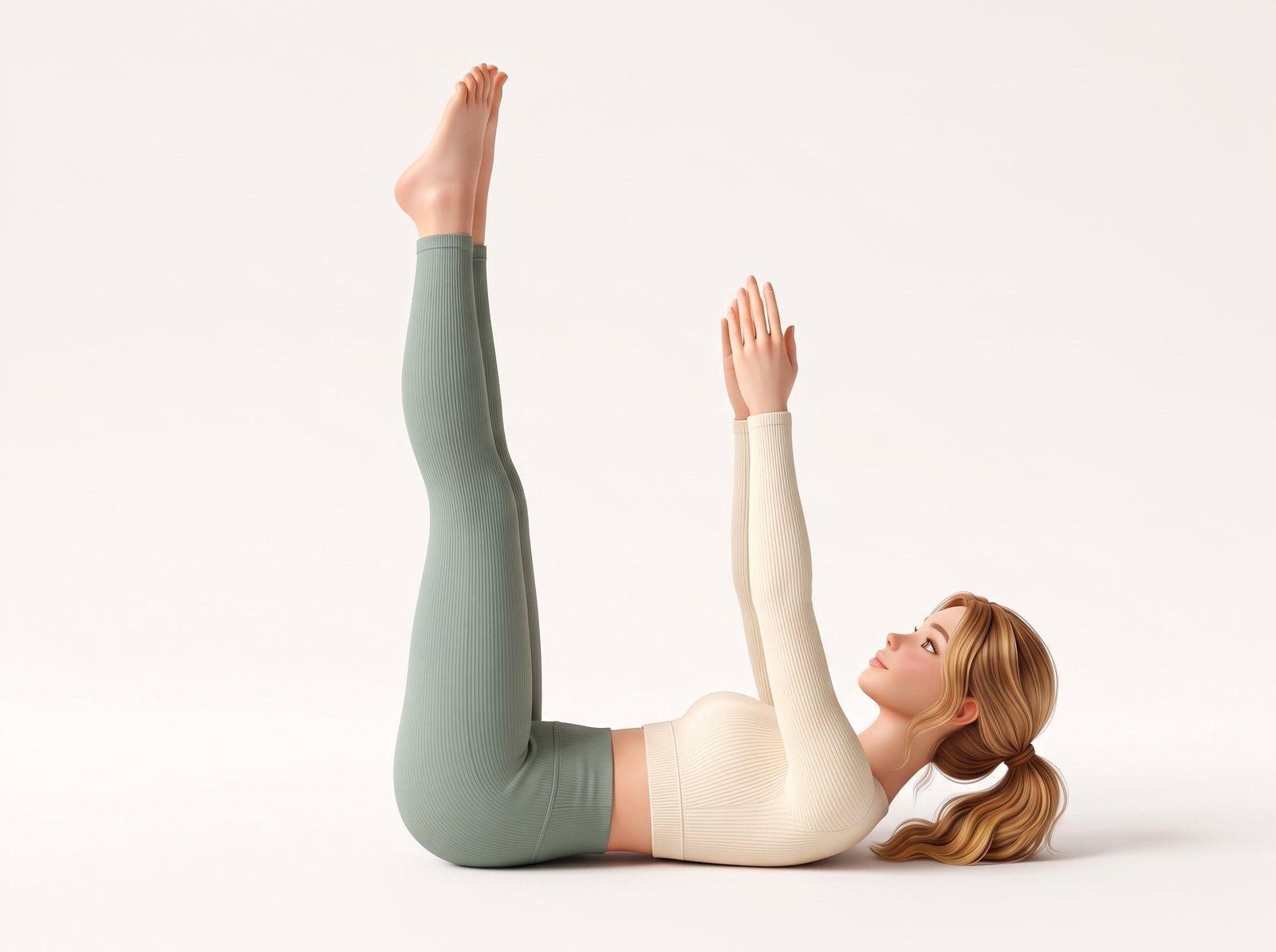
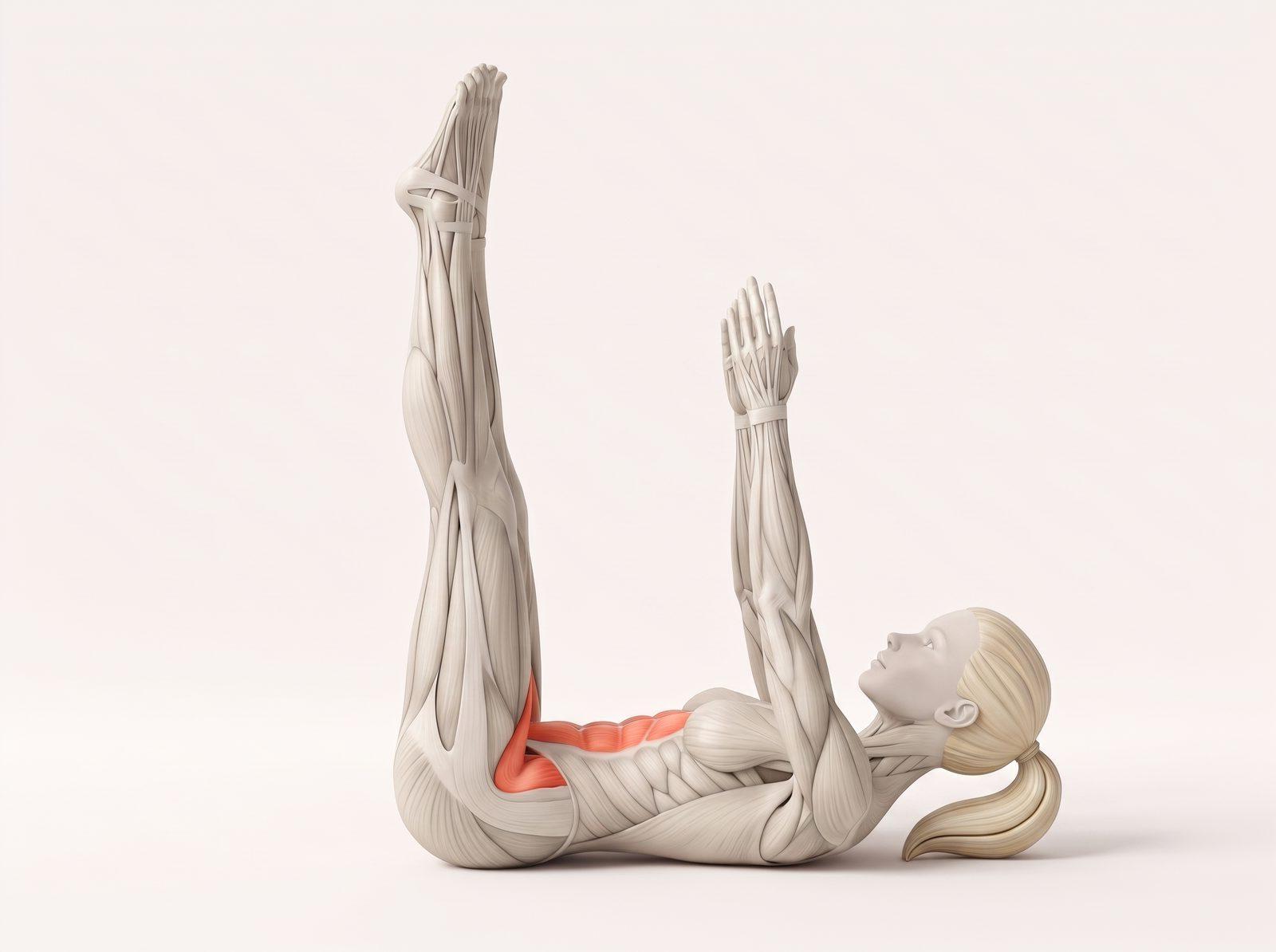
Working: Abdominals, Deep core, Hip flexors
Full muscle breakdown ↓About This Pose
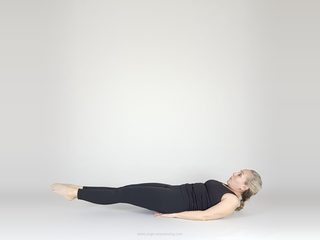
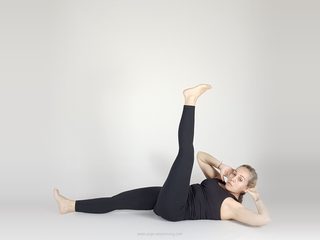
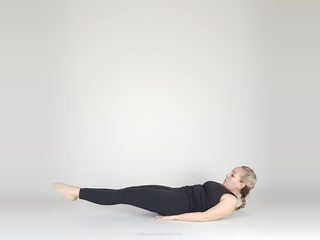
Dead Bug Pose is a highly effective core stability exercise that strengthens the deep abdominal muscles while teaching coordination between the upper and lower body. With arms and legs lifted while lying on the back, practitioners maintain a neutral spine as they create controlled movements. This pose is particularly valuable for building the core stability needed for more advanced yoga poses and for protecting the lower back in daily activities.
Muscles Worked in Dead Bug Pose
Dead Bug Pose works the abdominals — the rectus abdominis and the deep transversus abdominis — to keep the lower back steady on the mat, while the hip flexors hold the bent legs up. It is a strengthening pose with no major stretch.
Working
- Abdominals (rectus abdominis)
- Deep core (transversus abdominis)
- Hip flexors (iliopsoas)
Stretching
Dead Bug has no major stretch — it trains the core to hold the spine still while the limbs are loaded.
Also holding you steady: your obliques and rotator cuff.
Variations and joint actions
- Opposite arm and leg reach: Lowering one arm and the opposite leg toward the floor makes the abdominals work harder to stop the lower back from arching.
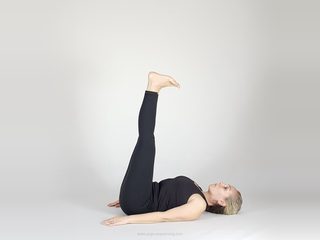
- Legs straight up: Straightening the legs toward the ceiling adds a hamstring stretch and makes the legs harder to hold steady.
- Spine neutral, lower back resting on the mat
- Hips flexion, about 90°
- Knees flexion, about 90°
- Shoulders flexion, arms vertical
- Elbows extension
Roles are qualitative — this section does not measure how hard any muscle works. References: Leslie Kaminoff & Amy Matthews, Yoga Anatomy (Human Kinetics); Ray Long, The Key Muscles of Yoga (Bandha Yoga).
Step-by-Step Instructions
- 1
Lie on your back
- 2
Lift arms toward ceiling
- 3
Lift legs with knees bent 90 degrees
- 4
Press lower back into mat
- 5
Hold stable position
- 6
Add movements if desired
Alignment Cues
- Slow controlled breathing
- Keep lower back pressed down
- Engage core throughout
- Move with intention
Benefits
- Builds deep core stability
- Improves coordination
- Protects lower back
- Strengthens hip flexors
- Teaches neutral spine alignment
- Transfers to daily activities
Modifications
- Support head
- Keep feet on floor
Variations
- With alternating movements
- With holds
Cautions & Contraindications
Cautions
- Keep spine neutral
- Move with control
Avoid this pose if you have:
- Lower back pain
Quick Facts
Primary Focus
coreSecondary Focus
Suggested Hold
30 seconds
Tags
Equipment