
Table of Contents
Introduction
The vagus nerve is the internet-famous "reset button" for your nervous system — and yoga has been toning it for thousands of years, long before the term went viral. If you feel anxious, wired, or stuck in stress mode, learning to stimulate your vagus nerve can help you shift into calm.
This guide explains what the vagus nerve is, how yoga stimulates it, and the specific breathing, humming, and gentle yoga poses for the vagus nerve — finishing with a 10-minute vagus nerve reset you can do anywhere.
This article is educational and not medical advice. Vagus-nerve practices are gentle wellness tools, not a treatment for medical conditions. If you have heart, blood-pressure, or neurological concerns, check with a clinician first.
What Is the Vagus Nerve?
The vagus nerve is the longest nerve of your parasympathetic ("rest and digest") nervous system, running from the brainstem down through the throat, chest, and belly. It is the main brake on your stress response: good "vagal tone" means you calm down faster after stress, sleep better, and feel more emotionally steady.
This is the heart of polyvagal ideas that have made "regulate your nervous system" a 2026 wellness headline. The practical takeaway: you can train your vagus nerve — and yoga is one of the most pleasant ways to do it.
How Yoga Stimulates the Vagus Nerve
Yoga hits several of the known vagus-nerve levers at once:
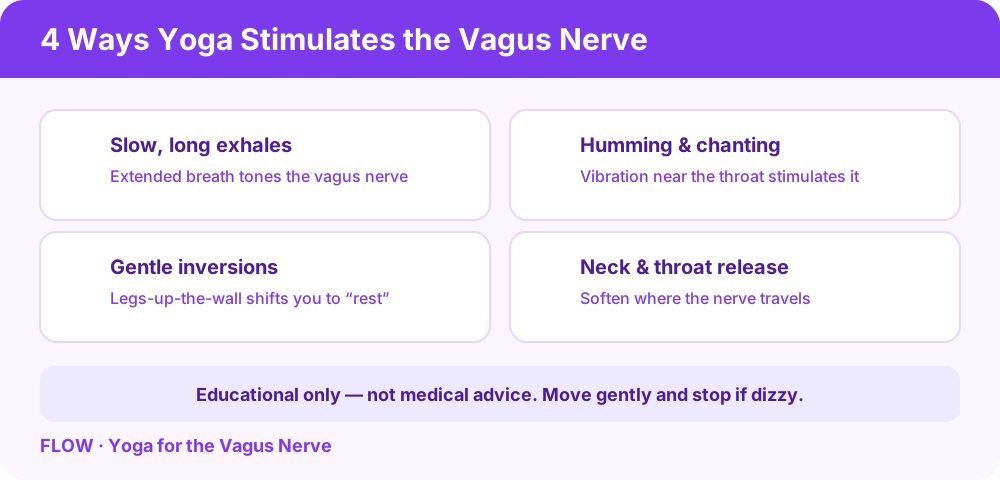
Notice the theme: slow, soft, and inward — never forceful.
A Quick Safety Note
Vagus-nerve yoga is gentle by design. Still:
Build this sequence on your phone
The same 420+ pose library and drag-and-drop builder, free on iPhone, iPad and Android.
7 Poses & Practices for the Vagus Nerve
1. Long-Exhale Breathing
Inhale for four, exhale for six to eight. Two to three minutes here alone shifts your state. This is the foundation.
2. Bhramari (Humming Bee Breath)
Inhale, then hum a low "mmm" on a long exhale, feeling the vibration in your face and throat. Repeat 6–8 rounds.
3. Gentle Cat-Cow with Breath
Move slowly through Cat-Cow, syncing long exhales to the movement.
4. Seated Neck Release
Slow ear-to-shoulder and gentle chin-to-chest movements to soften where the vagus nerve travels. Never force or roll the head fully back.
5. Supported Bridge
A gentle Bridge with a block under the sacrum opens the chest and throat softly — calming, not stimulating.
6. Legs-Up-the-Wall
A restful, gentle inversion that reliably shifts you toward rest-and-digest. Stay 3–5 minutes; see our wall yoga guide.
7. Savasana with a Long-Exhale Focus
Finish in Savasana, keeping the exhale longer than the inhale. The reset lands in the quiet.
A 10-Minute Vagus Nerve Reset
A quick nervous system regulation flow for anxious or wired moments:
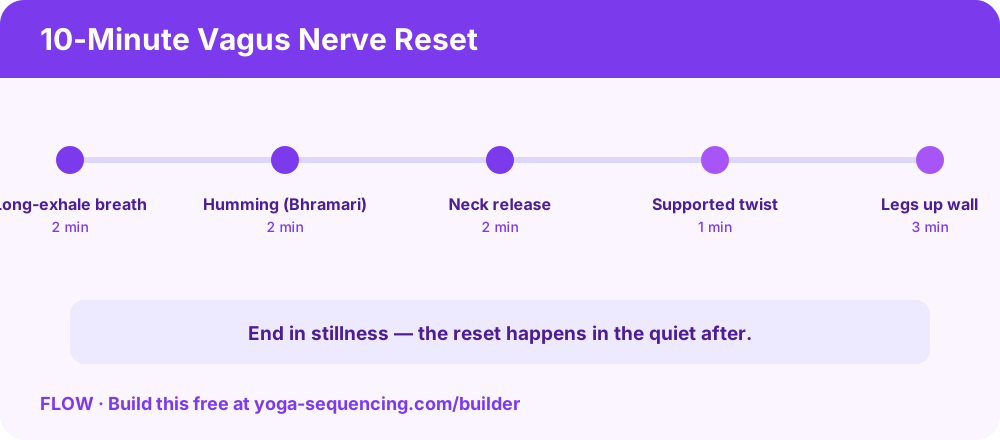
End in stillness for a minute or two. This pairs well with our yoga for stress and anxiety and yoga for headaches routines.
Build Your Own Reset
Design a short vagus-nerve routine you can reach for the moment stress hits:
FLOW's free sequence builder lets you save this reset, set calm timing, and add cues like "hum on the exhale" — then reopen it anytime. Browse the pose library or remix a sequence. New to sequencing? See how to create a yoga sequence.
Save your vagus nerve reset: Open the free sequence builder →
Frequently Asked Questions
Frequently Asked Questions (7)
How does yoga stimulate the vagus nerve?
Yoga stimulates the vagus nerve mainly through slow breathing with long exhales, humming and chanting (which vibrate the throat), gentle inversions like Legs-Up-the-Wall, and softening the neck, throat, and jaw where the nerve travels. Together these raise vagal tone and shift you into a calm, rest-and-digest state.
What are the best yoga poses for the vagus nerve?
Effective vagus-nerve practices include long-exhale breathing, Bhramari (humming bee breath), gentle Cat-Cow, seated neck release, supported bridge, Legs-Up-the-Wall, and Savasana with a long-exhale focus. All are slow and gentle — the vagus nerve responds to calm, not effort.
What is the fastest way to reset the vagus nerve?
The quickest lever is breathing with a longer exhale than inhale, such as inhaling for four and exhaling for six to eight, often combined with humming. A few minutes shifts your nervous system toward calm. Follow it with Legs-Up-the-Wall for a deeper reset.
Can vagus nerve yoga help with anxiety?
Yes. Anxiety is a stress-state, and vagus-nerve practices activate the parasympathetic nervous system that counters it — easing anxious feelings and helping you feel grounded. Use long-exhale breathing, humming, and gentle poses. For persistent anxiety, also seek professional support.
What is polyvagal yoga?
Polyvagal yoga applies ideas from polyvagal theory — how the vagus nerve governs our sense of safety and stress — to yoga. In practice it means slow, gentle, sensation-aware practice with long exhales, humming, and calming poses designed to build vagal tone and nervous-system regulation.
How often should I do vagus nerve yoga?
A short daily practice of a few minutes of long-exhale breathing and humming builds vagal tone over time better than occasional long sessions. You can also use a quick reset whenever you feel wired or anxious. Consistency and gentleness matter most.
Is humming really good for the vagus nerve?
Yes. Humming and chanting create vibration around the throat and inner ear that stimulate branches of the vagus nerve, which is why Bhramari (bee breath) and chanting Om are traditional calming practices. Hum on a long, slow exhale for the best effect.