
Table of Contents
Introduction
Somatic yoga is having a moment — and for good reason. In a world of high stress and overstimulated nervous systems, more people want to move slowly, feel more, and heal tension from the inside out rather than chase the perfect pose. Somatic yoga is exactly that: a gentle, inward, sensation-led practice anyone can do.
This beginner guide answers what somatic yoga is, how it differs from regular yoga, the benefits, six gentle somatic movements, and a calming somatic yoga sequence you can do at home today.
What Is Somatic Yoga?
Somatic yoga combines yoga with somatic movement — slow, mindful movement guided by internal sensation (your "felt sense") rather than by how a pose looks. "Soma" means the body as experienced from within.
Instead of reaching for a shape, you move slowly and pay close attention to what you feel: where you hold tension, how a movement changes it, what wants to soften. Movements are often small, repeated, and exploratory. There is no goal to touch your toes and no "advanced" version to reach. The point is to reconnect your brain and body and calm your nervous system.
Somatic Yoga vs Regular Yoga
They are cousins, not opposites — and they complement each other beautifully.
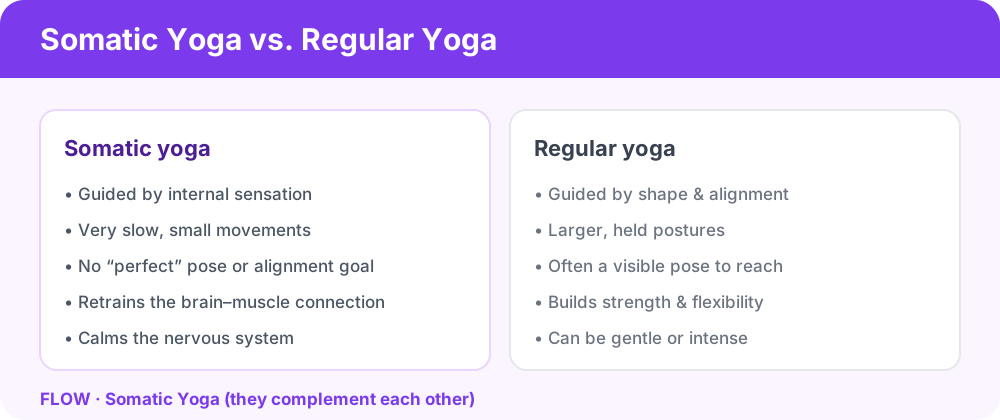
| Somatic Yoga | Regular Yoga | |
|---|---|---|
| Pace | Very slow, small movements | Held postures, varied pace |
| Goal | Release tension, feel more | Strength, flexibility, a pose |
| Focus | Brain–body reconnection | Body position and breath |
| Best for | Stress, tension, beginners | Fitness, mobility, all levels |
If regular yoga is doing a pose, somatic yoga is sensing a movement. Many teachers now weave somatic cues into ordinary classes.
Build this sequence on your phone
The same 420+ pose library and drag-and-drop builder, free on iPhone, iPad and Android.
Benefits of Somatic Yoga
Because it is slow and nervous-system-friendly, somatic yoga is especially good for:
It pairs naturally with our guides to yoga for stress and anxiety and restorative yoga for better sleep.
6 Gentle Somatic Movements
Do each slowly, for 1–2 minutes, following sensation rather than a shape.
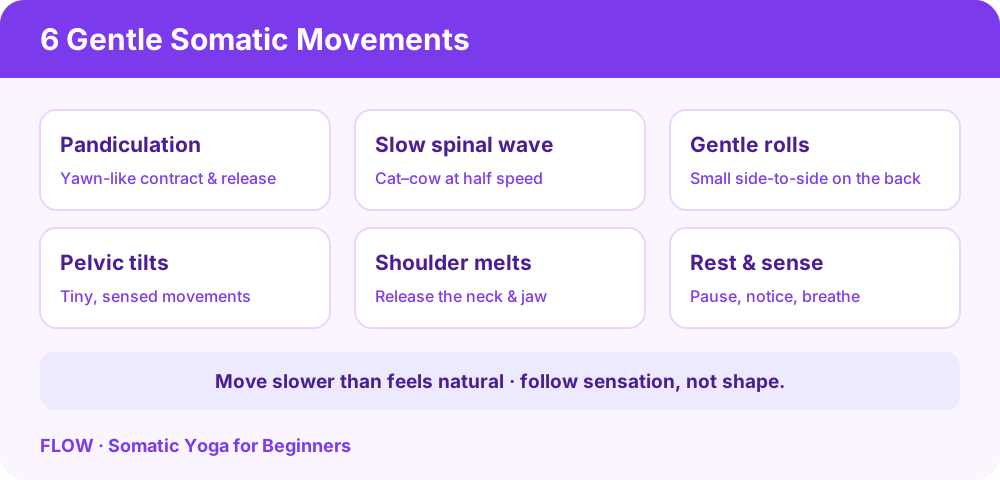
1. Pandiculation
The natural "yawn and stretch" your body does on waking — gently contract a muscle, then slowly release it further than where you started. The signature somatic move for releasing tight muscles.
2. Slow Spinal Wave
Cat-Cow at half speed, sensing each vertebra move. Explore tiny variations rather than a big arch.3. Gentle Rolls
Lying on your back, roll your knees or head slowly side to side, noticing the floor and the release.
4. Pelvic Tilts
Tiny, sensed rocking of the pelvis. Feel the lower back soften into the mat.
5. Shoulder and Jaw Melts
Slowly lift and release the shoulders; unclench the jaw. So much stress lives here.
6. Rest and Sense
Pause completely. Notice your breath and body. The stillness is the practice, not a break from it.
A 20-Minute Somatic Yoga Sequence
A calming somatic yoga sequence at home, ideally in a warm, quiet space:
Move slower than feels natural. If your mind says "is this even doing anything?", you are probably doing it right.
For Yoga Teachers
Somatic cues make any class more accessible and nervous-system-aware. Try:
It aligns closely with trauma-aware teaching and the broader 2026 shift toward slower, regulation-focused yoga.
Build Your Own Somatic Practice
Design a short somatic flow you will actually return to:
FLOW's free sequence builder lets you save your somatic sequence, set unhurried hold times, and add cues like "half speed" or "follow sensation." Browse the pose library or remix a ready-made sequence. New to sequencing? Read how to create a yoga sequence.
Save your somatic flow: Open the free sequence builder →
Frequently Asked Questions
Frequently Asked Questions (7)
What is somatic yoga?
Somatic yoga is a slow, gentle practice that combines yoga with somatic movement — moving by internal sensation (your felt sense) rather than by how a pose looks. The goal is to release tension, reconnect the brain and body, and calm the nervous system, not to reach a perfect posture.
How is somatic yoga different from regular yoga?
Regular yoga is guided by shape, alignment, and often a target pose, and can build strength and flexibility. Somatic yoga is guided by internal sensation, uses very slow and small movements, and focuses on releasing tension and calming the nervous system. They complement each other well.
Is somatic yoga good for beginners?
Yes — it is one of the most beginner-friendly practices. There is no flexibility, strength, or experience required, no advanced version to reach, and no risk of forcing a pose. You simply move slowly and follow sensation, which makes it accessible to almost everyone.
What are examples of somatic movements?
Common somatic movements include pandiculation (a slow contract-and-release, like a yawn-stretch), slow spinal waves (Cat-Cow at half speed), gentle knee or head rolls, small pelvic tilts, shoulder and jaw melts, and simply resting and sensing the body. Each is done slowly, following what you feel.
Can somatic yoga help with stress and anxiety?
Yes. Because it is slow and sensation-led, somatic yoga shifts the nervous system into a rest-and-digest state, which lowers stress and eases anxiety. Practiced gently in the evening, it can also improve sleep. It pairs well with restorative yoga and long-exhale breathing.
How long should a somatic yoga session be?
Even 10 to 20 minutes is effective, and consistency matters more than length. A short daily practice of slow movements and resting builds body awareness and reduces baseline tension over time. You can also weave a few somatic minutes into the start of any regular yoga session.
Do I need any equipment for somatic yoga at home?
No special equipment is needed — just a comfortable, warm, quiet space and a mat or soft floor. A blanket or cushion can support the body in resting positions. Because movements are small and slow, you also need very little room.