Neutral Tabletop
Bharmanasana
About This Pose
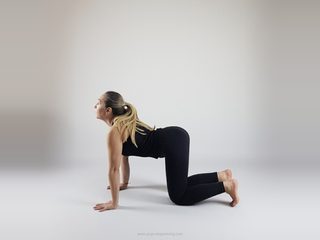
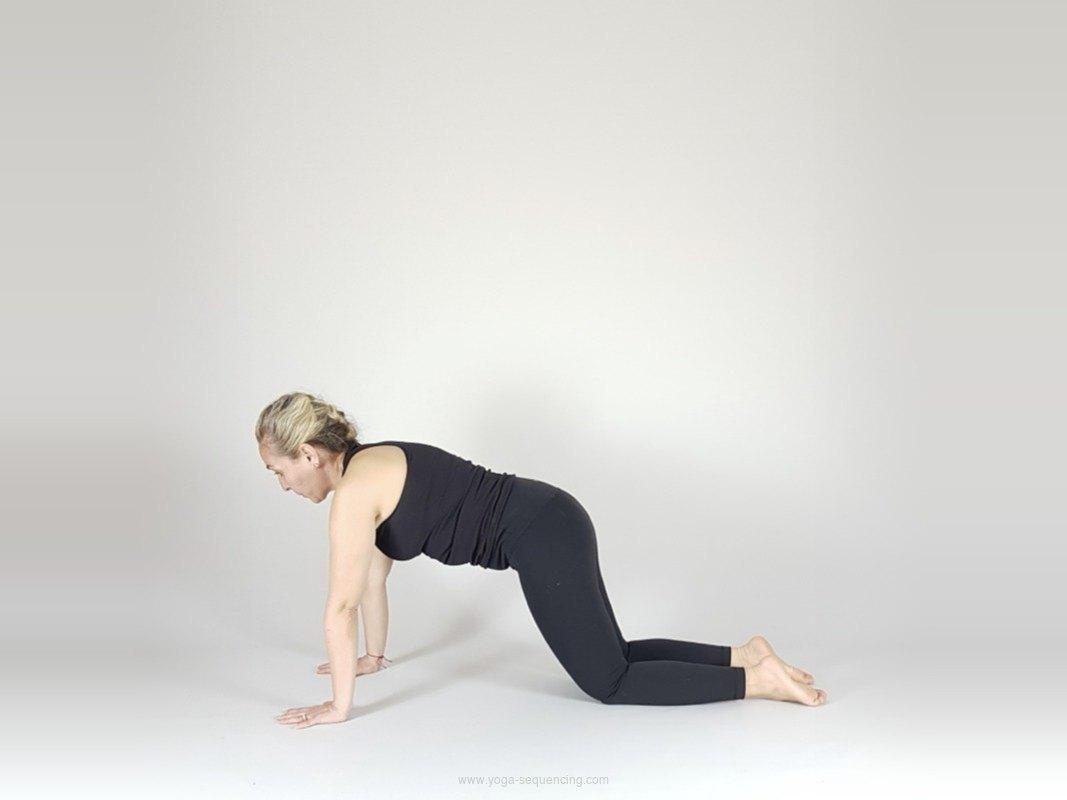
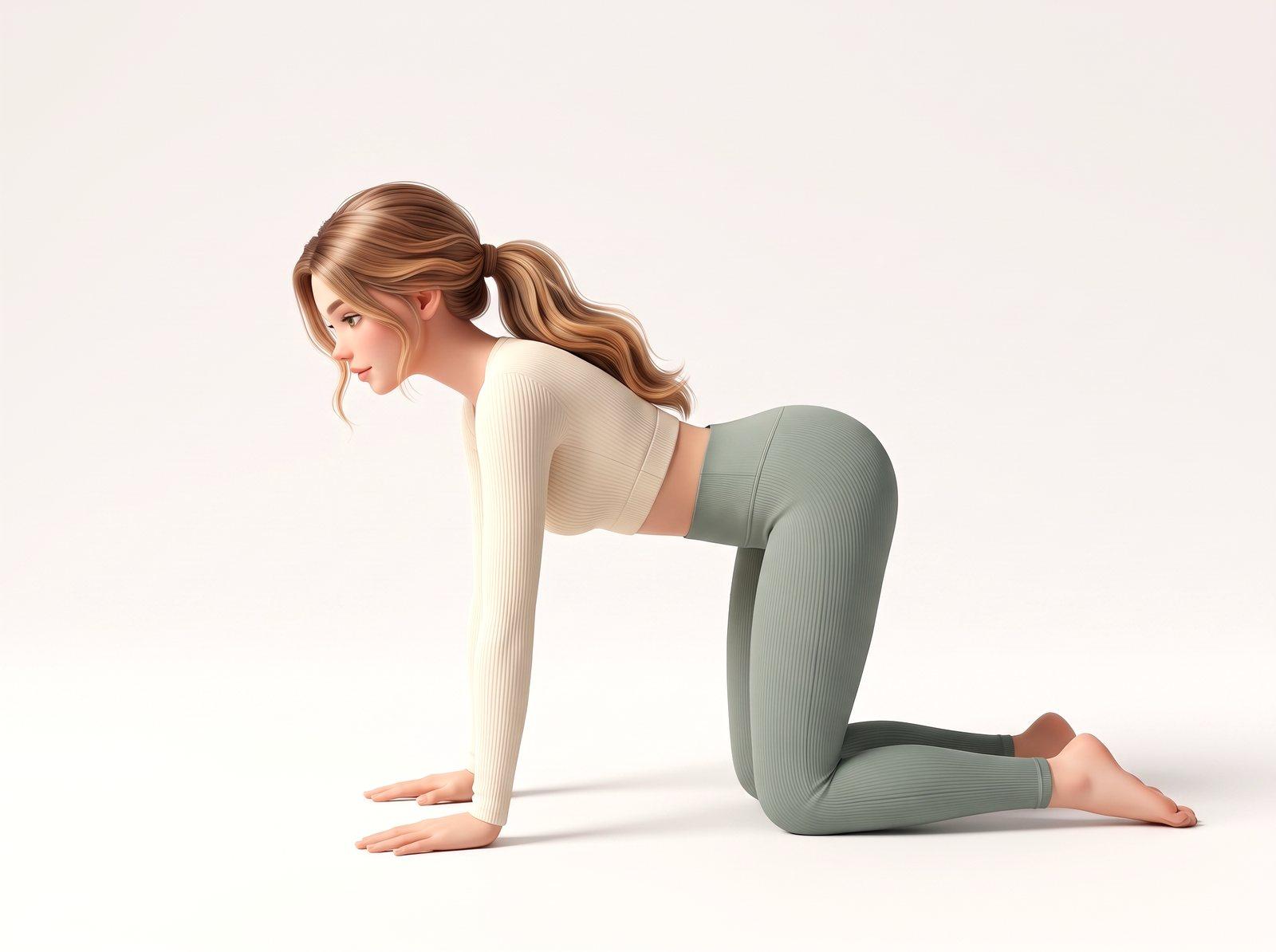
Neutral Tabletop (Bharmanasana) is the fundamental hands-and-knees position that serves as the foundation for countless yoga poses and transitions. With wrists under shoulders and knees under hips, this position establishes the neutral spine alignment referenced throughout practice. Mastering tabletop alignment prevents strain and prepares the body for safe movement.
Muscles Worked in Neutral Tabletop
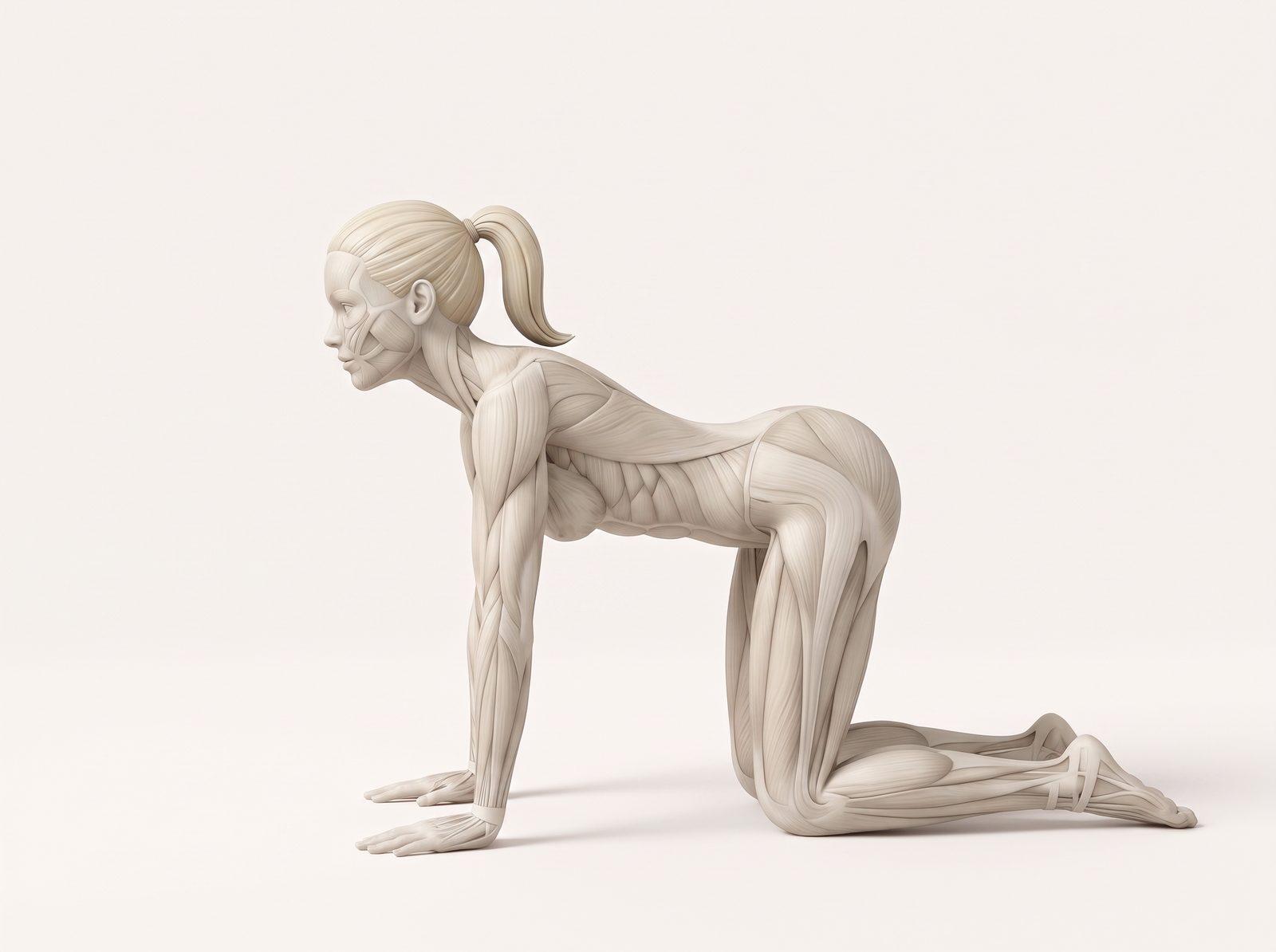
Tabletop is a neutral hands-and-knees position: the arms and shoulders carry part of the body weight while the core and back muscles keep the spine level. Nothing works hard and nothing is stretched much — it is the base for cat-cow, bird dog and many transitions.
Working
A neutral base — the arms carry some weight and the core keeps the spine level, but no muscle group works hard.
Stretching
Tabletop is a neutral position with no major stretch.
Also holding you steady: your core, the muscles along your spine, serratus anterior, which keeps the shoulder blades flat and rotator cuff.
Variations and joint actions
- Toes tucked: Curling the toes under adds a stretch for the soles of the feet and prepares for lifting the knees.
- Fists or forearms: For sore wrists, fists or forearms on the mat take the wrists out of extension.
- Shoulders flexion, about 90°, hands on the mat
- Elbows extension
- Wrists extension
- Hips flexion, about 90°, knees under the hips
- Knees flexion, about 90°
- Ankles plantar flexion, tops of the feet down
- Spine neutral
Roles are qualitative — this section does not measure how hard any muscle works. References: Leslie Kaminoff & Amy Matthews, Yoga Anatomy (Human Kinetics); Ray Long, The Key Muscles of Yoga (Bandha Yoga).
Step-by-Step Instructions
- 1
Come onto all fours on the mat
- 2
Position wrists directly under shoulders
- 3
Position knees directly under hips
- 4
Spread fingers wide and press evenly through the hands
- 5
Keep the spine in neutral—neither arched nor rounded
- 6
Engage the core lightly
- 7
Gaze down between your hands
Alignment Cues
- Stack joints precisely
- Maintain neutral spine
- Engage the core
- Keep the neck long
Benefits
- Establishes neutral spine
- Foundation for many poses
- Teaches proper alignment
- Prevents strain
- Reference position
- Safe starting point
Modifications
- Use fists if wrists are sensitive
- Place blanket under knees
Variations
- Tuck or untuck toes
Cautions & Contraindications
Cautions
- Avoid locking the elbows
- Keep the neck neutral
Avoid this pose if you have:
- Wrist pain
- Knee injury
Quick Facts
Primary Focus
spineSecondary Focus
Suggested Hold
30 seconds
Tags
Equipment