Forearm Plank Hold
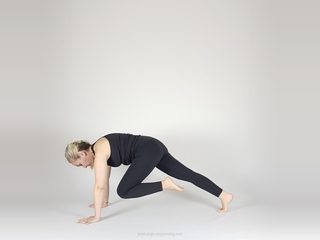
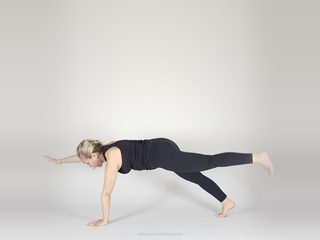
Makara Adho Mukha Svanasana Hold
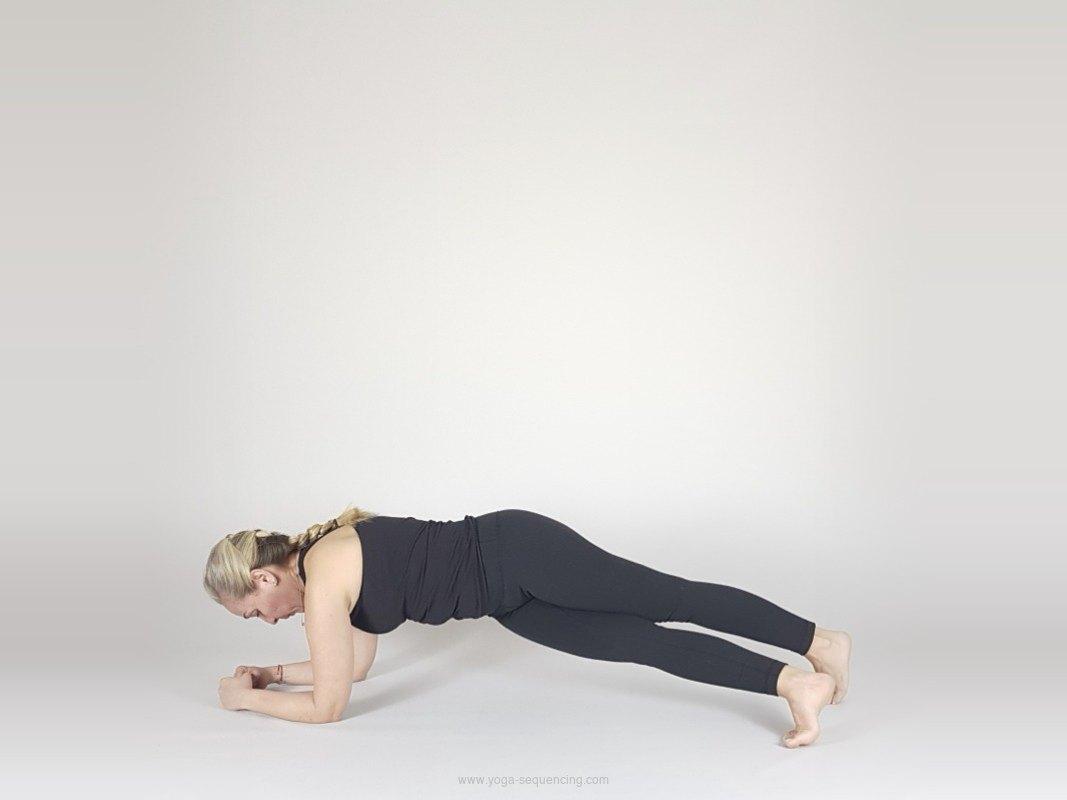
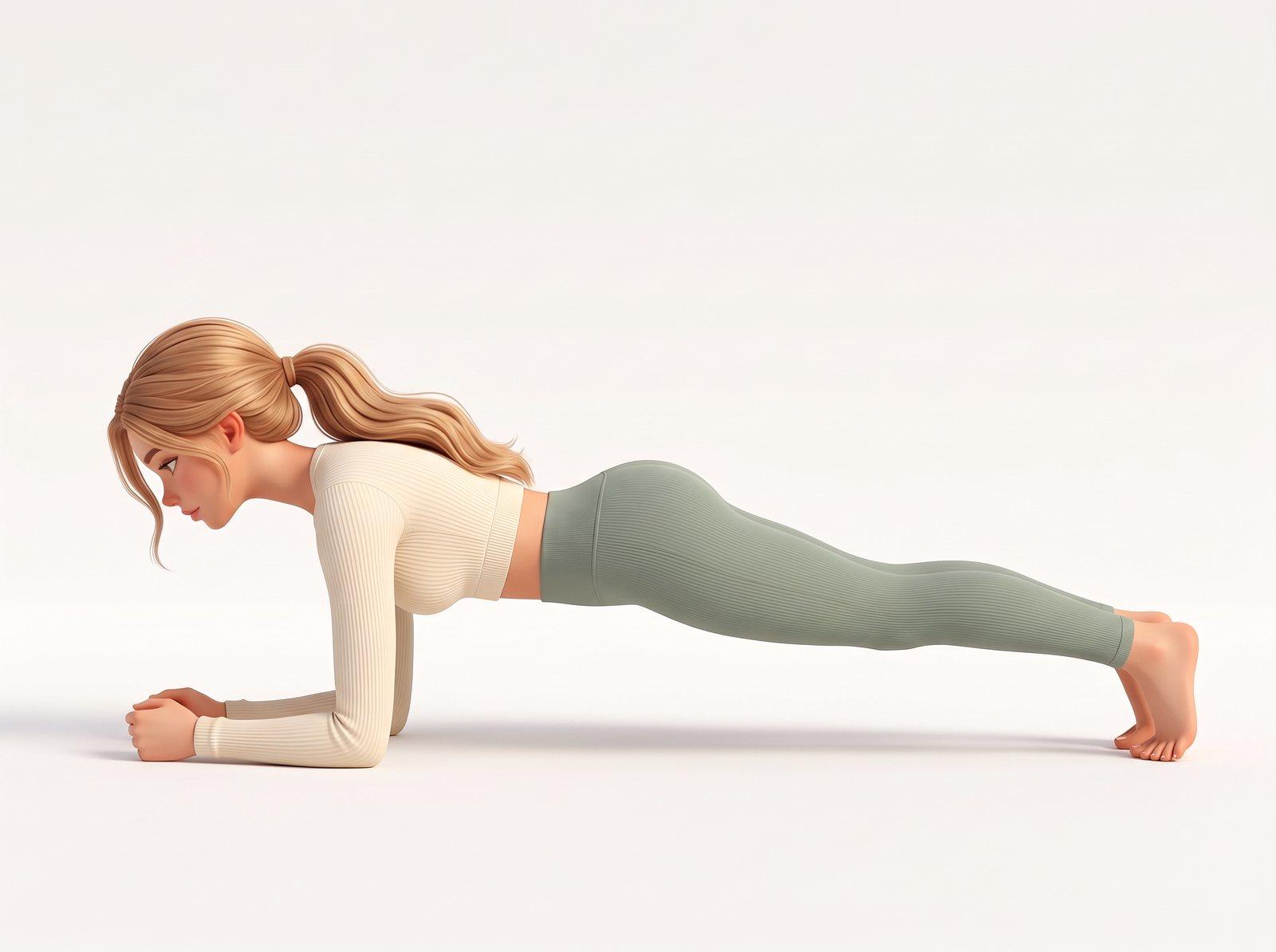
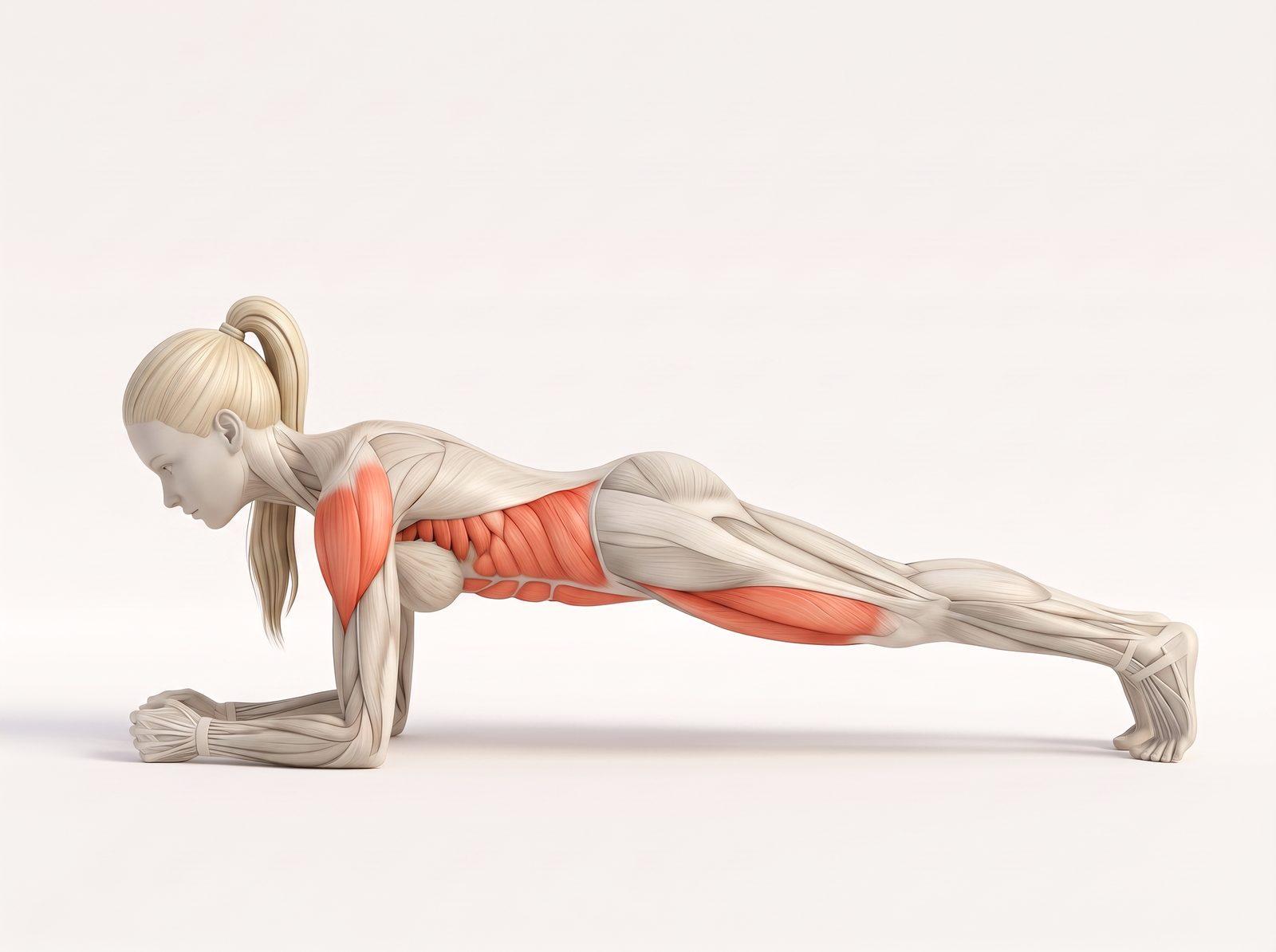
Working: Abdominals, Obliques, Front of the shoulders, Serratus anterior, Quadriceps
Full muscle breakdown ↓About This Pose
Forearm Plank Hold is the sustained version of plank performed on the forearms rather than hands. This position distributes weight across the entire forearm, making it more accessible for those with wrist issues while providing an equally challenging core workout. It's a staple in both yoga and fitness training.
Muscles Worked in Forearm Plank Hold
Forearm Plank works the abdominals, the front of the shoulders and the serratus anterior to hold the body in one long line on the forearms and toes, while the quadriceps keep the knees straight. There is no real stretch — it is a strength hold.
Working
- Abdominals (rectus abdominis, transversus abdominis)
- Obliques (external and internal obliques)
- Front of the shoulders (anterior deltoids)
- Serratus anterior
- Quadriceps (quadriceps femoris)
Stretching
Forearm Plank is a strength hold with no major stretch.
Also holding you steady: your glutes, which stop the hips from sagging, the muscles along your spine and rotator cuff.
Variations and joint actions
- Knees down: Lowering the knees shortens the lever and makes the abdominal work much lighter.
- Forearms parallel: Palms flat and forearms parallel spreads the load and asks the shoulders to stabilise a little more.
- Shoulders flexion, about 90°, elbows under the shoulders
- Elbows flexion, about 90°, hands clasped
- Spine neutral
- Hips neutral to slight flexion
- Knees extension
- Ankles dorsiflexion, toes tucked
Roles are qualitative — this section does not measure how hard any muscle works. References: Leslie Kaminoff & Amy Matthews, Yoga Anatomy (Human Kinetics); Ray Long, The Key Muscles of Yoga (Bandha Yoga).
Step-by-Step Instructions
- 1
Set up in Forearm Plank with proper alignment
- 2
Engage all muscles of the core
- 3
Set your gaze on a fixed point
- 4
Breathe slowly and steadily
- 5
Focus on quality of alignment over time
- 6
Build from 30 seconds toward 2+ minutes
- 7
Release with control
Alignment Cues
- Quality over quantity
- Keep breathing steadily
- Maintain neutral spine
- Engage everything but don't grip
Benefits
- Core endurance building
- Wrist-friendly position
- Accessible challenging pose
- Full core engagement
- Fitness staple
- Builds mental toughness
Modifications
- Drop knees for support
- Take breaks as needed
Variations
- Close eyes for added challenge
Cautions & Contraindications
Cautions
- Avoid holding breath
- Maintain proper alignment throughout
Avoid this pose if you have:
- High blood pressure
- Shoulder pain
Quick Facts
Primary Focus
coreSecondary Focus
Suggested Hold
60 seconds
Tags
Equipment