Active Child's Pose
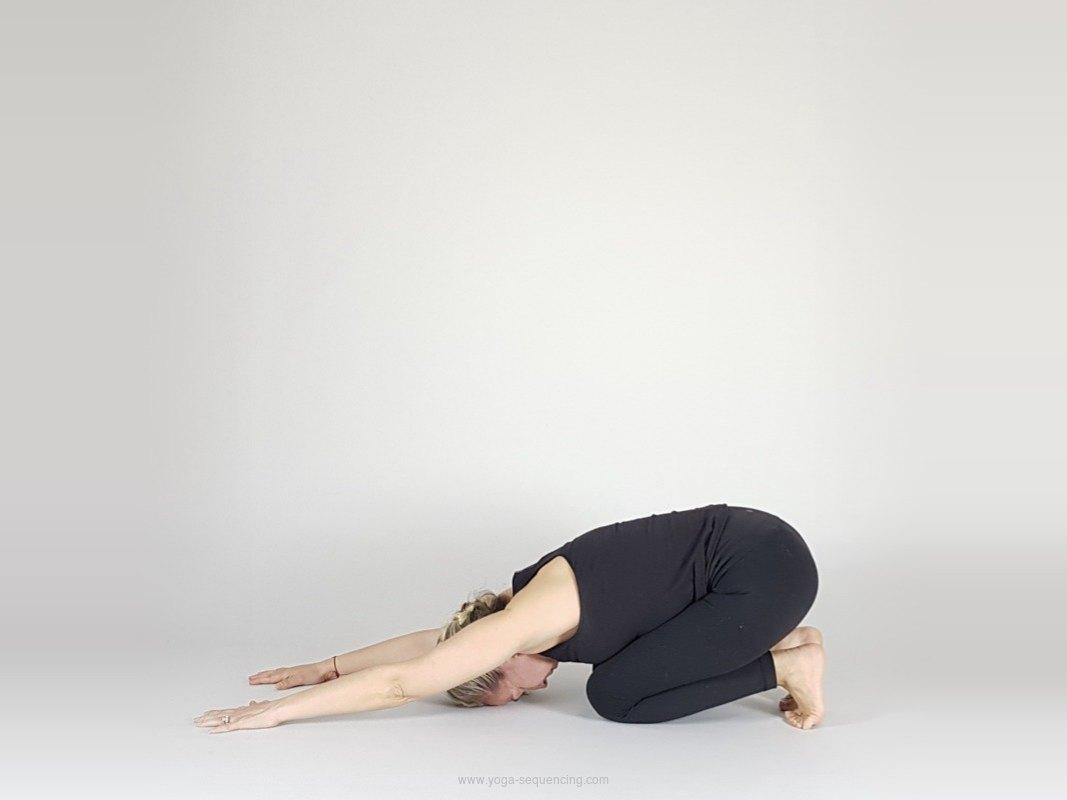
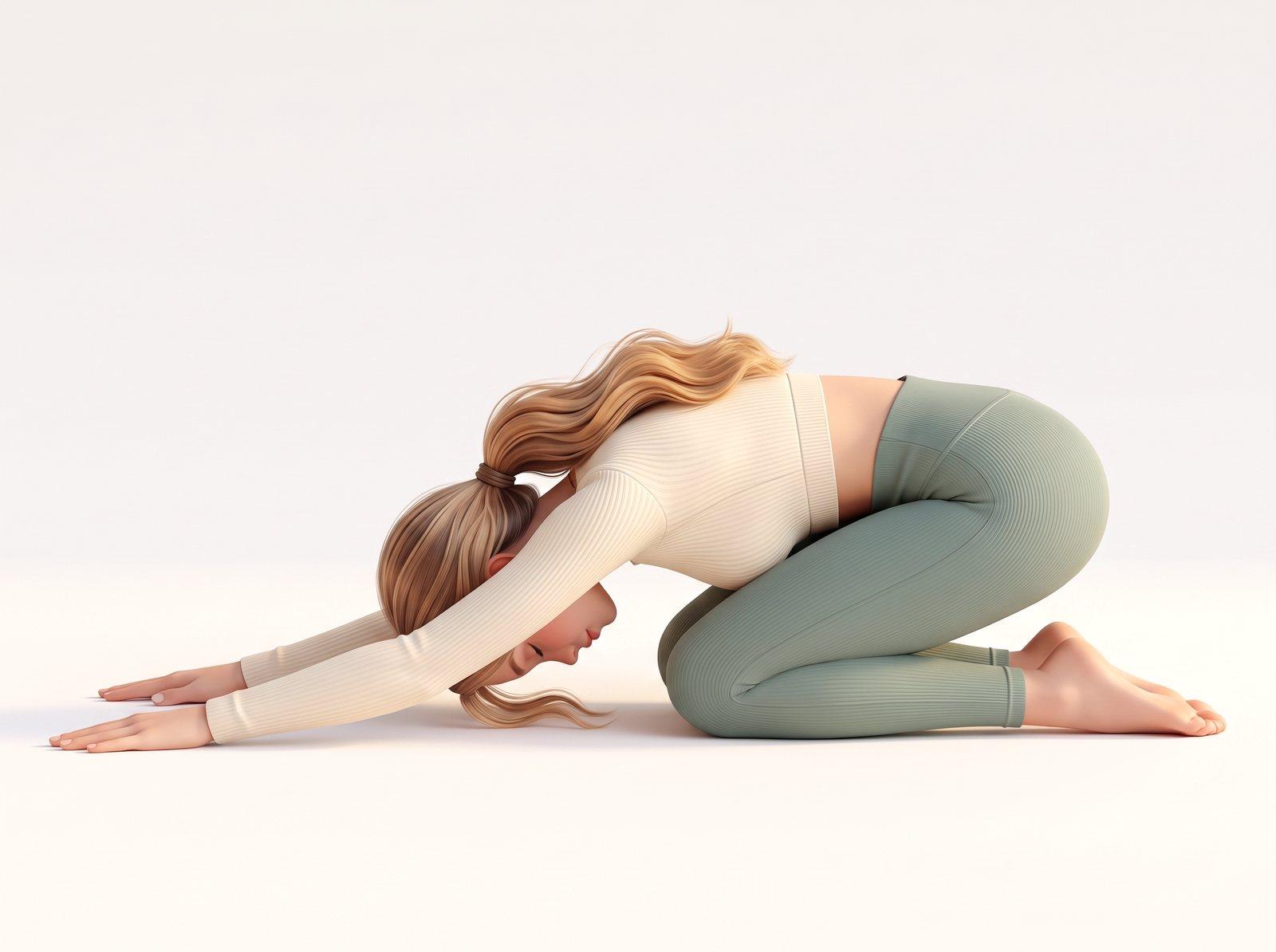
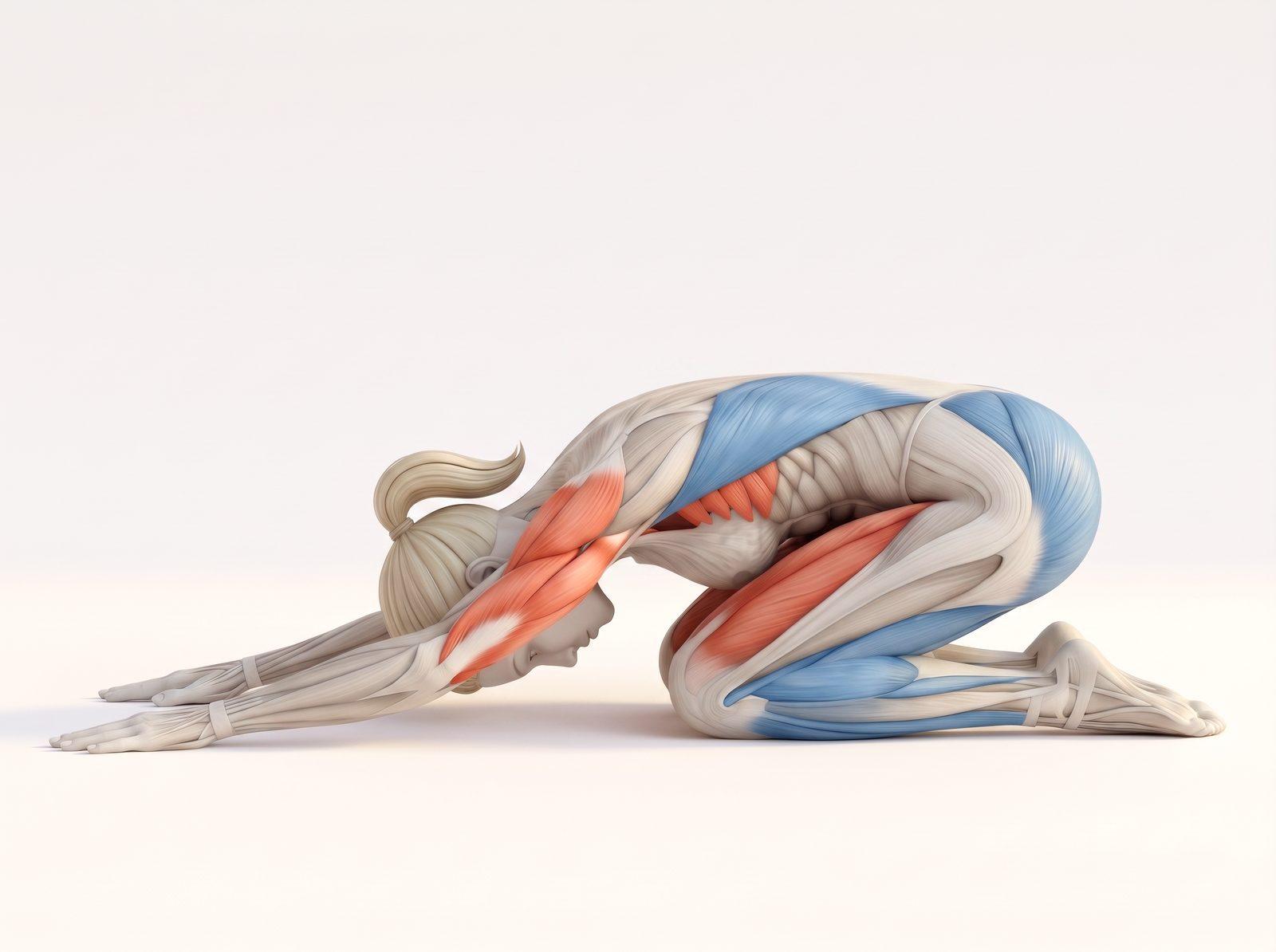
Working: Front of the shoulders, Serratus anterior
Stretching: Lats, Back muscles, Glutes, Shins
Full muscle breakdown ↓About This Pose
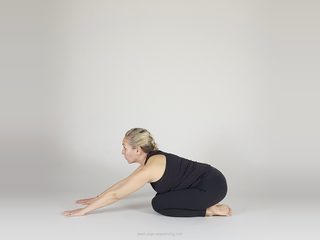
Active Child's Pose is a dynamic variation of the traditional resting posture that engages the upper body while maintaining the hip-opening benefits. By actively pressing the hands into the mat and reaching the arms forward, this pose strengthens the shoulders and upper back while stretching the spine. It's an excellent transitional pose that prepares the body for more challenging arm balances and inversions.
Muscles Worked in Active Child's Pose
Active Child's Pose stretches the lats, the back muscles and the glutes as the arms reach long in front, while the shoulders and serratus anterior work to keep the arms extended and the palms pressing into the mat.
Working
- Front of the shoulders (anterior deltoids)
- Serratus anterior
Stretching
- Lats (latissimus dorsi)
- Back muscles (erector spinae)
- Glutes (gluteus maximus)
- Shins (tibialis anterior)
Also holding you steady: your rotator cuff.
Variations and joint actions
- Resting Child's Pose: With the arms back alongside the body the shoulders stop working and the lat stretch goes; the pose becomes purely restful.
- Blanket between hips and heels: Takes pressure off the knees when the hips do not reach the heels.
- Hips deep flexion
- Knees deep flexion
- Ankles plantarflexion, tops of the feet on the mat
- Spine flexion
- Shoulders full flexion, arms reaching forward
- Elbows extension
Roles are qualitative — this section does not measure how hard any muscle works. References: Leslie Kaminoff & Amy Matthews, Yoga Anatomy (Human Kinetics); Ray Long, The Key Muscles of Yoga (Bandha Yoga).
Step-by-Step Instructions
- 1
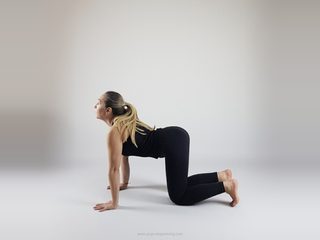
Start in tabletop position with hands shoulder-width apart
- 2
Lower your hips back toward your heels while keeping arms extended
- 3
Press firmly through your palms, spreading your fingers wide
- 4
Reach your fingertips forward as you draw your hips back
- 5
Engage your arms by lifting them slightly off the mat or pressing down actively
- 6
Keep your core lightly engaged to support the lower back
- 7
Hold for 5-8 breaths while maintaining active engagement
Alignment Cues
- Keep arms active and shoulders engaged
- Press through the entire palm, not just the heel of the hand
- Draw shoulder blades down the back
- Maintain length through the side body
Benefits
- Strengthens shoulders, arms, and upper back muscles
- Stretches the spine, hips, and thighs deeply
- Improves shoulder mobility and flexibility
- Builds awareness and engagement in a resting position
- Prepares the body for arm balances and inversions
Modifications
- Blanket support
Variations
- Active rest
Cautions & Contraindications
Cautions
- Engage arms
- Protect knees
Avoid this pose if you have:
- Knee pain
Quick Facts
Primary Focus
spineSecondary Focus
Suggested Hold
60 seconds
Tags
Equipment