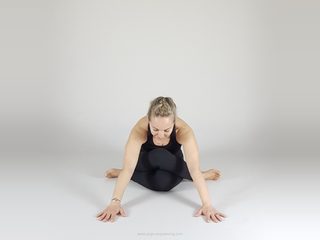
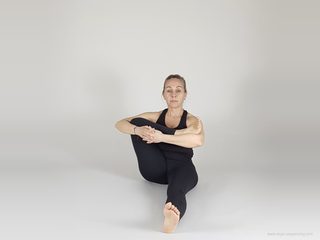
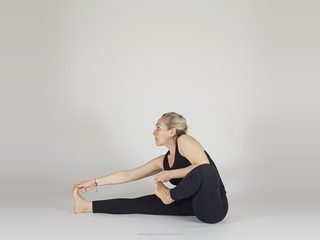
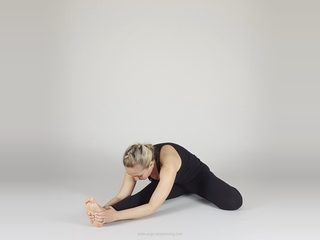
Restorative Seated Side Bend
Seated Side Bend Restorative
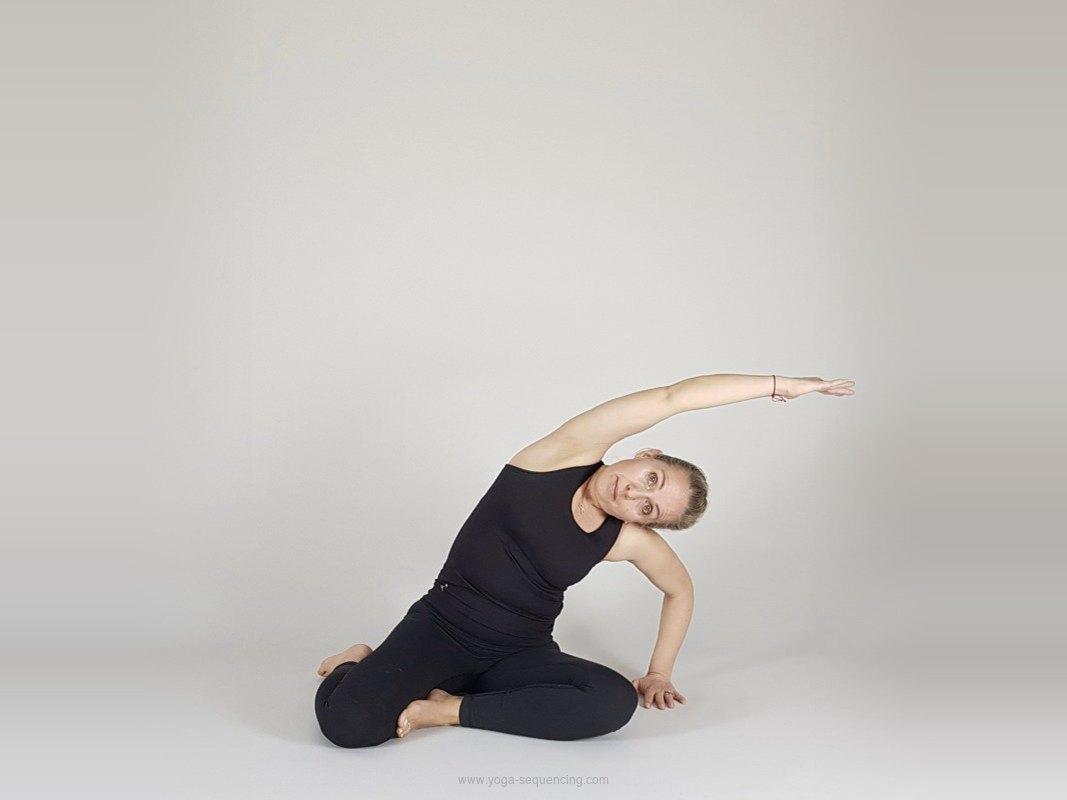
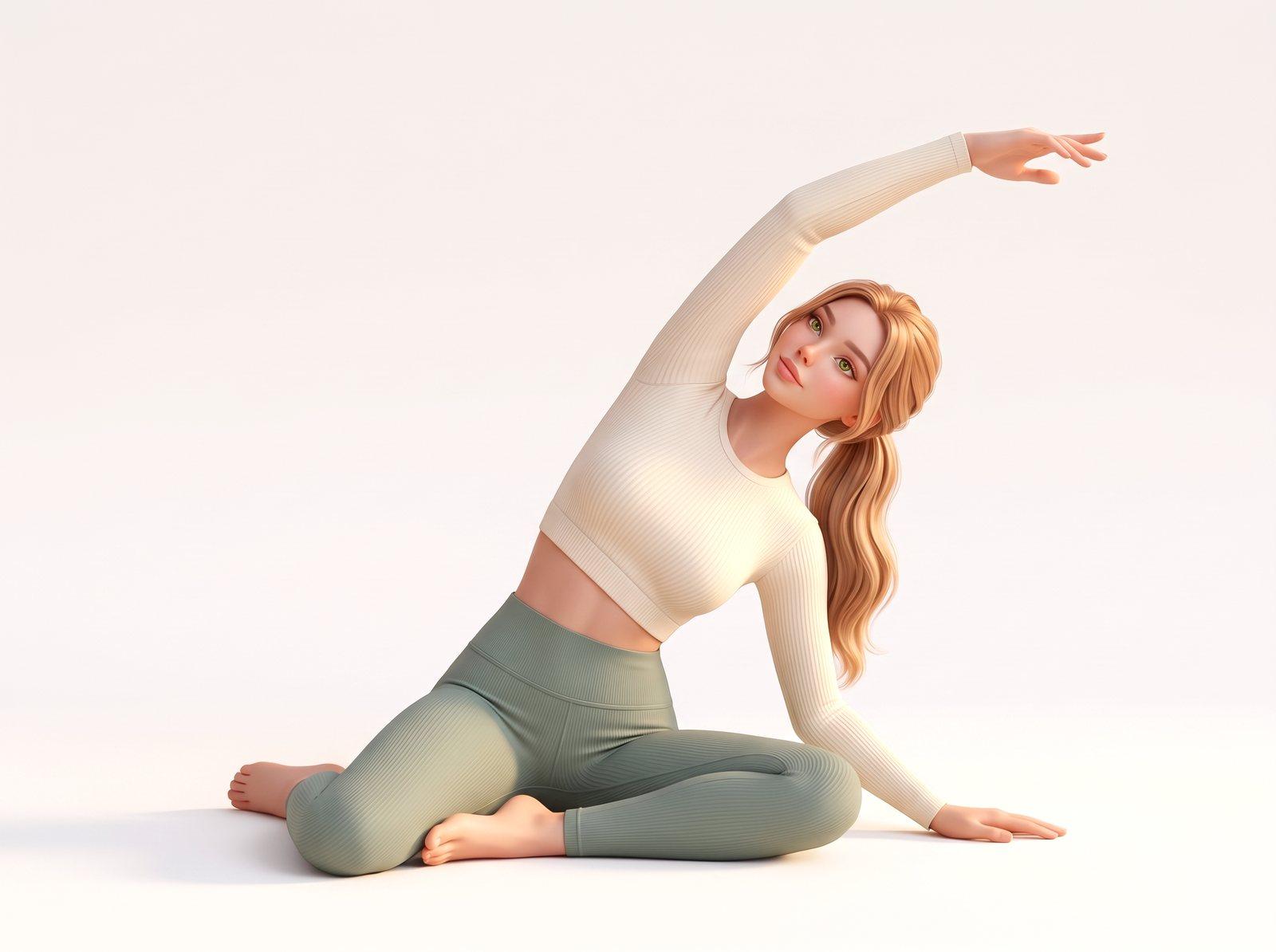
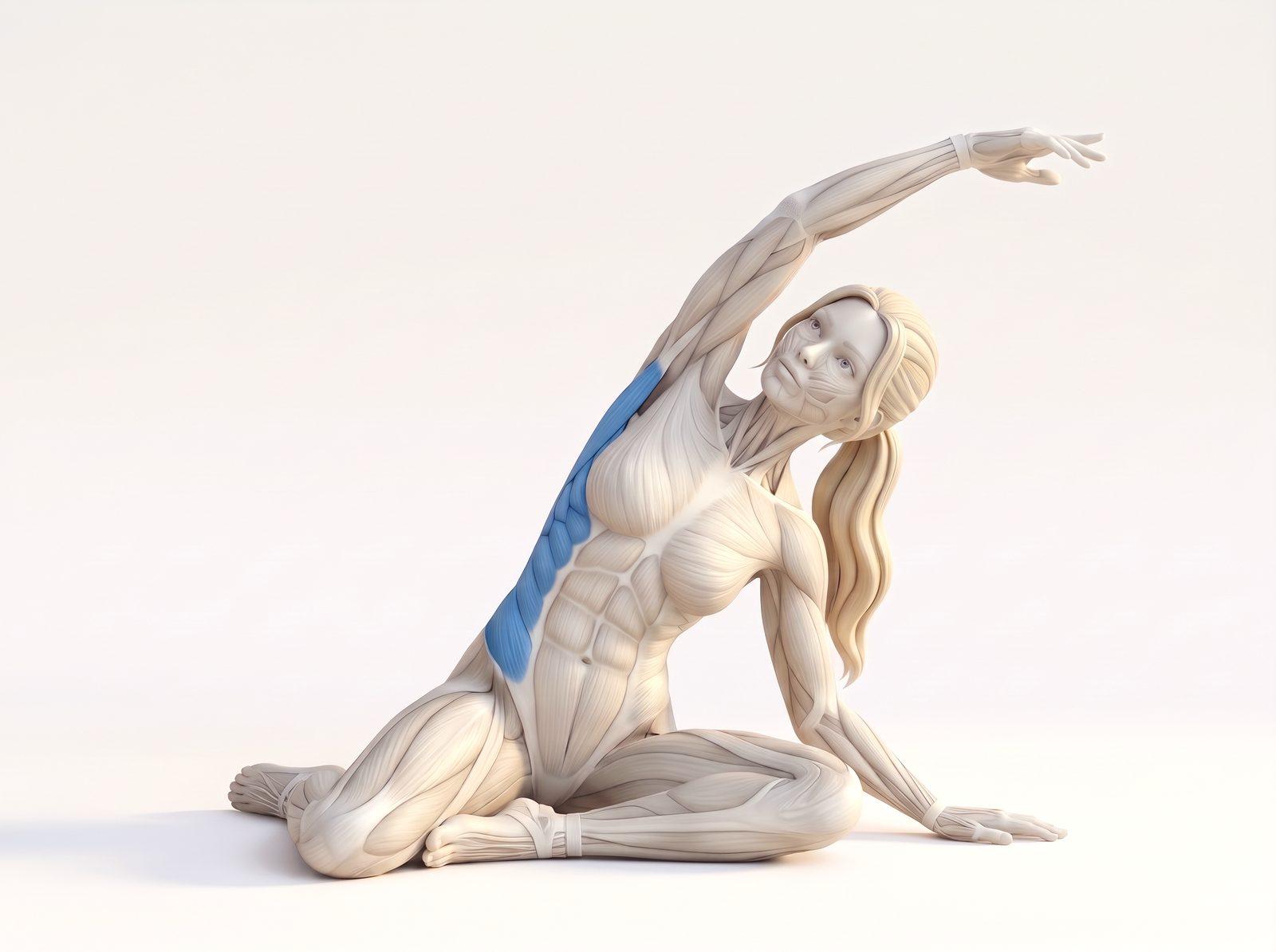
Stretching: Top-side lats, Top-side obliques, Top-side lower back
Full muscle breakdown ↓About This Pose
Restorative Seated Side Bend is a gentle lateral stretch that releases the side body while emphasizing ease and relaxation over intensity. This supported variation uses the arm or props to create a comfortable side stretch that can be held for extended periods. The restorative approach allows the intercostal muscles and side waist to release gradually. Regular practice improves lateral flexibility while providing calming benefits for the nervous system.
Muscles Worked in Restorative Seated Side Bend
Seated Side Bend leans the torso to one side from a cross-legged seat, with the bottom hand on the floor and the top arm reaching overhead. It stretches the top-side lats and obliques.
Working
A gentle stretch — the bottom hand props the bend and the raised arm is held up with light effort.
Stretching
- Top-side lats (latissimus dorsi)
- Top-side obliques (external and internal obliques)
- Top-side lower back (quadratus lumborum)
Also holding you steady: your core, bottom arm, which props the side bend and raised-arm shoulder.
Variations and joint actions
- Forearm down: Lowering the bottom forearm to the floor or a block deepens the bend while keeping it supported.
- Top hand behind the head: Bending the top elbow shortens the lever and softens the lat stretch.
- Spine lateral flexion toward the bottom hand
- Top shoulder full flexion, arm reaching over the head
- Bottom elbow flexion, hand on the floor
- Hips flexion, abduction and external rotation, legs crossed
- Knees deep flexion
Roles are qualitative — this section does not measure how hard any muscle works. References: Leslie Kaminoff & Amy Matthews, Yoga Anatomy (Human Kinetics); Ray Long, The Key Muscles of Yoga (Bandha Yoga).
Step-by-Step Instructions
- 1
Sit in comfortable position
- 2
Extend one arm overhead
- 3
Lean gently to opposite side
- 4
Support with other arm on floor
- 5
Let gravity assist the stretch
- 6
Breathe into the lengthened side
Alignment Cues
- Ground opposite hip
- Reach arm over ear
- Keep chest open
- Lengthen both sides
Benefits
- Gently releases side body
- Emphasizes ease over intensity
- Allows extended holding
- Releases intercostal muscles
- Calms nervous system
- Improves lateral flexibility
Modifications
- Use bolster
Variations
- Gentle side bend
Cautions & Contraindications
Cautions
- Avoid collapsing chest
Avoid this pose if you have:
- Shoulder pain
Quick Facts
Primary Focus
spineSecondary Focus
Suggested Hold
45 seconds
Tags
Equipment