Lower back pain in a yoga class is rarely one problem. Most often I'm looking at three students with three different causes: a disc-related complaint that hates flexion, an SI joint that hates asymmetry, and a paraspinal spasm that just needs heat and gentle movement. Teach one sequence to all three and someone leaves worse than they came. So I build this template to be neutral first — no deep forward folds, no aggressive twists, no unsupported back-bends — and offer two clearly named modifications throughout.
The architecture is simple. Start supine to take gravity off the spine. Reintroduce gentle flexion and extension in roughly equal measure. Strengthen the posterior chain before you stretch it. End in constructive rest, which I think is more useful than savasana for back pain because the lumbar curve stays supported.
What I avoid in this class: seated forward folds with straight legs, deep twists from a seated base, full wheel, plow, and any cued spinal rounding under load. Students with chronic lower back pain are usually under-strong in the glutes and over-mobile in the lumbar spine. The sequence reflects that. You'll see two glute-activation poses (bridge, locust) before any opening work, and the bridge holds are longer than most studio classes teach.
Who this sequence is for
Students with chronic non-specific lower back pain, mild sciatica, post-pregnancy back discomfort, and desk workers whose backs ache by Wednesday. Also useful as a recovery day for athletes who feel jammed up after heavy posterior-chain work.
Not appropriate without medical clearance for: acute disc herniation within the last six weeks, spondylolisthesis, recent spinal surgery, or any pain that radiates below the knee with numbness. Refer those students to a physical therapist first. Yoga can be part of recovery, but it isn't the first intervention.
How to teach (or practice) it
I teach this at a deliberately slow tempo — about half the cueing density of a standard vinyasa. Long pauses between poses let students notice what changed. If you talk continuously through a back-care class, you teach students to ignore their own signals, which is the opposite of what they need.
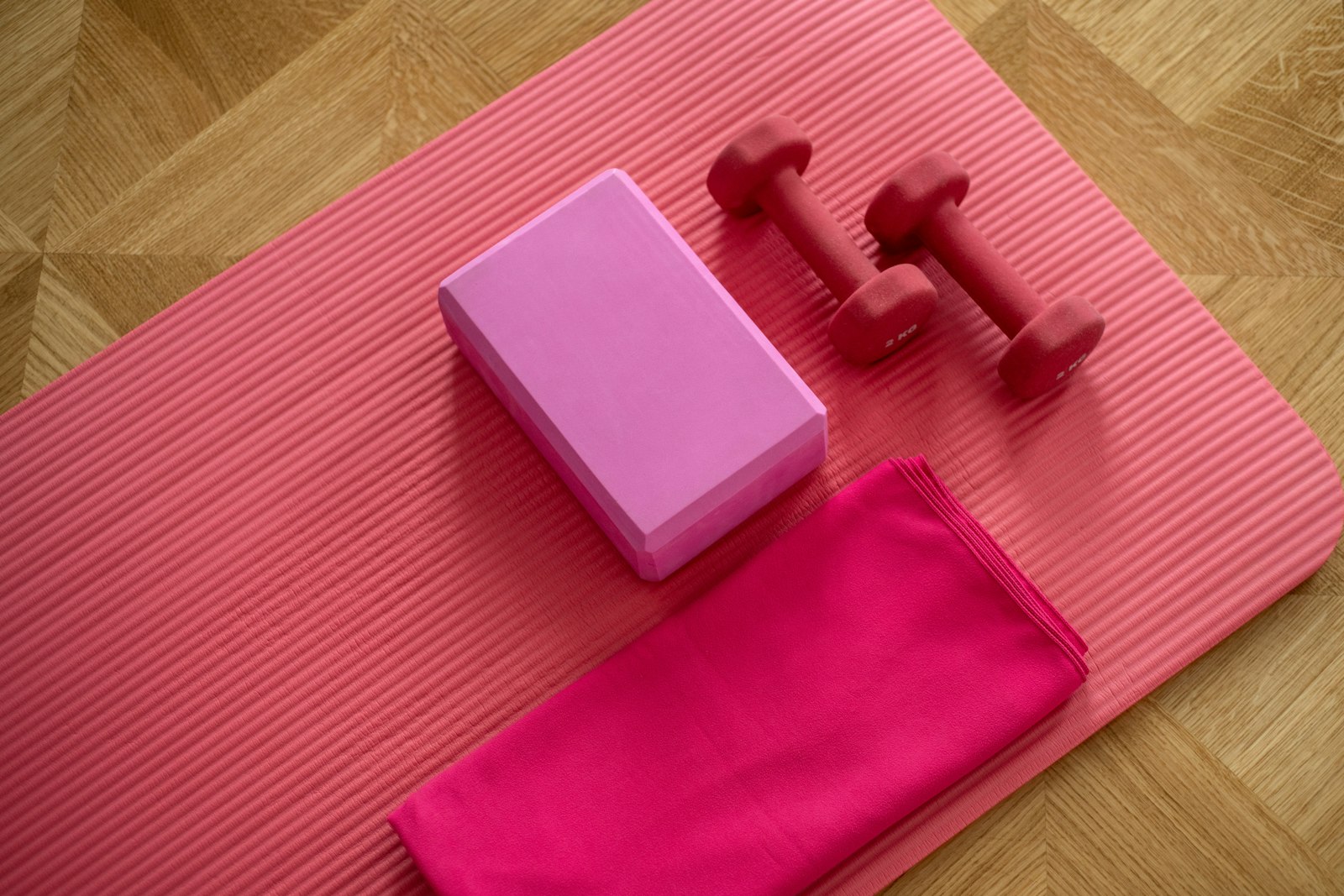
Props per student: two blocks, one bolster, one folded blanket, optional strap. The bolster lives under the knees in supine work and under the chest for supported fish at the end. I cue every pose with a 'comfort first, shape second' frame: if a position increases the pain, we change it, not push through it.
For modifications, name them clearly. 'Option A is knees bent. Option B is heels on a block.' Don't bury the modification as the lesser option. In a back-care class, the easier version is often the more therapeutic one.
When students ask why we're not doing pigeon or seated forward fold, the honest answer is: those shapes can absolutely help, but they require the pelvis to be neutral, and a painful lower back usually means the pelvis is guarding. Once the spasm releases, we add those back in — typically week two or three of a regular practice.