FLOW Yoga Sequence BuilderFLOW Yoga Sequence Builder
75 min · all-levels

A yin sequence that respects 70% — not 100%

A 75-minute yin yoga class template with 3-5 minute holds, Paul Grilley-influenced targeting, and clear meridian rationale. Print, edit, or remix in the builder.

Share
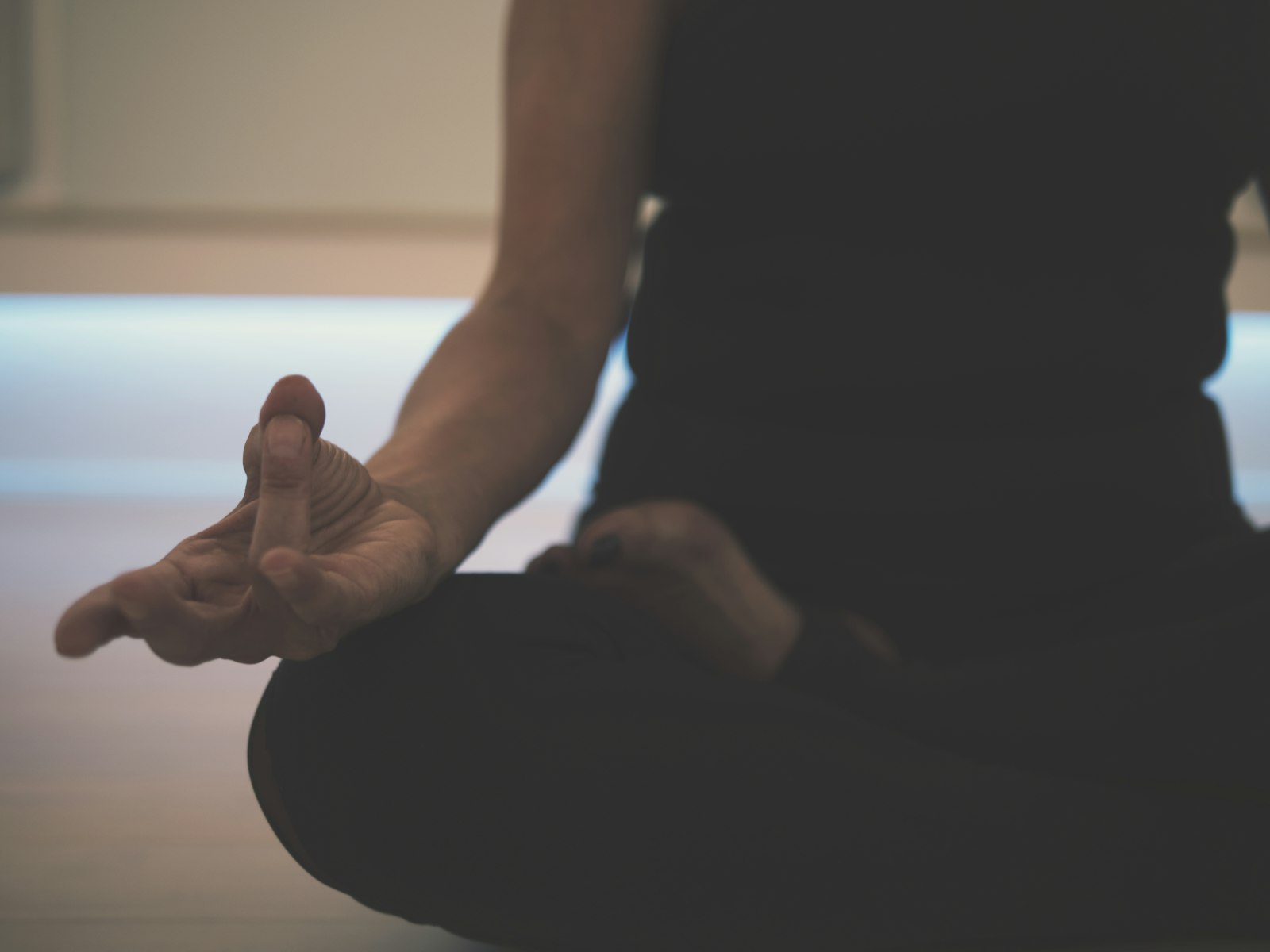
Quiet yin yoga shape held with a bolster

Yin in its modern form came out of Paul Grilley's teaching in the late 1980s, drawing on his anatomy work, Hiroshi Motoyama's meridian theory, and Paulie Zink's Taoist yoga. Sarah Powers refined it into the format most studios now teach — passive, floor-based postures held for 3-5 minutes, targeting fascia and joint capsules rather than muscle. The defining instruction in yin is not "deeper." It is "find your edge, then back off."

Grilley's rule of thumb, and the one I cue every class: target 70% of your full range, never 100%. The reasoning is biomechanical, not philosophical. Connective tissue plastically deforms under sustained load when the muscle around it stays passive. If a student grips into the stretch to push deeper, the muscle takes the load and the fascia goes home unchanged. Less effort, longer time, more result — the opposite of the yang training most people bring to the mat.

This template runs 75 minutes with eight long holds. The arc moves from the lower body up to the spine and out through the shoulders, mirroring the kidney-bladder-liver-gallbladder meridian sequence that the Powers lineage favours. You can teach it without ever saying the word meridian — what matters is the order of joints loaded, not the Chinese medicine vocabulary. Keep the room warm, keep the lights low, keep your voice slow. Yin is the one format where reading aloud from a script is sometimes the right call.

Who this sequence is for

Studio classes labeled yin, deep stretch, slow flow, or restorative-yin hybrids. Athletes who do other movement six days a week and need the connective-tissue work. Students with stress they cannot meditate their way out of. Skip yin for pregnant students past the first trimester (passive deep hip work is contraindicated by most prenatal protocols), for anyone in acute joint inflammation, for hypermobile students who already access more range than their joints can stabilise, and for anyone with a recent disc injury — sphinx and saddle in particular need to be modified or skipped.

How to teach (or practice) it

The load-bearing pieces in yin are the hold time and the props. Three minutes is the floor; below that you are doing slow hatha, not yin. Five minutes is the ceiling for most mixed-level rooms — beyond that students start fighting the posture rather than receiving it. Set a timer. Do not eyeball it. Your sense of time stretches and shrinks during long holds and you will inevitably short the second side if you don't track it.

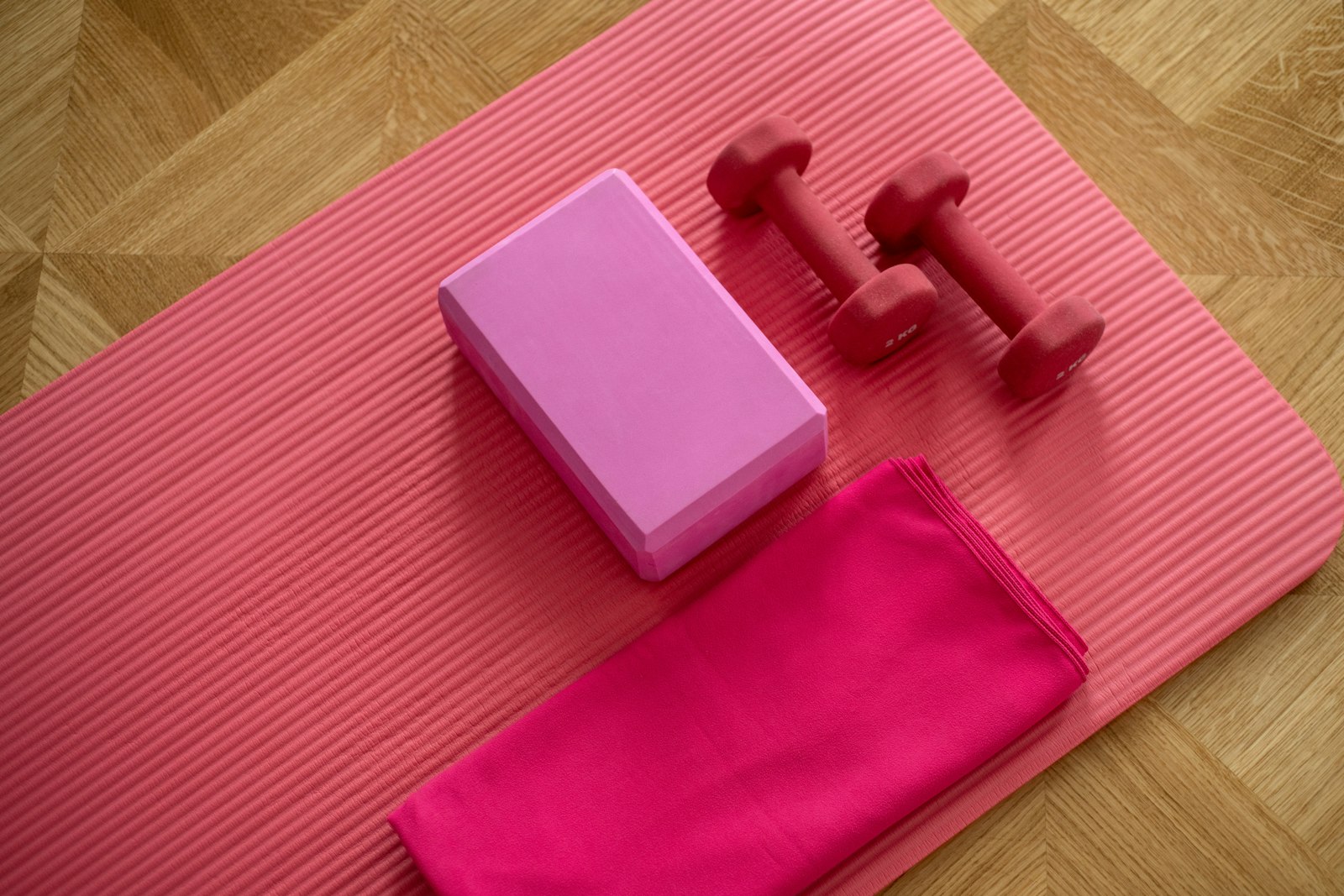
Props are the pose. Every student in butterfly should have a bolster in front of them whether they think they need it or not. Folded blankets under the knees in dragon, a block under the bottom hip in twisted root — set the room up before students arrive so they don't have to make a decision about whether to "deserve" the support.

Cue the exit, not just the entry. Coming out of a five-minute saddle without a transition phase will send students to a chiropractor. Always: gentle counter-pose, 30-60 seconds of quiet between sides, no rushing into the next shape. The middle of yin is silent; the edges (entries and exits) are where you talk.

The Sequence

14 poses · 75 min

  1. 1
    Easy seat, arriving
    Sukhasana
    3 min

    Let the eyes close. No instruction yet.

  2. 2
    Butterfly
    Baddha Konasana (yin)
    5 min

    Round the spine — fold from the lower belly, not the chest.

  3. 3
    Caterpillar
    Paschimottanasana (yin)
    5 min

    Bolster on the thighs to rest the head.

  4. 4
    Sleeping swan (pigeon)
    Eka Pada Rajakapotasana (yin)
    5 min each side

    Prop the front-leg hip until it stops floating.

  5. 5
    Dragon (low lunge)
    Anjaneyasana (yin)
    4 min each side

    Blanket under the back knee, hands on blocks.

  6. 6
    Square (fire log)
    Agnistambhasana
    4 min each side

    Skip if you feel knee pain — back to butterfly instead.

  7. 7
    Twisted root (supine twist)
    Supta Matsyendrasana (yin)
    4 min each side

    Top knee can be supported on a block.

  8. 8
    Sphinx
    Salamba Bhujangasana
    4 min

    Elbows under the shoulders, not in front of them.

  9. 9
    Seal (deeper sphinx)
    Bhujangasana variation
    3 min

    Only if sphinx felt empty — otherwise stay.

  10. 10
    Child's pose (counter)
    Balasana
    90 sec

    Knees wide, big toes touching.

  11. 11
    Snail (plough)
    Halasana variation
    3 min

    Skip entirely if there's any neck history.

  12. 12
    Banana
    3 min each side

    Heels and shoulders stay anchored as the hips arc.

  13. 13
    Reclined butterfly
    Supta Baddha Konasana
    4 min

    Blocks under the outer thighs.

  14. 14
    Savasana
    Savasana
    10 min

    Blanket over the body. No final cue.

Coaching notes

The trap unique to yin is the holding time itself. Three to five minutes is long enough that the body's first response — to wriggle, to deepen, to escape — has to pass before the work begins. Your job is to coach through that first 60 seconds, then go quiet for the rest. Phrases that help: "if your edge has moved, you can soften toward it; you don't need to chase it." Phrases that don't: "go deeper," "push past the resistance."

Watch for hypermobile students. In a yang class they look impressive; in a yin class they are the highest-risk people in the room. A naturally bendy student in a 5-minute pigeon will end up loading the joint capsule at end range for far too long. Cue them out: "if you're already at the floor with no sensation, prop the front hip higher to create stretch elsewhere."

Don't pair yin with strong music. The format works through proprioceptive stillness — anything with a beat above 70 BPM pulls students out of interoception. Drones, singing bowls, or silence. And cover students with a blanket at the start, not the end — body temperature drops fast during long passive holds.

FAQ

How long should yin poses be held?+

3 to 5 minutes. Three minutes is the working floor — below that the connective tissue does not receive sustained load and the format becomes slow hatha. Five minutes is the practical ceiling for studio rooms; beyond that, students start fighting the posture instead of receiving it. Use a timer; do not estimate.

What's the difference between yin and restorative yoga?+

Yin asks for mild stress on connective tissue — students should feel a stretch sensation, just at 70% rather than 100%. Restorative removes load entirely; the props hold the body in shapes so muscles can let go. Yin is a stretch format with long holds; restorative is a rest format with long holds. They look similar and they are not.

Is yin yoga safe during pregnancy?+

Most prenatal protocols rule out deep passive hip openers past the first trimester because relaxin levels make joint capsules more lax than usual and yin's long holds can over-stretch them. Substitute supported side-lying postures and skip saddle, deep pigeon, and any closed twist. When in doubt, refer to a prenatal-specific teacher.

Do I need to teach meridians to teach yin?+

No. The Paul Grilley and Sarah Powers lineages reference Chinese meridian theory because it informs the order of postures, but the biomechanics work whether you mention it or not. Many strong yin teachers cue only anatomy and breath. If you don't have a grounded relationship with the Chinese medicine framework, leave it out.

Why does yin make people emotional?+

Three to five minutes in a passive shape with no external focus is enough time for the default-mode network to come back online. Students stop performing and start feeling what they were holding. Don't make a thing of it. Cue normalisation: "tears in yin are common and they pass." Then go quiet.

FLOW Yoga Sequence Builder

Build your own style sequence in minutes

Drag-and-drop in the FLOW builder. Set per-pose duration, side, and notes. Save, share, and export to PDF. Free to start; Pro from $5/mo billed yearly with a 3-day trial.