FLOW Yoga Sequence BuilderFLOW Yoga Sequence Builder
25 min · all-levels

Morning Yoga Flow Sequence

A 25-minute morning yoga flow built for habit formation — short, energizing, simple structure. Wake the spine, warm the body, and start the day awake.

Share
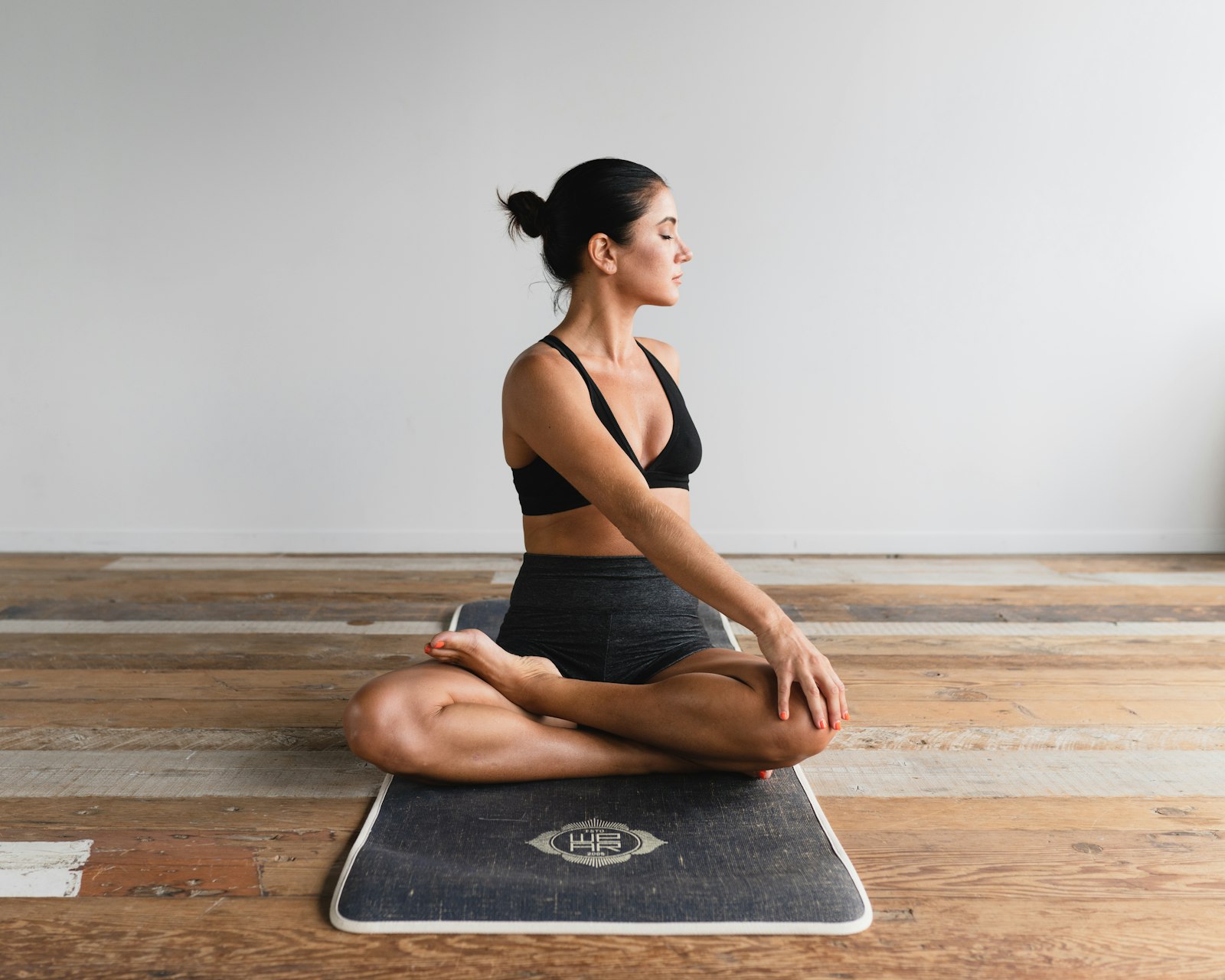
Yoga at sunrise by a window

A morning practice succeeds or fails on length. A 75-minute class is a lovely Saturday. Tuesday at 6:40 a.m. needs something you'll actually unroll the mat for. This sequence runs 25 minutes, with a 20-minute short option built in if you sleep through your first alarm. The goal isn't depth or peak postures. It's making the practice happen often enough that the body recognizes the rhythm and starts asking for it.

Mornings ask for a specific kind of practice. The spine has been folded into a pillow for seven or eight hours. The hip flexors are short. The nervous system is still half in sleep mode, and a hard vinyasa right out of bed tends to feel awful for the first five minutes and only slightly less awful for the next ten. So this sequence opens slow — supine breathing, a few minutes of cat-cow, gentle side bends — and builds gradually into standing shapes that wake the legs and lungs.

The structure repeats almost exactly every day, which is the point. Variety is the enemy of habit. After two weeks of running the same 25 minutes, you stop deciding whether to practice and just practice. Save the longer, more creative sequencing for evening or weekend classes. The morning is for showing up.

Who this sequence is for

Built for anyone trying to make daily yoga stick — new practitioners who keep starting and stopping, busy parents and shift workers with narrow morning windows, athletes wanting a low-impact mobility primer before a workout, office workers offsetting a day of sitting. All-levels: a beginner can take every shape gently, a stronger practitioner can hold longer and add a vinyasa between standing poses. Skip the standing portion and stay on the floor if you wake with significant lower-back stiffness or vertigo; either resolve before standing.

How to teach (or practice) it

Set this as a daily 25-minute routine, ideally within an hour of waking. Use a quiet room, dim light, no music or something instrumental and slow. Skip the warm shower until after — warm muscles before the practice tend to overstretch.

Open on the back, knees bent, three minutes of slow nasal breath. Add gentle supine twists and a knees-to-chest before sitting up. Cat-cow and a kneeling side bend take the spine through all six directions. Down dog three times, walking the heels and bending one knee at a time, is the bridge from the floor to standing.

The standing portion is short on purpose: a few rounds of Sun Salutation A at a slow, deliberate pace, then one Warrior II and one Triangle on each side. No peak posture. No arm balance. The body is awake. Sit back down for a seated forward fold and a brief seated twist. Close with two to three minutes of Savasana — short on purpose so you don't fall back asleep — and a few breaths in easy seat before you stand up and start the day.

The Sequence

15 poses · 25 min

  1. 1
    Supine Breath
    Savasana with knees bent
    2 min

    4-count inhale, 6-count exhale through the nose.

  2. 2
    Knees-to-Chest
    Apanasana
    60 sec

    Gentle rock side to side to massage the lumbar.

  3. 3
    Reclined Twist
    Supta Matsyendrasana
    45 sec each side

    Knees stacked, gaze opposite if the neck allows.

  4. 4
    Cat-Cow
    Marjaryasana / Bitilasana
    8 rounds

    Lead with the breath. Spine moves with the inhale and exhale.

  5. 5
    Thread the Needle
    Parsva Balasana
    45 sec each side

    Top arm reaches the ceiling first, then thread it under.

  6. 6
    Kneeling Side Bend
    45 sec each side

    One hand to the floor, opposite arm overhead. Lengthen the side waist.

  7. 7
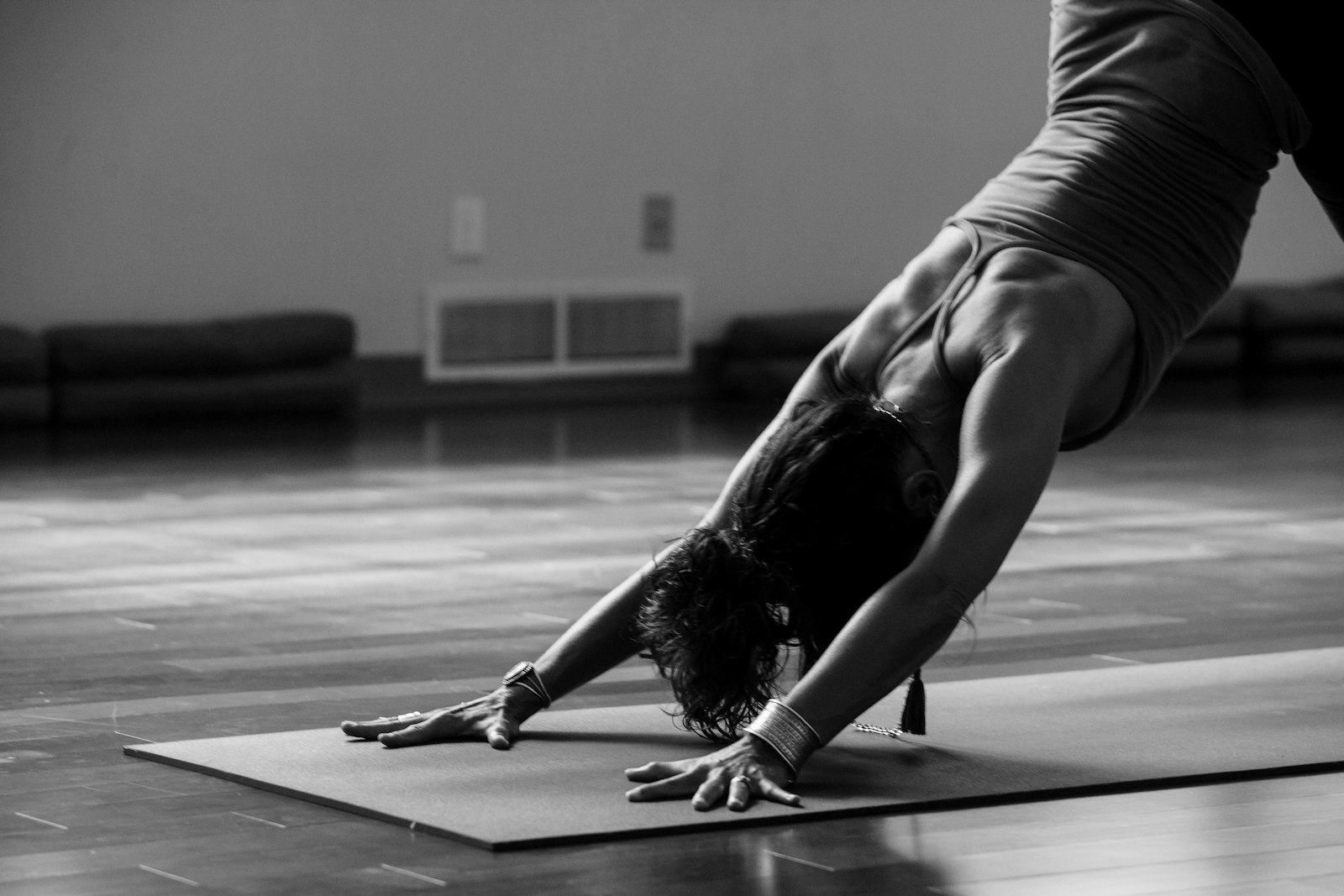
    Downward Dog
    Adho Mukha Svanasana
    5 breaths x 2 rounds

    Walk the heels and bend one knee at a time first.

  8. 8
    Sun Salutation A
    Surya Namaskara A
    3 rounds

    Slow and deliberate. One breath per movement.

  9. 9
    Warrior II
    Virabhadrasana II
    5 breaths each side

    Front knee over the ankle. Shoulders relax down the back.

  10. 10
    Triangle Pose
    Trikonasana
    5 breaths each side

    Long side waists. Hand on the shin if the floor is far.

  11. 11
    Standing Forward Fold
    Uttanasana
    5 breaths

    Soft bend in the knees. Heavy crown.

  12. 12
    Seated Forward Fold
    Paschimottanasana
    5 breaths

    Sit on a folded blanket. Lengthen the spine first.

  13. 13
    Seated Twist
    Ardha Matsyendrasana
    5 breaths each side

    Inhale taller, exhale rotate from the mid-spine.

  14. 14
    Savasana
    2-3 min

    Short on purpose. Resist the urge to fall back asleep.

  15. 15
    Easy Seat
    Sukhasana
    1 min

    Three breaths before you stand up. Set one intention for the day.

Coaching notes

The biggest morning mistake is going too hard too fast. Holding a deep lunge or pushing into a forward fold in the first five minutes is when people pull hamstrings or aggravate disc irritation. Cue length over depth for the entire first half of the practice. By Sun Salutation A the body is ready; before that, the shapes are about warming, not stretching.

Watch the breath. A morning practice is the easiest place to fall into shallow chest breathing because the body still wants to be asleep. Cue audible Ujjayi or simply "longer exhale than inhale" from the first supine minute. A 4-count in, 6-count out is the simple version. It moves the nervous system from rest toward gently alert without spiking cortisol.

Keep cues short. Mornings are not the time for long anatomical explanations or philosophical asides. Name the pose, give one cue, hold, name the next pose. If you're teaching this live, watch the room for the student still rubbing their eyes — they may need an extra round of cat-cow before the first down dog.

FAQ

Is it good to do yoga first thing in the morning?+

Yes, with the caveat that the body is stiffer and the nervous system slower at 6 a.m. than at 6 p.m. A morning practice should open slow — five minutes on the floor before any standing shapes — and avoid deep stretches in the first ten minutes. Within those guardrails, daily morning yoga is one of the most habit-friendly times to practice.

Should I eat before morning yoga?+

For a 25-minute practice, no. Water is enough. If you wake hungry, half a banana or a few sips of tea works without sitting heavy in twists or forward folds. Save the full breakfast for after.

How long should a morning yoga practice be?+

For habit formation, 20-30 minutes hits the sweet spot. Long enough to feel different by the end, short enough that it survives a busy week. Save the 60-90 minute classes for evenings, weekends, or your day off.

Can I do this every day?+

Yes. A 25-minute morning practice at this intensity is safe daily. Take a rest day if you feel run-down, but the sequence is built to be repeated — variety undermines habit, and the body adapts to a familiar rhythm faster than a different class every morning.

What if I only have 15 minutes?+

Keep the supine opening, cat-cow, two rounds of Sun Salutation A, one round of Warrior II and Triangle each side, and skip straight to a one-minute Savasana. The shape of the practice — slow open, brief stand, brief rest — matters more than checking every pose off the list.

FLOW Yoga Sequence Builder

Build your own context sequence in minutes

Drag-and-drop in the FLOW builder. Set per-pose duration, side, and notes. Save, share, and export to PDF. Free to start; Pro from $5/mo billed yearly with a 3-day trial.