FLOW Yoga Sequence BuilderFLOW Yoga Sequence Builder
30 min · beginner

Beginner Yoga Sequence

A 30-minute beginner yoga sequence with 10 simple poses, longer holds, and plain-language cues. No flexibility required. Built for a first or second class.

Share
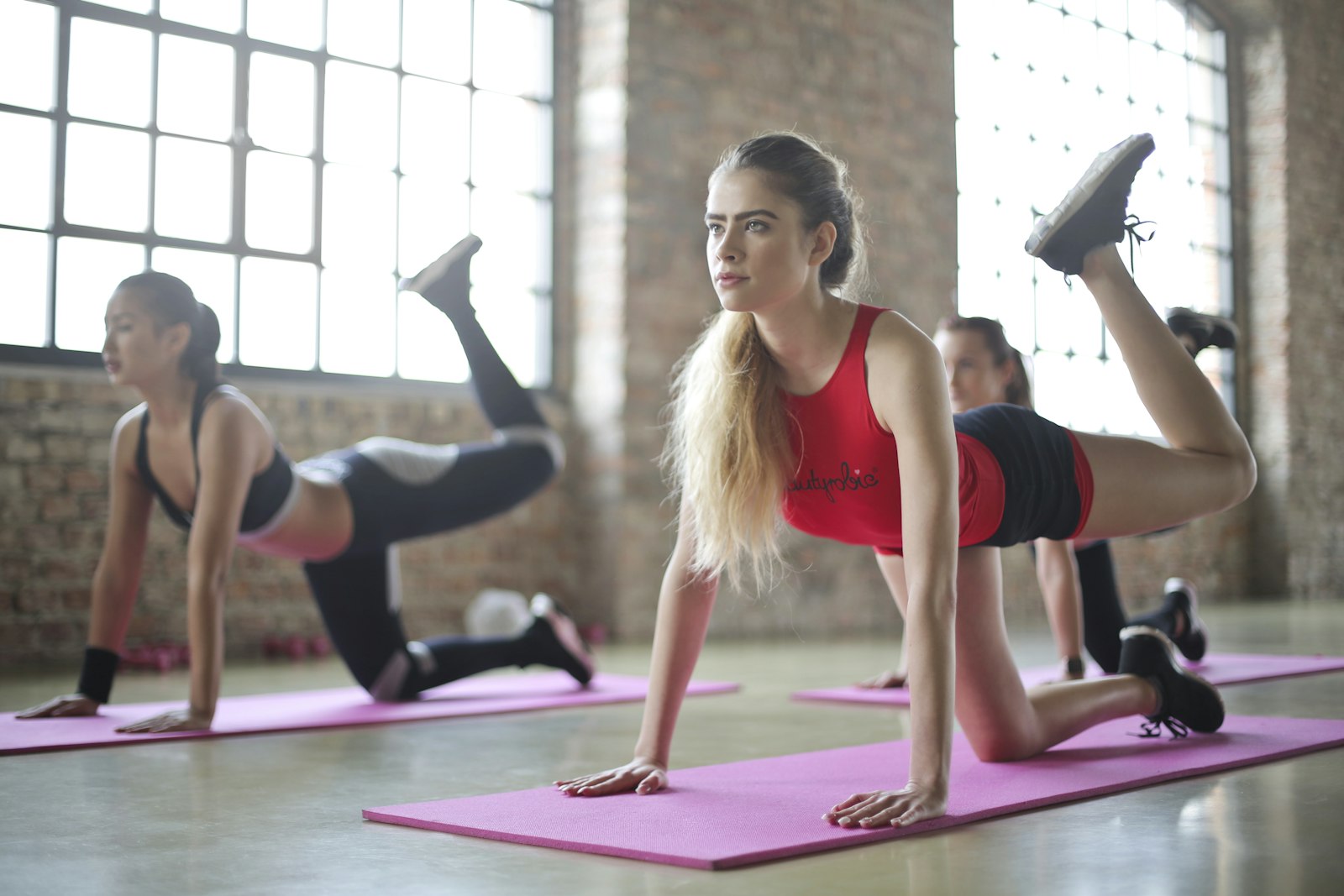
First-time student in tabletop on a borrowed mat

Most people new to yoga walk in with two worries: that they will be the stiffest person in the room, and that they will not know what to do with their body when everyone else does. Neither of these is a real problem. Stiffness is the most common starting condition; flexibility is a side effect of practice, not a prerequisite for it. As for not knowing what to do — that is the entire point of a beginner sequence. Someone tells you what to do, slowly, and you do it.

Bring water, a mat if you own one (most studios lend one for free), and clothes you can sit cross-legged in. That is the full kit. If you are practicing at home, put the mat in a clear stretch of floor where you can lie down without your head hitting a chair leg. Long edge parallel to a wall is helpful — the wall becomes a balance prop later. Move the coffee table. Take your socks off so the mat does not slide.

This sequence runs about 30 minutes and uses ten poses. Each pose is held for 45 to 60 seconds, which is longer than what you will see in a faster class but exactly what a new body needs: enough time to figure out where your weight is, where your breath is, and which muscles are actually working. Nothing here requires you to touch your toes, balance on one leg with your eyes closed, or contort your spine. If something hurts in a sharp or pinching way, come out. Discomfort is fine. Pain is information.

Who this sequence is for

Anyone who has never taken a yoga class, or who has taken two and felt lost. People returning to movement after a long break, after pregnancy, after surgery (with clearance), or after a desk-bound year. People who have tried a faster flow class and felt the pace was the problem, not the poses. Also: experienced movers — runners, lifters, climbers — who are humble enough to start from the floor. If you are visibly fit but have never opened your hips on purpose, this is your sequence. Skip it if you are an experienced yoga student looking for a workout; this is a foundation, not a challenge.

How to teach (or practice) it

Read through the pose list once before you start so the names are familiar. Put your phone on Do Not Disturb. Set a timer for 30 minutes or play a single album you like. Move through the poses in order — the sequence is built so each pose prepares the next. Hold each shape for around 45 seconds, or 5 to 8 slow breaths. Breathe through your nose if you can; through your mouth if you cannot.

You will repeat the standing poses on both sides. That is not optional — your body is not symmetrical and one side will feel notably worse than the other. That is normal and that is the side that needs the work. If you lose balance, put a hand on the wall. Using the wall is not cheating; it is how you learn where your center is.

At the end, lie still in Savasana for at least three full minutes. Skipping it because it 'feels like nothing' is the biggest beginner mistake — it is the pose where the practice gets absorbed by the nervous system. Plan to do this sequence two or three times a week for a month before deciding whether yoga is for you.

The Sequence

12 poses · 30 min

  1. 1
    Easy Seat
    Sukhasana
    60 sec

    Sit on a folded blanket so knees drop below hips.

  2. 2
    Cat-Cow
    Marjaryasana / Bitilasana
    8 rounds

    Move with breath, not faster than that.

  3. 3
    Child's Pose
    Balasana
    60 sec

    Knees wide, big toes touching, forehead on the mat or a block.

  4. 4
    Downward-Facing Dog
    Adho Mukha Svanasana
    45 sec

    Bend the knees. Lifting the hips matters more than straight legs.

  5. 5
    Low Lunge
    Anjaneyasana
    45 sec each side

    Back knee on the mat. Front knee stacked over the ankle.

  6. 6
    Mountain Pose
    Tadasana
    45 sec

    Feet hip-width. Weight even across both feet.

  7. 7
    Warrior II
    Virabhadrasana II
    45 sec each side

    Front knee tracks over the front ankle. Arms strong, shoulders soft.

  8. 8
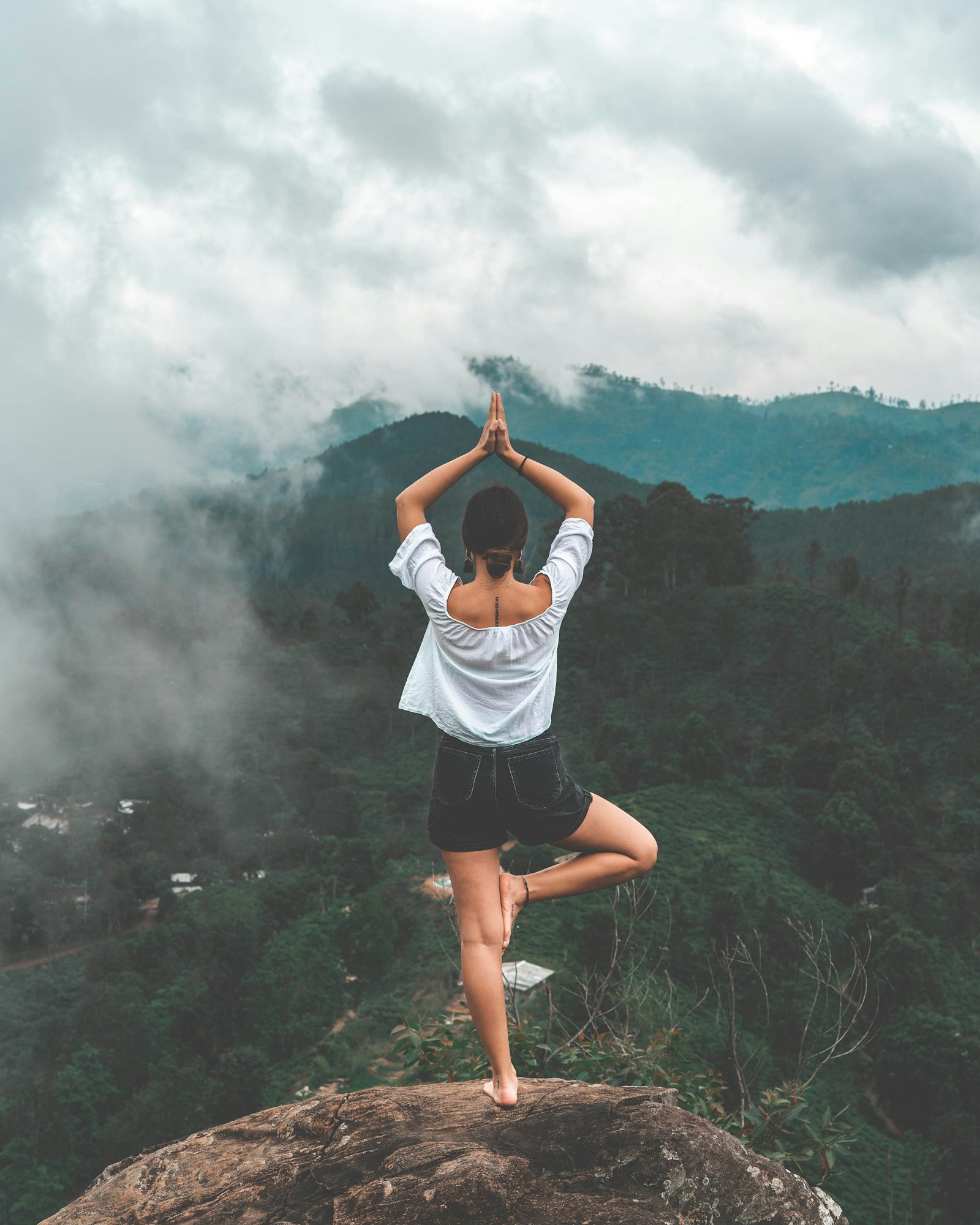
    Tree Pose
    Vrksasana
    30 sec each side

    Foot on the ankle or inner thigh — never on the knee. Wall is fine.

  9. 9
    Seated Forward Fold
    Paschimottanasana
    60 sec

    Bend the knees. Lengthen the spine before you fold.

  10. 10
    Bridge Pose
    Setu Bandhasana
    45 sec

    Press through the heels. Knees stay parallel.

  11. 11
    Supine Twist
    Supta Matsyendrasana
    60 sec each side

    Knees stacked. Look the opposite direction of the knees.

  12. 12
    Savasana
    Savasana
    3-5 min

    Lie down. Stop trying. Eyes closed.

Coaching notes

If you are teaching this sequence, cue from the ground up: 'press the four corners of your feet down' before you say 'lift the chest.' Beginners cannot follow abstract direction — they can follow specific physical actions. Demonstrate each pose once. Walk while cueing; do not stay on your mat.

Watch knees in lunges. The most common beginner mistake is the front knee collapsing inward — say 'point your front knee at your second toe' until they stop doing it. In downward dog, expect bent knees and lifted heels; that is correct, not a shortcoming. Do not chase straight legs. In forward folds, offer a chair or two blocks; reaching the floor is irrelevant and reaching it with a rounded spine is worse than not reaching it at all.

Use names, not just left-right. New students freeze when they cannot remember which side they did. Finally: silence is allowed. Beginners need time to find the pose. Talking through every second of a hold is for you, not for them.

FAQ

I cannot touch my toes. Can I still do this?+

Yes. Touching your toes is irrelevant. In every forward fold here, bend your knees as much as you need to keep your spine long. You get more benefit from a folded shape with bent knees than from forcing straight legs and rounding your back.

How often should I practice as a beginner?+

Two to three times a week for the first month. Daily is unnecessary and can be counterproductive — your connective tissue needs rest days to adapt. Consistency over a month matters far more than frequency in a single week.

Do I need any props?+

A mat and one folded blanket cover 90 percent of cases. Two foam blocks help if you have tight hamstrings or shoulders. You can substitute thick books for blocks; nothing here requires special equipment.

What should I do if a pose hurts?+

Come out. Discomfort that feels like a stretch is fine — sharp, pinching, or joint-specific pain is not. Most beginner pain is in the knees or wrists, and almost always solved by softening the bend or placing more weight elsewhere.

Will this make me flexible?+

Eventually, yes — but flexibility is a slow byproduct, not the goal. After a month of consistent practice, expect to feel more mobile in your hips and shoulders and less stiff after sitting. Touching your toes might take a year. That is fine.

FLOW Yoga Sequence Builder

Build your own level sequence in minutes

Drag-and-drop in the FLOW builder. Set per-pose duration, side, and notes. Save, share, and export to PDF. Free to start; Pro from $5/mo billed yearly with a 3-day trial.