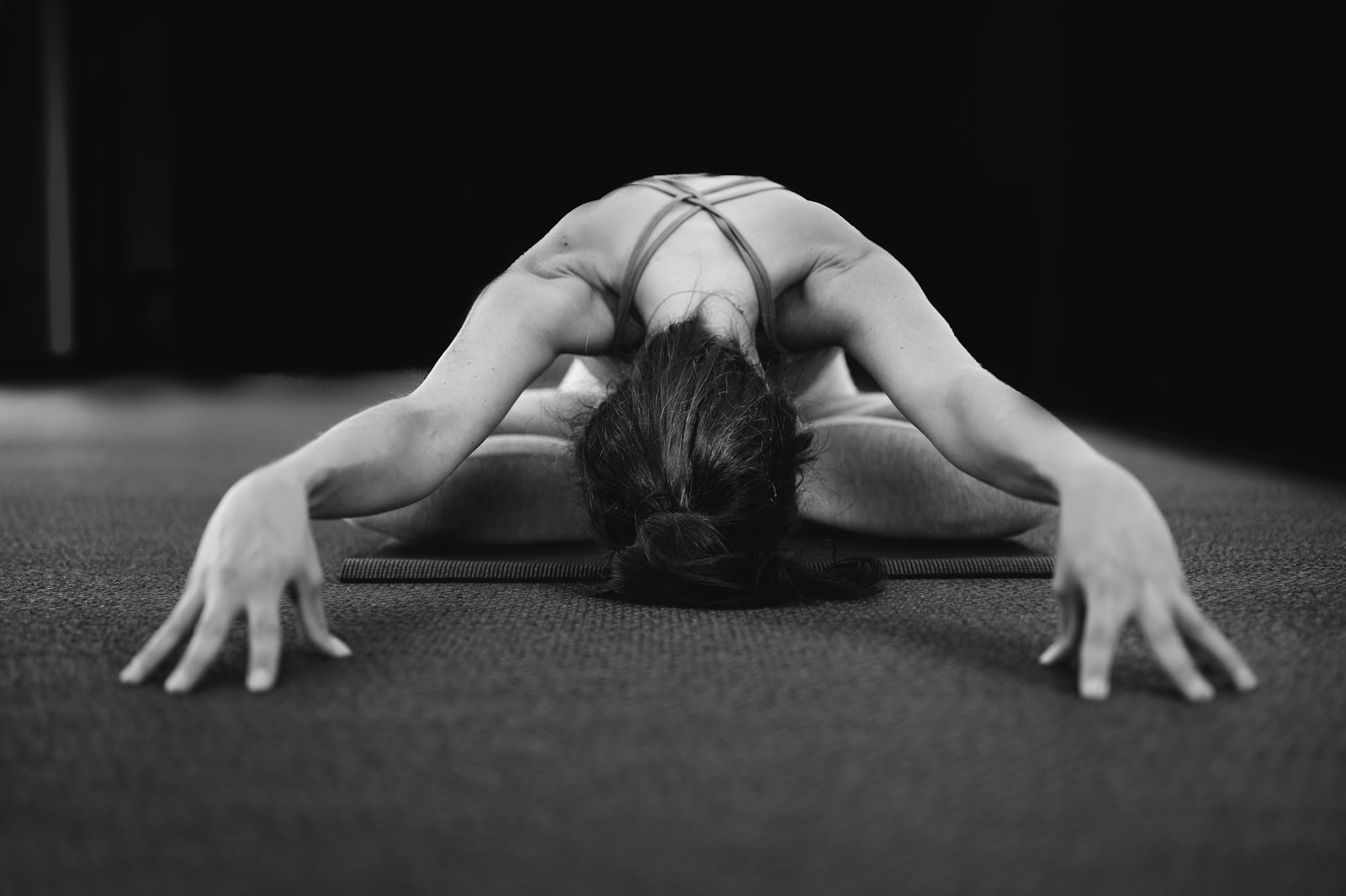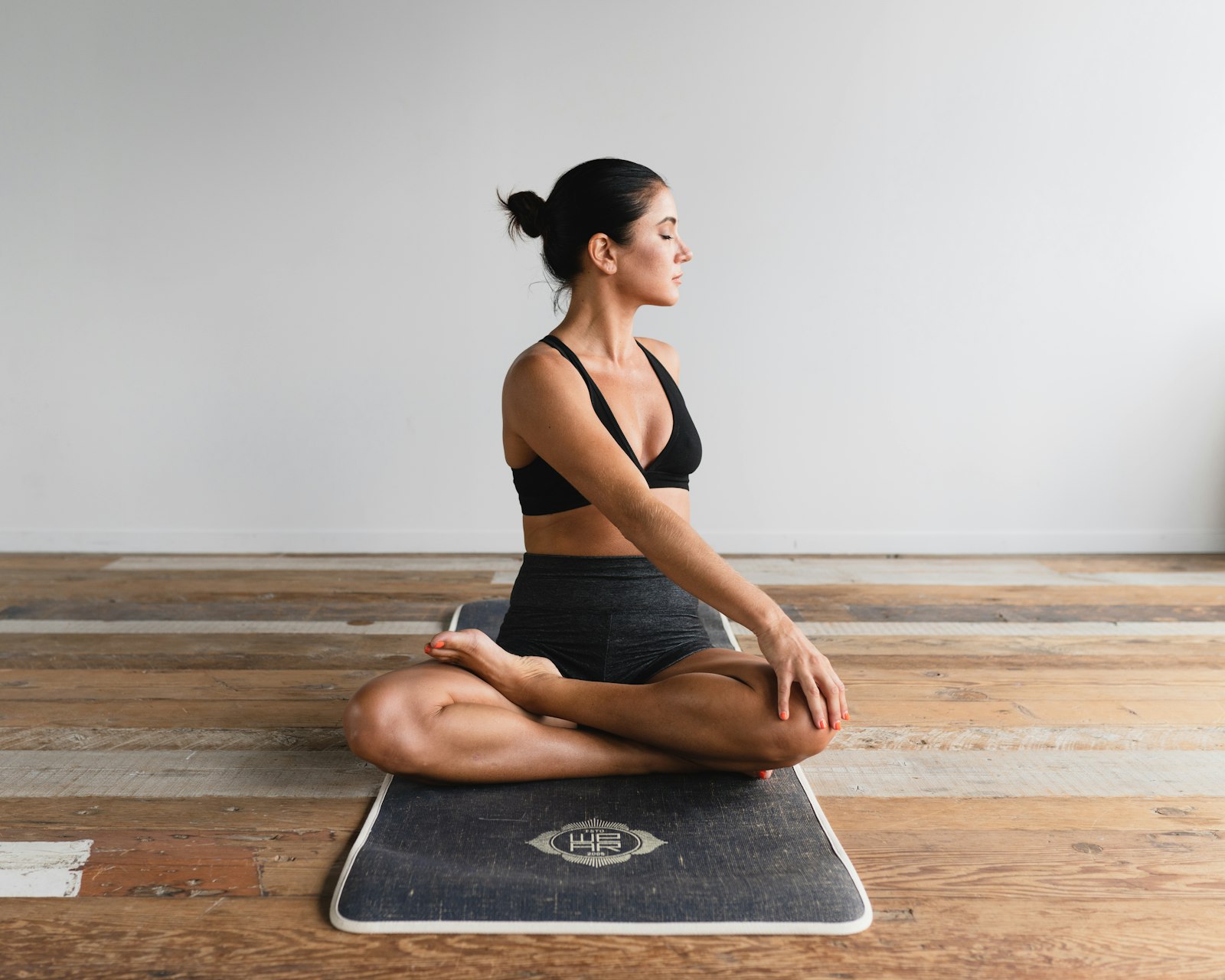
Vinyasa is the lineage that came out of Krishnamacharya's teaching in Mysore in the 1930s, then split off through Pattabhi Jois's ashtanga and softened into the modern, music-friendly flow most studios now teach. The defining feature has not changed: one breath, one movement. Postures are stitched together so that the inhale or exhale carries the body into the next shape, and the held postures sit inside that ribbon of breath rather than interrupting it.
This template is built for a standard 60-minute studio slot. It opens at the floor with three rounds of cat-cow to get ujjayi audible, climbs into two rounds of Surya Namaskar A and one round of Surya Namaskar B to warm the spine and shoulders, then plateaus in a standing series anchored around Virabhadrasana II as the peak pose. From there the sequence descends through balancing work, hip openers on the floor, a single twist, and a 7-minute savasana.
The holds are short on purpose. In a vinyasa room you are training the nervous system to find a steady posture inside a moving breath, not testing how long someone can survive in chair pose. If you teach this format weekly, vary the peak pose every few classes (eka pada koundinyasa, ardha chandrasana, parsvakonasana) while keeping the warm-up and cool-down stable. The students' bodies will recognise the shape of the class and arrive ready to work.
Who this sequence is for
Drop-in studio classes labeled vinyasa, flow, or "level 1-2." Students who can take chaturanga without dumping into the low back, who understand the difference between an inhale and an exhale, and who can hold downward dog for five breaths without panic. New teachers running their first paid public class will find the arc forgiving: the warm-up does most of the work, so you can stay present with cueing instead of choreographing on the fly. Skip this template for true beginners, for prenatal-only rooms, and for anyone with an acute wrist or shoulder injury who cannot bear weight in plank.
How to teach (or practice) it
Read the sequence twice before you teach it. The load-bearing pieces are the three Surya A rounds (warm-up, no negotiation) and the chaturanga-to-up-dog-to-down-dog transition that repeats roughly twenty times across the hour. If your students cannot do that cleanly, replace chaturanga with knees-chest-chin throughout and shorten the standing series by two poses to compensate for the extra reset time.
Everything between warrior II and pigeon is the optional middle. Swap in your own balance pose, your own hip opener, your own arm balance for that peak slot — the template will still hold. The non-negotiables are: arrive at down-dog within the first eight minutes, hit the floor by minute forty-five, and protect the full seven minutes of savasana. Students remember how class ended more than how it peaked.
Cue breath before alignment. "Inhale, reach the arms up" lands; "engage your serratus and externally rotate your shoulders as you reach up on the inhale" does not. Save the anatomical cues for the held postures where students have time to actually receive them.