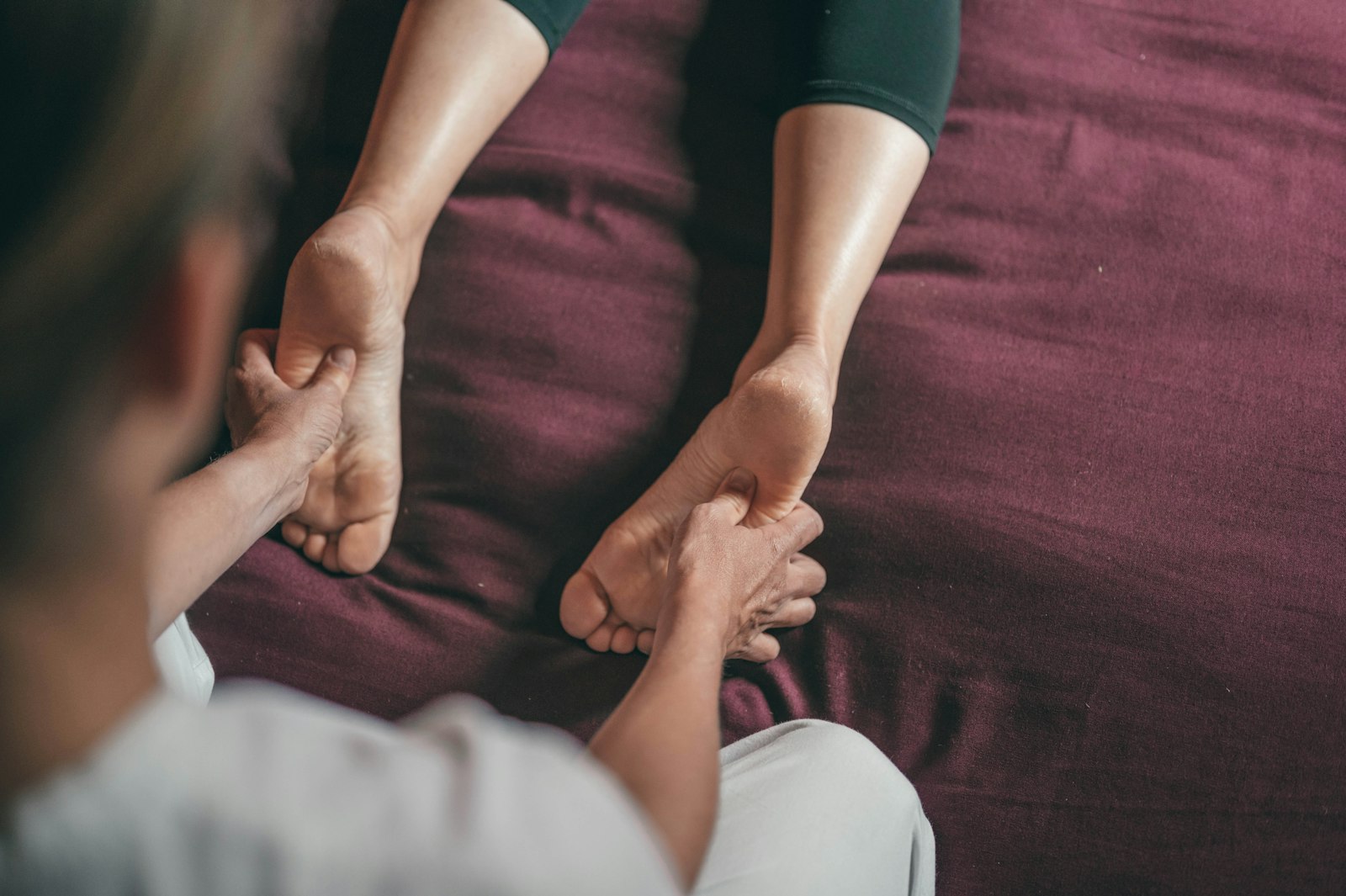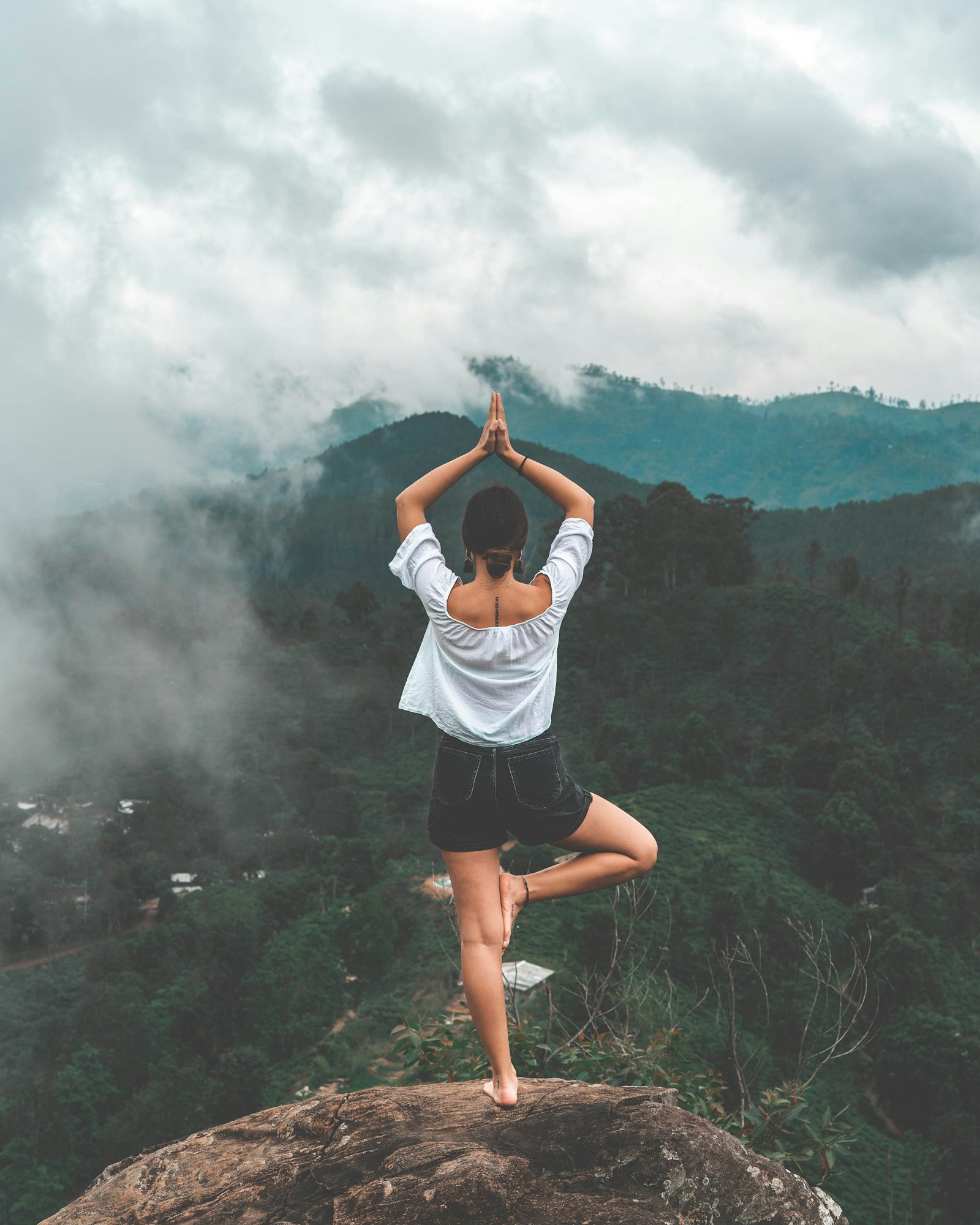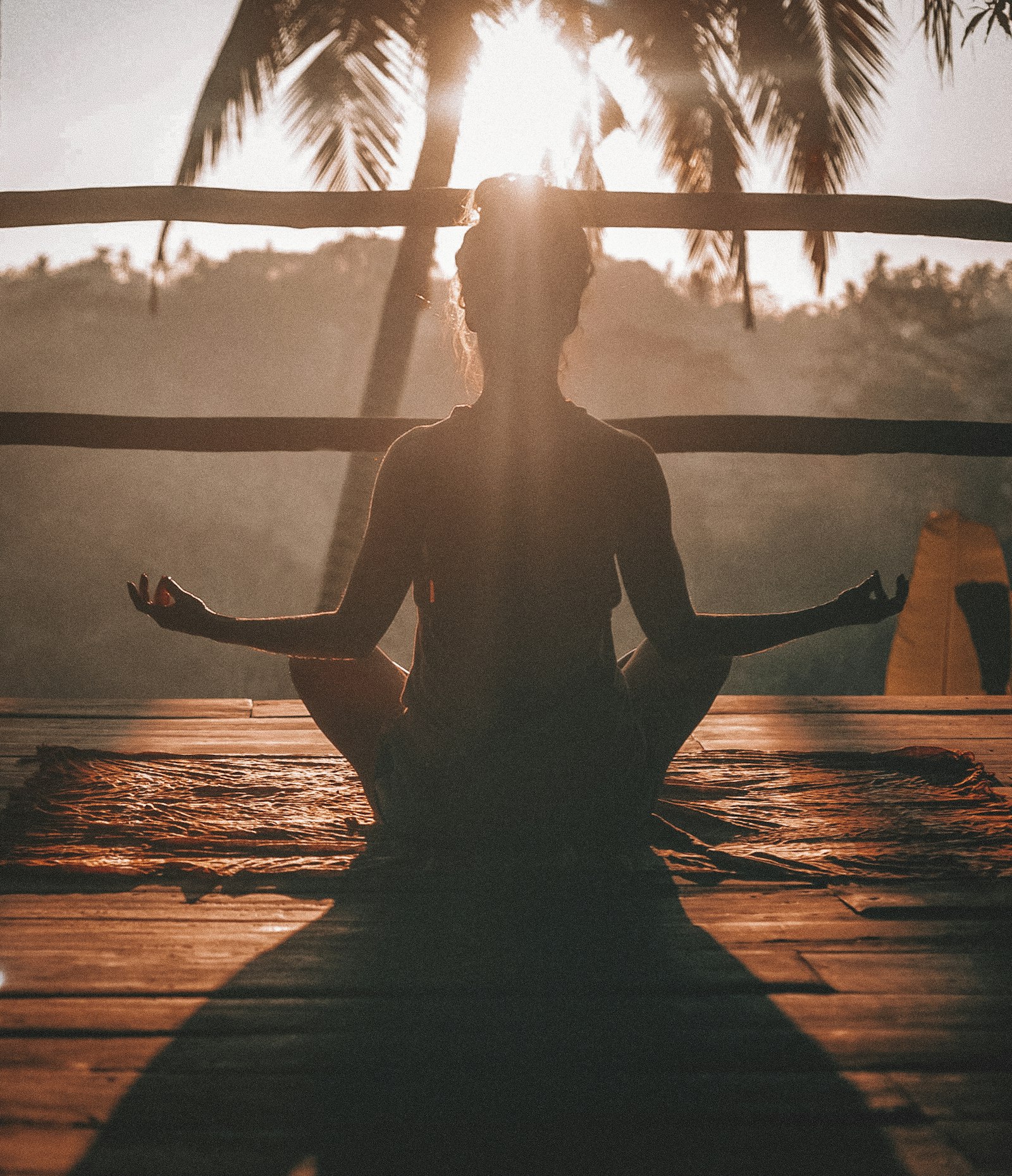
Gentle yoga is a real category, not a watered-down vinyasa. The pace is slow on purpose. Holds average 90 seconds — long enough for the breath to settle and for fascia to soften, short enough that nobody is locked in a shape they regret. Most of the practice happens seated on the floor, supine on the back, or in a chair. Standing poses are present but brief, and almost every one of them has a chair or wall option.
Who shows up in a gentle class varies more than people expect. There are students in their seventies and eighties using yoga to keep moving without aggravating arthritic knees. There are people in their thirties recovering from a knee surgery, a hip replacement, a long bout of low-back pain. There are athletes whose nervous systems are too revved to enjoy a power class on a Sunday evening. The common thread is that everyone in the room wants to feel their body without forcing it.
The sequence below runs 45 minutes. It opens supine — backs on the floor, knees up, breath audible — because that's the easiest place to drop people into a parasympathetic state. It builds through gentle table-top work, two short standing shapes, then settles into seated forward folds and twists. Most poses offer a chair modification in the cues. Use them. Reading "knees on a blanket" out loud and meaning it is the difference between a gentle class and a strict class with softer adjectives.
Who this sequence is for
Built for older adults, students with arthritis, anyone returning to movement after surgery or a long illness, prenatal practitioners (with the usual second-trimester twist modifications), people with chronic lower-back pain, and athletes who need a true recovery day. Also a fair starting point for absolute beginners who feel intimidated by a public class. Skip this if you specifically want to build strength or work cardiovascular intensity — a hatha foundations or beginner sequence is closer to that goal. Always invite students to add or skip poses; the chair is not a backup plan, it's part of the practice.
How to teach (or practice) it
Set the room up with bolsters or rolled blankets, two yoga blocks per student, a folded blanket for under the knees and seat, and a chair within reach. Lower the lights if you can. Skip music with a beat — if you use music, instrumental and steady, kept under conversation volume.
Open with five minutes supine, knees bent or supported, focusing on slow nasal breath. Move to table-top for cat-cow and bird-dog with knees padded. The two standing shapes — Mountain and a short Warrior II at the wall — are about feeling stable on the feet, not about depth. Sit students down before they get tired.
The middle third is the heart of a gentle class: seated forward fold with a strap, supported twist, butterfly with blocks under the knees, easy supine bridge. Hold each for 90 seconds. Cue breath, not depth. Close with a long Savasana — eight minutes minimum, supported with a bolster under the knees. End by inviting students to roll to the right side and rest there for a minute before sitting up. Stiff bodies should not pop up from the floor.