Tiger Pose (Tabletop Bow)
Vyaghrasana
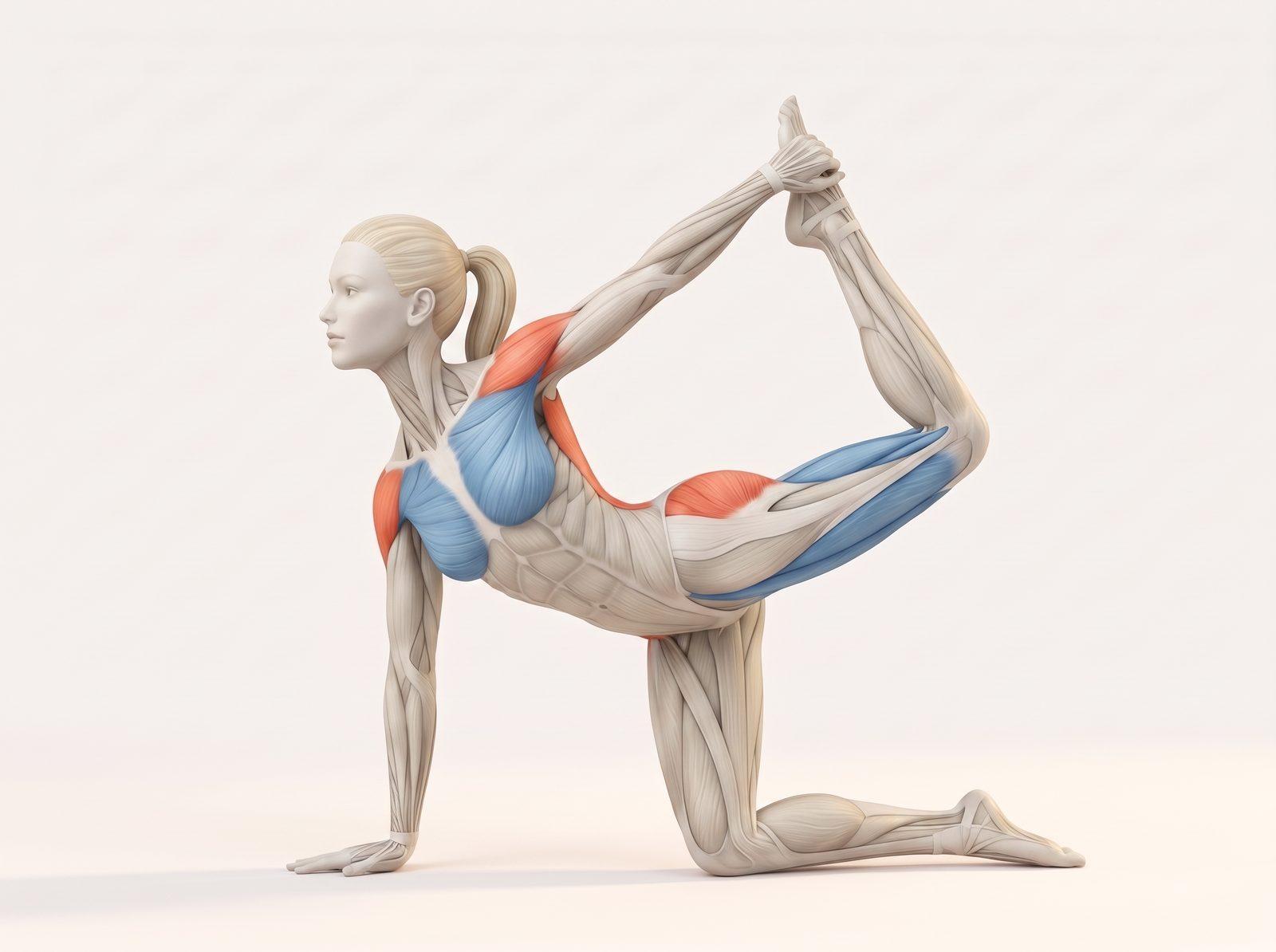
Working: Lifted-leg glutes, Supporting-arm shoulder, Back muscles
Stretching: Lifted-leg quadriceps, Lifted-leg hip flexors, Top-side chest and front of the shoulder
Full muscle breakdown ↓About This Pose
Tiger Pose (Vyaghrasana) is a dynamic kneeling backbend that mimics a tiger's powerful stretch. From tabletop, the practitioner reaches back to grasp the lifted foot while arching the spine and lifting the chest. This pose combines balance, flexibility, and strength in a way that awakens the entire body. The Sanskrit name comes from "Vyaghra" meaning tiger, evoking the powerful, graceful stretch of a big cat. Tiger Pose stretches the hip flexors and quadriceps of the lifted leg while opening the chest and shoulders. It builds core stability as the body works to maintain balance on three points of contact. The pose is energizing and invigorating, often used to warm up the spine and hips.
Muscles Worked in Tiger Pose (Tabletop Bow)
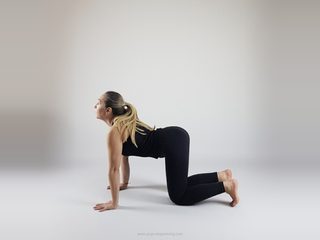
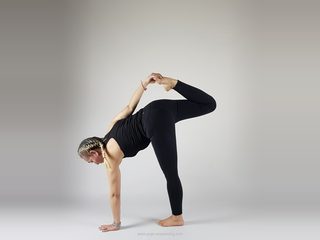
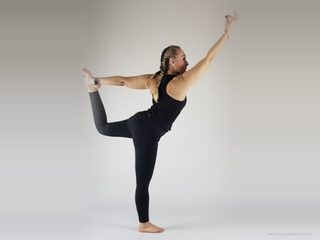
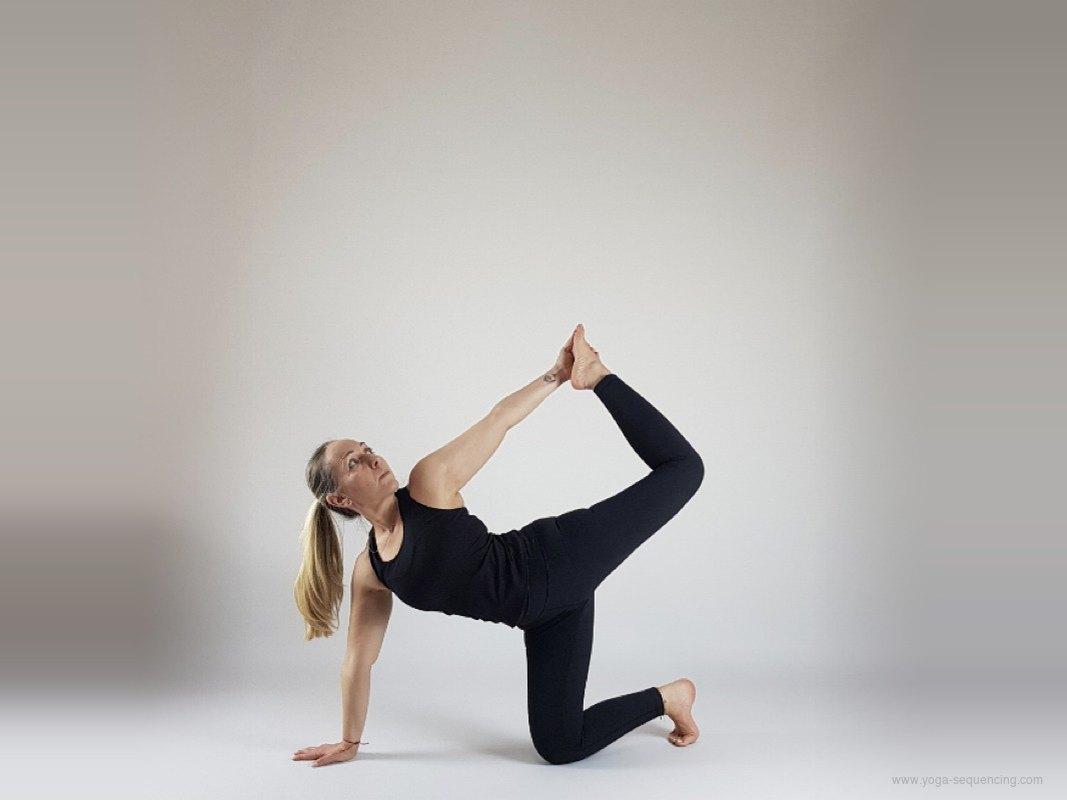
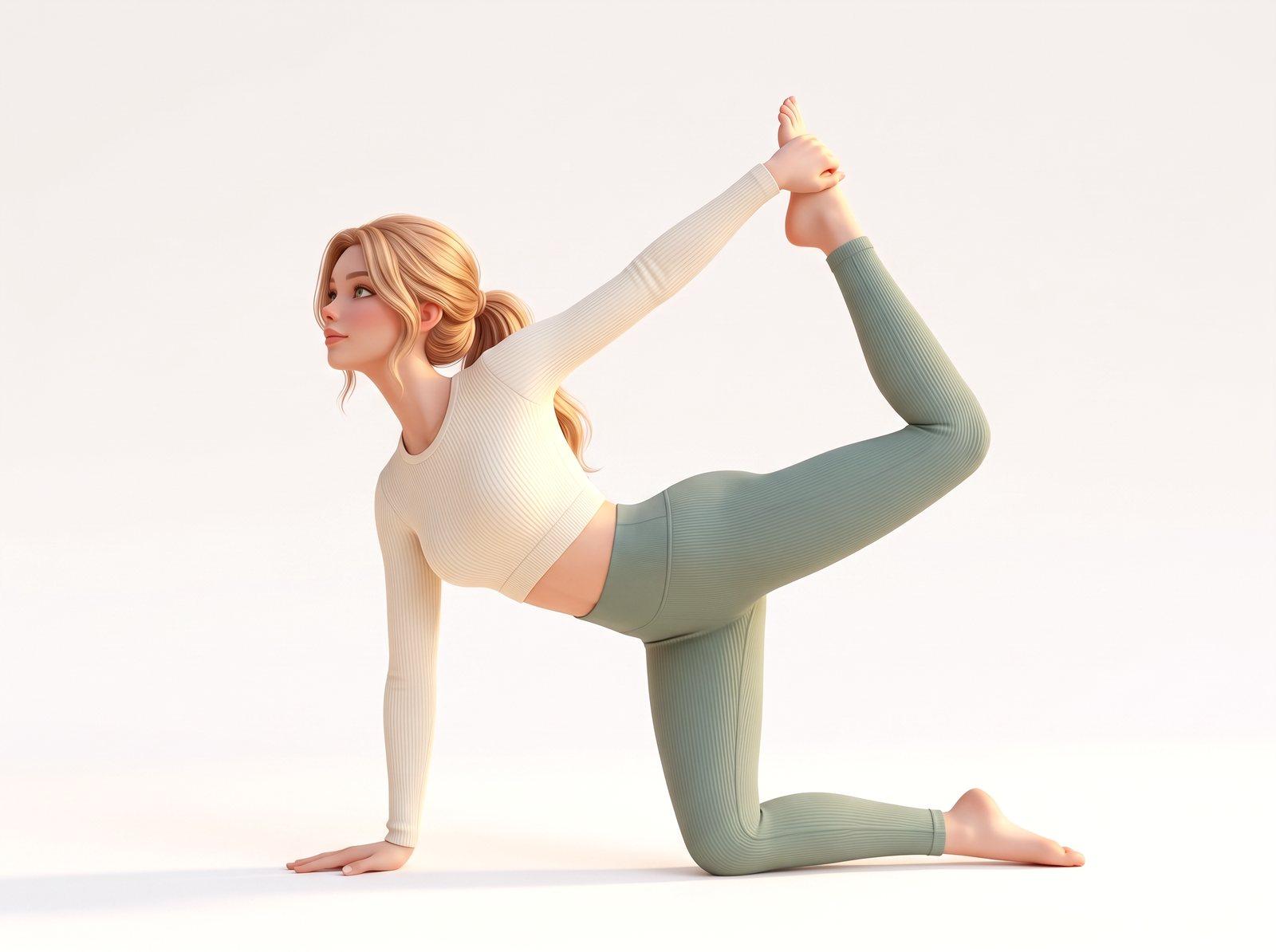
The photo shows a kneeling variation of Tiger Pose: one hand and one knee on the floor, the free leg bent behind and lifted, held by the top hand as the chest turns open to the side. The lifted-leg glutes and the supporting shoulder work, and the front of the lifted thigh and the open chest stretch.
Working
- Lifted-leg glutes (gluteus maximus, lifting the thigh back)
- Supporting-arm shoulder (deltoids)
- Back muscles (erector spinae)
Stretching
- Lifted-leg quadriceps (quadriceps femoris)
- Lifted-leg hip flexors (iliopsoas)
- Top-side chest and front of the shoulder (pectoralis major, anterior deltoid)
Also holding you steady: your core, rotator cuff, serratus anterior of the supporting arm and hip stabilisers (gluteus medius).
Variations and joint actions
- Classic Tiger (no hold): Lifting the bent leg with both hands down keeps the glute work and drops the quadriceps and chest stretch.
- Strap around the foot: A strap closes the gap when the hand cannot reach, so the shoulder is not wrenched back.
- Lifted hip extension
- Lifted knee deep flexion, foot held by the top hand
- Kneeling hip and knee flexion, about 90°
- Spine extension with rotation, chest turning open
- Supporting shoulder flexion, arm straight under the body
- Top shoulder extension and external rotation, reaching back to the foot
Roles are qualitative — this section does not measure how hard any muscle works. References: Leslie Kaminoff & Amy Matthews, Yoga Anatomy (Human Kinetics); Ray Long, The Key Muscles of Yoga (Bandha Yoga).
Step-by-Step Instructions
- 1
Begin on hands and knees in tabletop
- 2
Ensure wrists are under shoulders, knees under hips
- 3
Lift the right leg behind you, bending the knee
- 4
Bring the right heel toward the right glute
- 5
Reach back with the right hand to grasp the right foot
- 6
Simultaneously lift the chest and arch the upper back
- 7
Press the foot into the hand to deepen the stretch
- 8
Keep the left arm strong and supporting
- 9
Gaze forward or slightly upward
- 10
Hold for 5 breaths
- 11
Release with control and switch sides
Alignment Cues
- Supporting arm stays strong and stable
- Core engages to support the lower back
- Shoulder of the reaching arm draws back
- Chest lifts and opens forward
- Hips stay as level as possible
- Kick the foot into the hand for more opening
- Keep the neck long—don't crunch backward
Benefits
- Stretches hip flexors and quadriceps deeply
- Opens the chest, shoulders, and front body
- Strengthens the back, arms, and core
- Improves balance and coordination
- Warms the spine in preparation for backbends
- Stimulates abdominal organs
- Increases spinal flexibility
- Energizes and awakens the body
Modifications
- Use a strap around the foot if needed
- Keep the lifted leg lower
- Skip the foot grab and just extend the leg
- Practice near a wall for balance
Variations
- Dynamic Tiger: flow between rounded back and tiger stretch
- Both hands reaching back (more advanced)
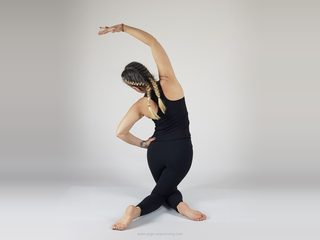
- Add a lateral stretch by leaning to one side
- Circle the lifted leg for hip mobility
Cautions & Contraindications
Cautions
- Warm up the spine before attempting
- Move into the pose gradually
- Keep the supporting arm strong
- Engage the core to protect the lower back
- Don't force the foot closer—let it come naturally
Avoid this pose if you have:
- Knee injuries
- Wrist injuries
- Severe lower back problems
- Shoulder injuries
- Neck injuries
Quick Facts
Primary Focus
hipsSecondary Focus
Suggested Hold
25 seconds
Tags
Equipment