Half Moon Pose
Ardha Chandrasana
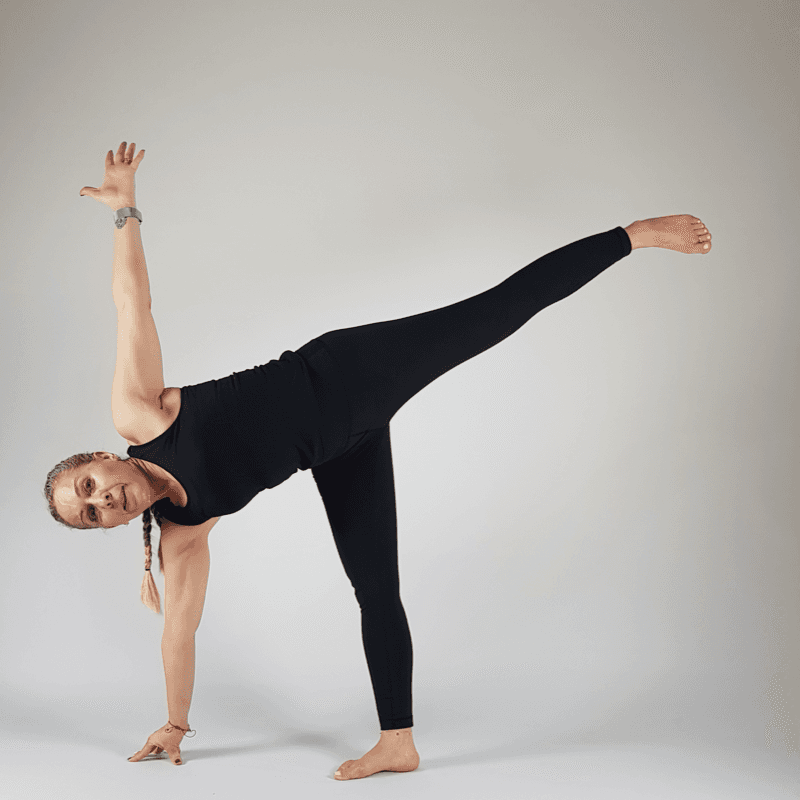
About This Pose
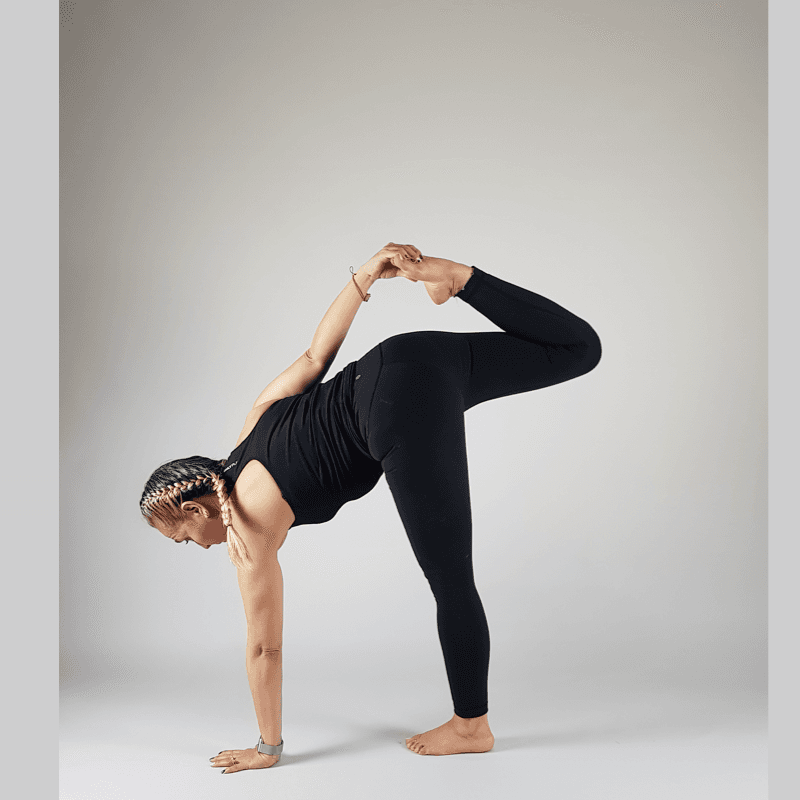
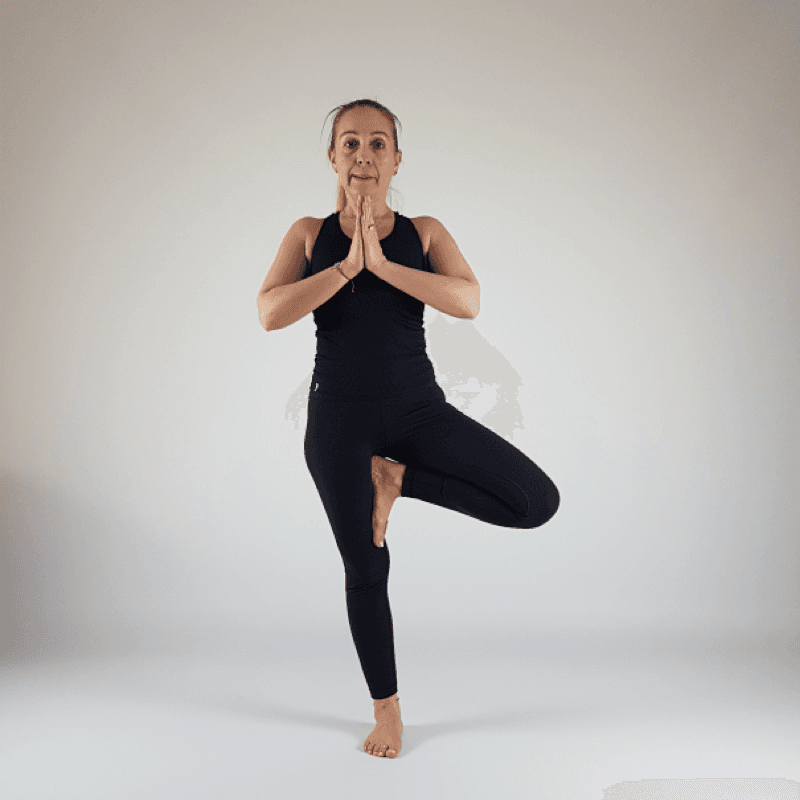
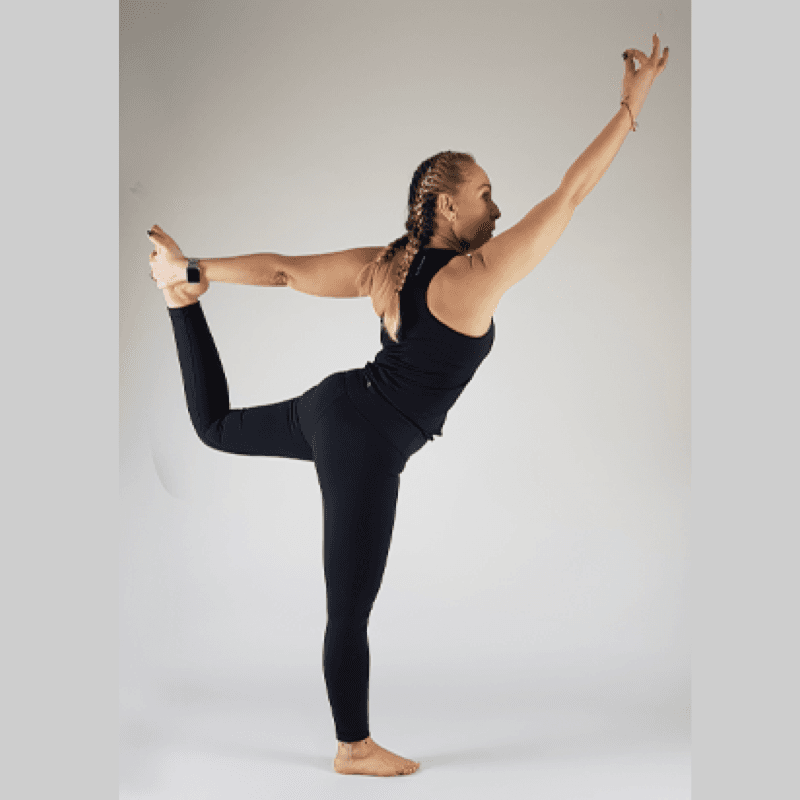
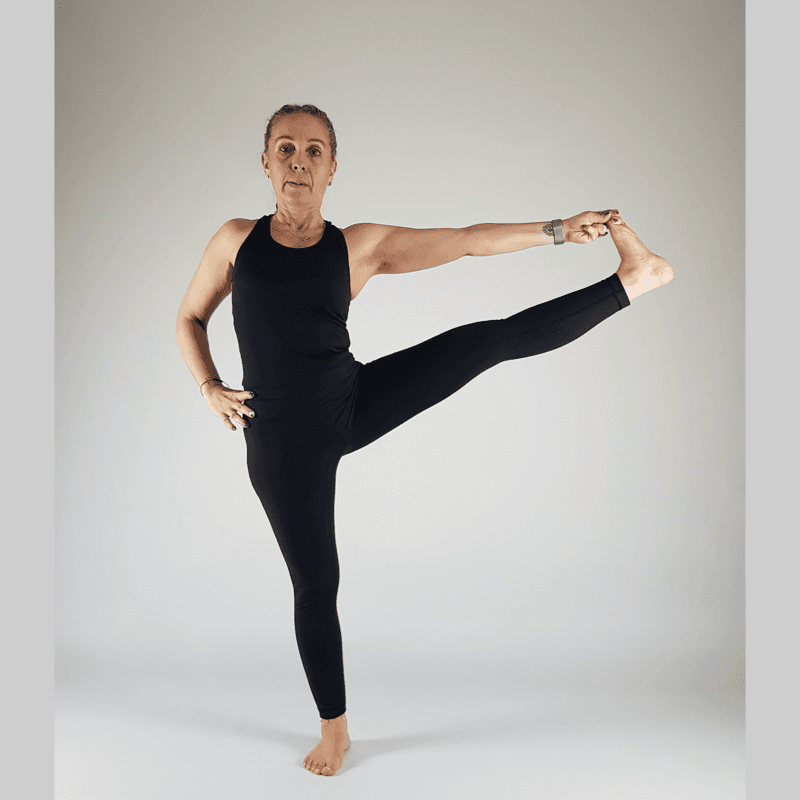
Half Moon Pose (Ardha Chandrasana) is a standing balance posture that creates the shape of a crescent moon with the body. The Sanskrit name comes from "Ardha" meaning half and "Chandra" meaning moon. This dynamic pose combines elements of a standing balance, hip opener, and subtle backbend, requiring focus, presence, and breath awareness. It strengthens the entire body—especially the thighs, ankles, and core—while opening the hips, chest, and shoulders. The pose develops proprioception and spatial awareness as practitioners learn to orient themselves in an unusual plane. Ardha Chandrasana is excellent for improving balance and focus, which translates to benefits in other sports and daily activities. It's particularly beneficial for runners and cyclists with tight hamstrings, as it provides a wonderful stretch for the back of the legs.
Step-by-Step Instructions
- 1
Begin in Triangle Pose (Trikonasana) with your right foot forward
- 2
Bend your right knee and shift your weight onto the right foot
- 3
Place your right fingertips or a block about 12 inches in front of your right foot
- 4
Lift your left leg parallel to the floor as you straighten the right leg
- 5
Flex your left foot and reach actively through the heel
- 6
Stack your left hip directly over your right hip, opening the body to the side
- 7
Extend your left arm toward the ceiling, creating one line from hand to hand
- 8
Turn your gaze up toward your left hand if your neck allows
- 9
Engage your core and reach through the crown of the head
- 10
Hold for 5-8 breaths, then bend the standing knee to exit
- 11
Return to Triangle Pose and repeat on the second side
Alignment Cues
- Stack the top hip directly over the bottom hip—avoid letting it roll forward
- Keep the standing leg strong but not locked; lift the kneecap
- Extend the lifted leg straight back at hip height, not higher
- Reach actively through both arms, as if being pulled in opposite directions
- Keep the spine long and neutral; avoid rounding or overarching
- Ground firmly through the standing foot, spreading the toes
- The bottom hand is for balance, not for bearing significant weight
Benefits
- Strengthens the thighs, ankles, feet, and core muscles significantly
- Improves balance, focus, and full-body coordination
- Opens the hips, groin, and chest expansively
- Stretches the hamstrings, calves, and spine
- Builds core stability and improves proprioception
- Relieves stress and improves concentration through focused practice
- Strengthens the standing leg and improves ankle stability
- Can help relieve symptoms of sciatica and lower back tension
- Improves body-to-mind connection and spatial awareness
Modifications
- Place a block under the bottom hand at any height for support
- Practice with the back foot supported against a wall for stability
- Keep the top hand on the hip instead of reaching up
- Look down or forward if turning the gaze up strains the neck
- Practice the Half Moon Prep variation with the top leg lower
Variations
- Revolved Half Moon (Parivrtta Ardha Chandrasana): Twist the torso toward the lifted leg
- Bound Half Moon: Bind the top arm around the back to grasp the inner thigh
- Sugar Cane Pose (Ardha Chandra Chapasana): Bend the top knee and reach back to hold the foot
- Half Moon against the wall: Practice with the entire back body supported by a wall
- Dynamic Half Moon: Flow between Triangle and Half Moon with breath
Cautions & Contraindications
Cautions
- Keep the standing knee soft with a micro-bend—avoid hyperextending
- Maintain a long spine; don't round or hunch forward
- Keep the lifted leg in line with the hip—don't lift higher than hip level
- If neck is sensitive, keep the gaze down or forward instead of up
- Use a block under the bottom hand for better alignment and stability
Avoid this pose if you have:
- Acute back injuries, slipped disc, or severe back pain
- Knee injuries or arthritis in the standing leg
- Severe hip or hamstring injuries
- Low blood pressure, vertigo, or severe balance disorders
- Pregnancy (especially in later stages due to balance challenges)
- High blood pressure or heart conditions
- Peptic ulcers, hernia, or acute digestive issues
Quick Facts
Primary Focus
hipsSecondary Focus
Suggested Hold
30 seconds
Tags
Equipment