Crescent Lunge
Ashta Chandrasana
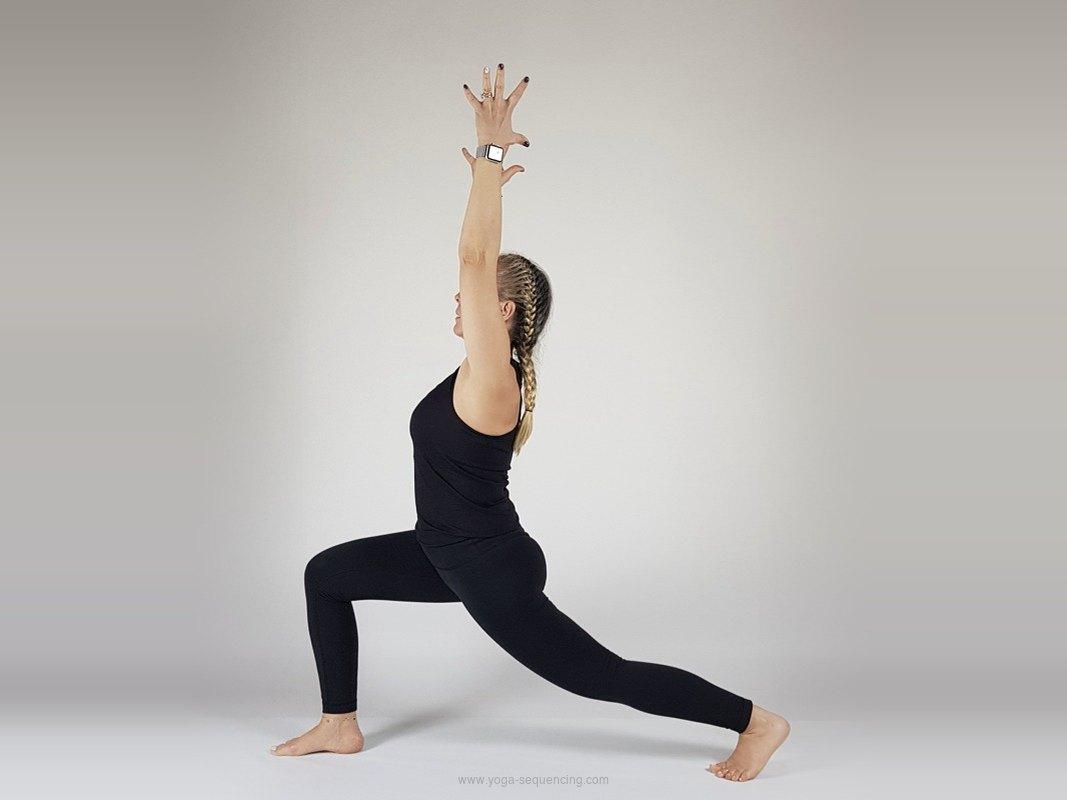
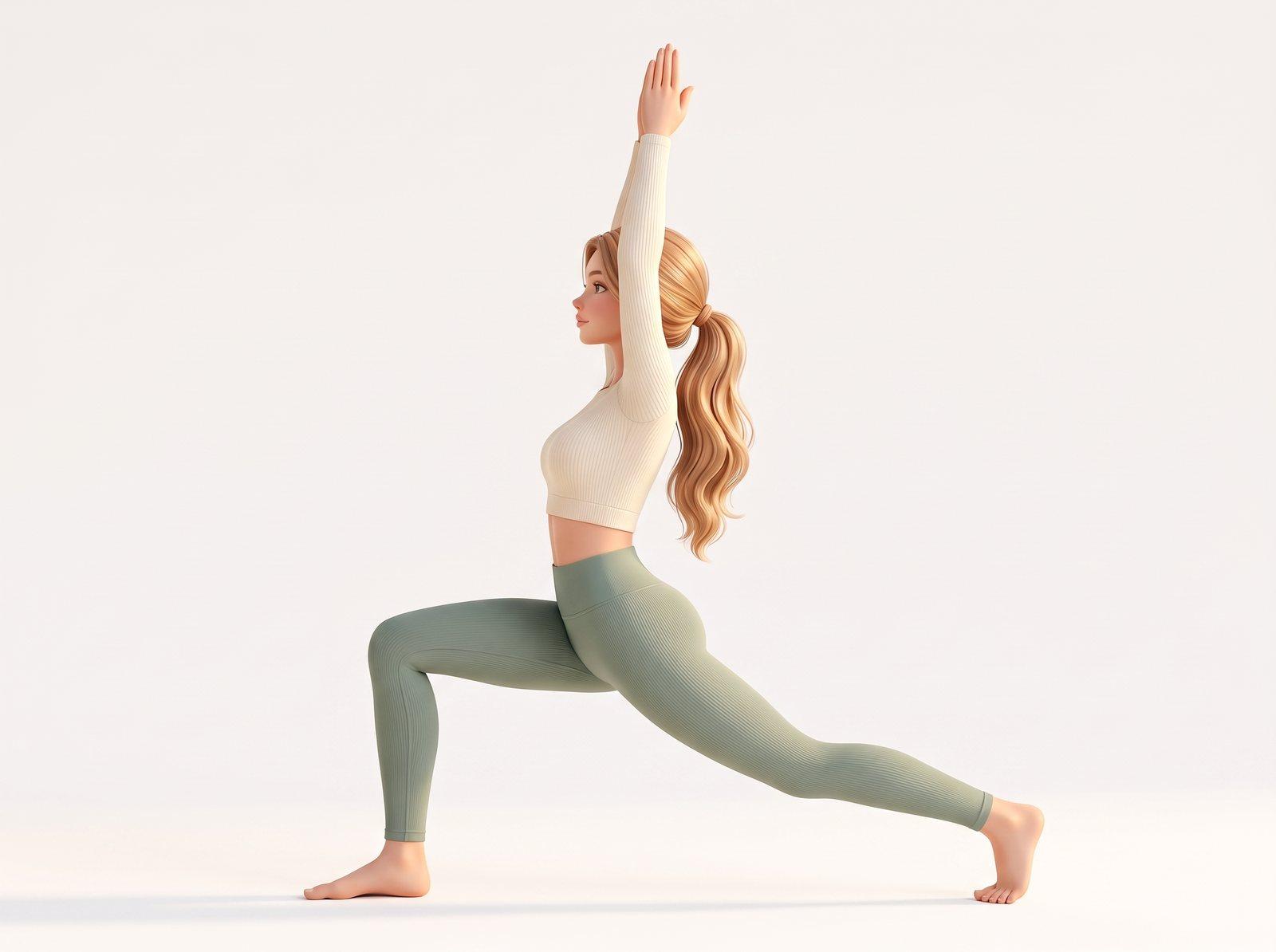
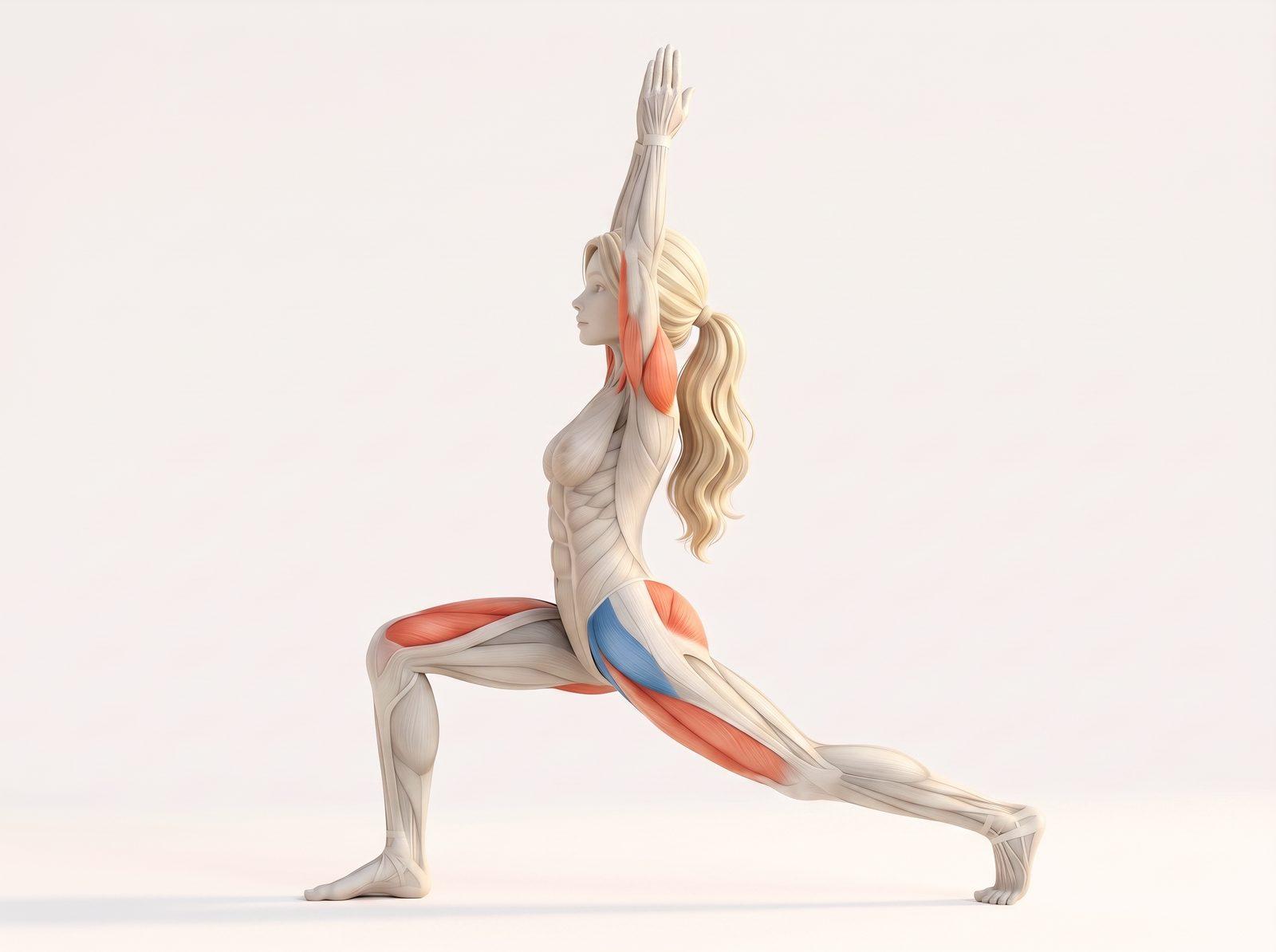
Working: Front-leg quadriceps, Front-leg glutes, Back-leg quadriceps, Shoulders
Stretching: Back-leg hip flexors
Full muscle breakdown ↓About This Pose
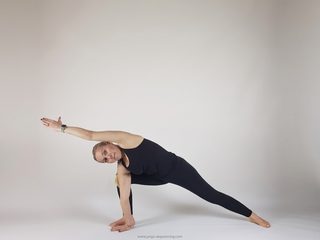
Crescent Lunge Variation explores different expressions of the high lunge, offering options for arm positions, torso angles, and intensity levels. While the basic lunge foundation remains the same, variations might include arms in cactus position, hands at heart, reaching forward, or adding twists and side bends. These variations allow practitioners to customize the pose based on their goals—more shoulder opening, increased core work, or greater hip flexor stretch. Understanding multiple variations makes the pose adaptable for different sequences and individual needs.
Muscles Worked in Crescent Lunge
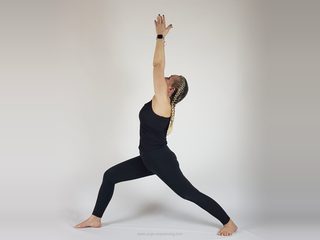
Crescent Lunge works the front-leg quadriceps and glutes, the back-leg quadriceps and the shoulders as the arms reach overhead, while it stretches the hip flexors of the straight back leg.
Working
- Front-leg quadriceps (quadriceps femoris)
- Front-leg glutes (gluteus maximus)
- Back-leg quadriceps (quadriceps femoris)
- Shoulders (deltoids)
Stretching
- Back-leg hip flexors (iliopsoas, rectus femoris)
Also holding you steady: your core, the muscles along your spine, hip stabilisers (gluteus medius) and the muscles of your feet and ankles.
Variations and joint actions
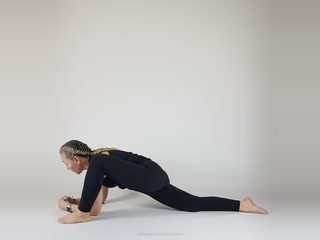
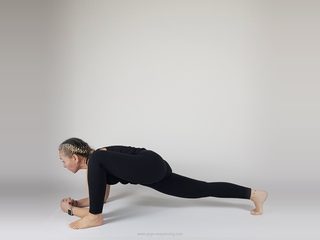
- Back knee down: Lowering the back knee (Low Lunge) takes the work out of the back leg and makes balance easier.
- Hands on hips: Takes the load off the shoulders so attention can stay on the legs and pelvis.
- Front hip flexion
- Front knee flexion, over the ankle
- Back hip extension
- Back knee extension
- Back ankle heel lifted, toes extended
- Spine long, upright
- Shoulders full flexion, arms overhead
Roles are qualitative — this section does not measure how hard any muscle works. References: Leslie Kaminoff & Amy Matthews, Yoga Anatomy (Human Kinetics); Ray Long, The Key Muscles of Yoga (Bandha Yoga).
Step-by-Step Instructions
- 1
Establish Crescent Lunge foundation
- 2
Front knee over ankle, back leg strong
- 3
Choose your arm variation
- 4
Options: overhead, cactus, prayer, forward reach
- 5
Maintain stable lower body
- 6
Let upper body express the variation
- 7
Breathe fully
- 8
Hold for 5-8 breaths
- 9
Return to neutral and switch sides
Alignment Cues
- Lunge foundation stays consistent
- Hips stay squared
- Core remains engaged
- Arm variation adds upper body focus
- Breath guides the expression
- Shoulders stay relaxed
- Gaze appropriate to variation
Benefits
- Offers customizable options
- Addresses different focus areas
- Adapts to individual needs
- Stretches hip flexors
- Strengthens legs and core
- Builds balance
- Provides variety in practice
- Allows creative sequencing
Modifications
- Lower back knee for stability
- Simpler arm positions
- Shorter holds
- Blocks for support
Variations
- Cactus arms
- Prayer hands
- Reaching forward
- Adding twist or side bend
Cautions & Contraindications
Cautions
- Maintain lunge alignment in all variations
- Keep front knee stable
- Don't sacrifice foundation for arm variations
- Stay connected to breath
- Choose variation appropriate for your body
Avoid this pose if you have:
- Knee injuries
- Balance disorders
- Shoulder injuries (for certain arm variations)
Quick Facts
Primary Focus
hipsSecondary Focus
Suggested Hold
30 seconds
Tags
Equipment