FLOW Yoga Sequence BuilderFLOW Yoga Sequence Builder
90 min · advanced

Ashtanga Yoga Primary Series Sequence

The Ashtanga Primary Series in its set order — sun salutes, standing, seated, finishing — with breath counts and teacher cues you can practice or teach today.

Share
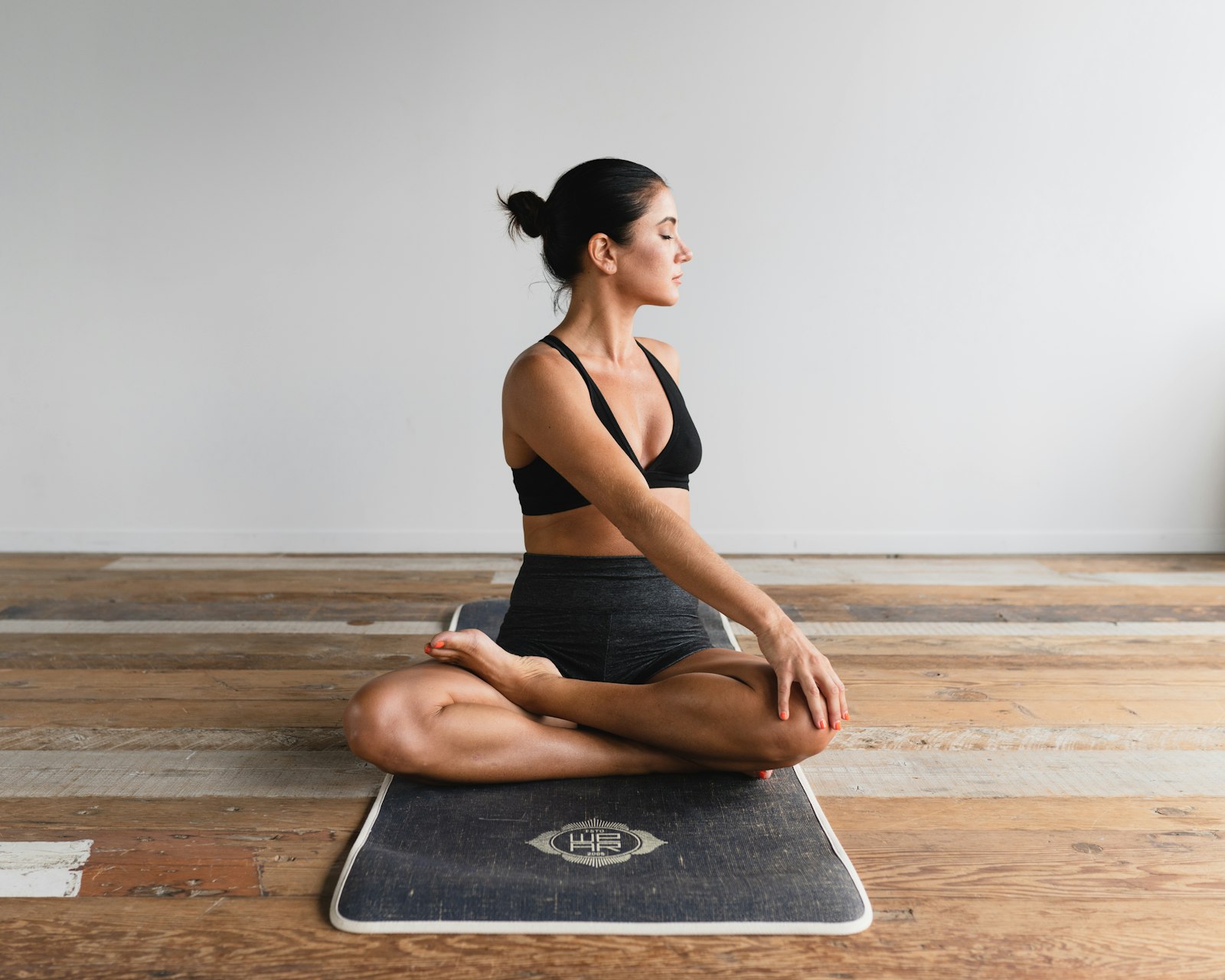
Practitioner in Marichyasana A on a mat at sunrise

The Primary Series — Yoga Chikitsa, or "yoga therapy" — is the first of six set sequences codified by Sri K. Pattabhi Jois in Mysore, drawing on the teachings he received from T. Krishnamacharya in the 1930s. The order is fixed. The breath count is fixed. The point of fixing both is so that the practitioner can stop choosing what comes next and simply meet what's in front of them on the mat that morning. Practice one pose well enough and the next pose arrives.

Two formats coexist in the tradition. A led class is what most studios advertise: a teacher calls the count in Sanskrit, the whole room moves together, and you finish the standing and seated sequence in roughly 90 minutes. Mysore style is the older, quieter format. Students arrive within a window, practice the sequence at their own pace, and the teacher walks the room giving adjustments and adding poses one at a time as you're ready. Most teachers will tell you Mysore is where the method actually lives — led classes are essentially a periodic check-in on your count.

What follows is the full standing-through-finishing arc, with breath counts as Pattabhi Jois taught them. Hold each posture for five breaths unless noted. Vinyasa (chaturanga, up dog, down dog) between sides on the seated postures keeps the body warm and the nervous system calm. If you're new to this, treat the list as a map, not a test. Reach Navasana, do your closing postures, lie down. Tomorrow, do it again.

Who this sequence is for

Best for practitioners who already have a confident chaturanga, comfortable down dog, and a working knowledge of standing poses. Most teachers ask you to put in at least six months of strong vinyasa or hatha practice before attempting Primary in full. If you're brand new to yoga, start with a beginner sequence or the half-Primary (standing only) and build a daily practice first. Pregnant students and anyone with disc injury, untreated hypertension, or a hot recent shoulder surgery should work with an experienced Ashtanga teacher rather than self-led. The method rewards consistency over intensity.

How to teach (or practice) it

Teach this as a led primary class or use it as a home practice script. The full sequence below runs about 90 minutes at a steady five-breath hold; new practitioners often work a half-primary (sun salutes through standing, then straight to finishing) in 45 minutes until the stamina is there.

Open with three Surya A and three Surya B. Move into the standing sequence without breaks — Padangusthasana through Parsvottanasana sets the legs and spine for what's coming. The seated sequence is where Primary does its therapeutic work: forward folds, twists, hip openers, each linked by a half-vinyasa. Finish with the backbends (Urdhva Dhanurasana), the closing inversions (shoulderstand through headstand), and a real Savasana of at least ten minutes.

Breath is Ujjayi throughout — audible but not strained. Bandhas (Mula and Uddiyana) engage from sun salutes onward. Drishti (gaze) is named for every posture in the tradition; pick one and use it. Don't add music. Don't pause the count to explain. The sequence is the teaching.

The Sequence

18 poses · 90 min

  1. 1
    Sun Salutation A
    Surya Namaskara A
    5 rounds

    One breath per movement. Inhale up, exhale fold.

  2. 2
    Sun Salutation B
    Surya Namaskara B
    3-5 rounds

    Warrior I right, then left, each linked by chaturanga.

  3. 3
    Big Toe Pose
    Padangusthasana
    5 breaths

    Hook the big toes, lengthen the front body on the inhale.

  4. 4
    Hand-Under-Foot Pose
    Padahastasana
    5 breaths

    Palms under the soles, draw the elbows out wide.

  5. 5
    Triangle Pose
    Utthita Trikonasana
    5 breaths each side

    Front-hand fingertips to the floor, back arm reaches the ceiling.

  6. 6
    Revolved Triangle
    Parivrtta Trikonasana
    5 breaths each side

    Square the hips first, then rotate from the mid-spine.

  7. 7
    Extended Side Angle
    Utthita Parsvakonasana
    5 breaths each side

    Front knee stacks over the ankle; reach the top arm past the ear.

  8. 8
    Wide-Legged Forward Fold A
    Prasarita Padottanasana A
    5 breaths

    Crown of the head to the floor, hands shoulder-width.

  9. 9
    Intense Side Stretch
    Parsvottanasana
    5 breaths each side

    Hips square; reverse prayer if the shoulders allow.

  10. 10
    Seated Forward Fold
    Paschimottanasana
    5 breaths, 3 variations

    Lead with the sternum, not the forehead.

  11. 11
    Bound Half-Lotus Forward Fold
    Ardha Baddha Padma Paschimottanasana
    5 breaths each side

    Foot high on the thigh, bind around the back if possible.

  12. 12
    Marichyasana A through D
    5 breaths each side, each pose

    Lengthen up before twisting. The bind is the last step.

  13. 13
    Boat Pose
    Navasana
    5 breaths x 5 rounds

    Lift between rounds — hands on the floor, hips off.

  14. 14
    Tortoise Pose
    Kurmasana / Supta Kurmasana
    5 breaths each

    Heels lift, chest reaches forward and down.

  15. 15
    Upward Bow
    Urdhva Dhanurasana
    5 breaths x 3 rounds

    Press evenly through hands and feet; lift the chest toward the wall behind you.

  16. 16
    Shoulderstand
    Sarvangasana
    15-25 breaths

    Walk the hands up the back; weight in the upper arms, not the neck.

  17. 17
    Headstand
    Sirsasana
    15-25 breaths

    Forearms press the floor; lift the shoulders away from the ears.

  18. 18
    Corpse Pose
    Savasana
    10 minutes

    No music, no count. Let the practice land.

Coaching notes

Watch for the rushed chaturanga — it's the most-repeated shape in the practice and the first place shoulders break down. Five clean breaths in down dog are worth more than skipping ahead. In Marichyasana C and D, the bind comes from rotating the spine first; people grab for the hand and end up rounding the lower back. Cue them to lengthen, twist, then reach.

Navasana (five times, with the lift in between) is where new practitioners quit. Let them. Coming back tomorrow is the practice. Same for Supta Kurmasana — most students will work in Kurmasana alone for months or years before the legs cross behind the head, and that's normal.

Backbends after Setu Bandhasana need supervision the first few times. Three Urdhva Dhanurasanas, then the catch-the-ankles drop-back work only with a teacher present. Finishing postures aren't optional — Sarvangasana and the closing sequence are what lets the nervous system come down before you stand up and drive somewhere.

FAQ

How long does the full Primary Series take?+

A led class runs 90 minutes including a 10-minute Savasana. Mysore-style practice of the full sequence usually takes 75-105 minutes once you know the order, longer when you are still being given new postures.

What is the difference between led Primary and Mysore-style?+

Led Primary moves the whole room together on a Sanskrit count, like a periodic test of your rhythm. Mysore-style is self-paced practice in a shared room with a teacher giving individual adjustments — it is the format Pattabhi Jois taught daily in Mysore and most senior teachers consider it the heart of the method.

Can a beginner practice the Primary Series?+

Not in full. Start with a beginner or hatha sequence to build six months of consistent practice, then learn the half-Primary (sun salutations through standing) before attempting the seated postures. The method is built for daily practice, so stamina comes from showing up, not from straining.

How often should you practice Ashtanga?+

The traditional schedule is six days a week with one rest day (Saturday) and rest on moon days and the first three days of the menstrual cycle for women. Most students practicing at home do well with four to five mornings a week.

Why is the sequence always in the same order?+

Each posture prepares the body for the next. Removing the choice of what comes next is part of the practice — it builds steadiness in the mind and lets you measure progress against a fixed yardstick over months and years.

FLOW Yoga Sequence Builder

Build your own style sequence in minutes

Drag-and-drop in the FLOW builder. Set per-pose duration, side, and notes. Save, share, and export to PDF. Free to start; Pro from $5/mo billed yearly with a 3-day trial.