
Standing Forward Fold
Uttanasana
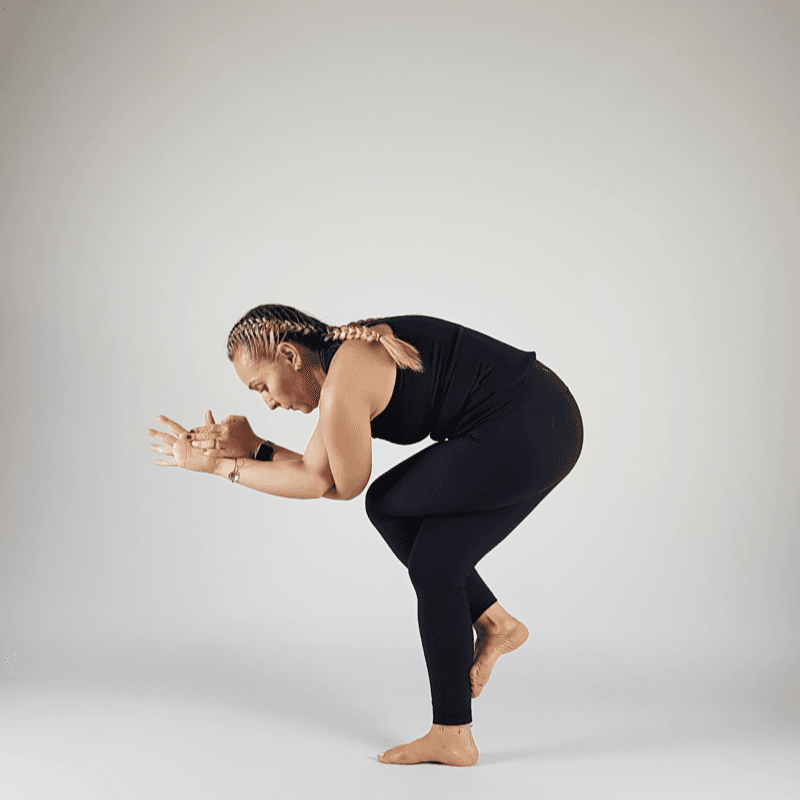
About This Pose
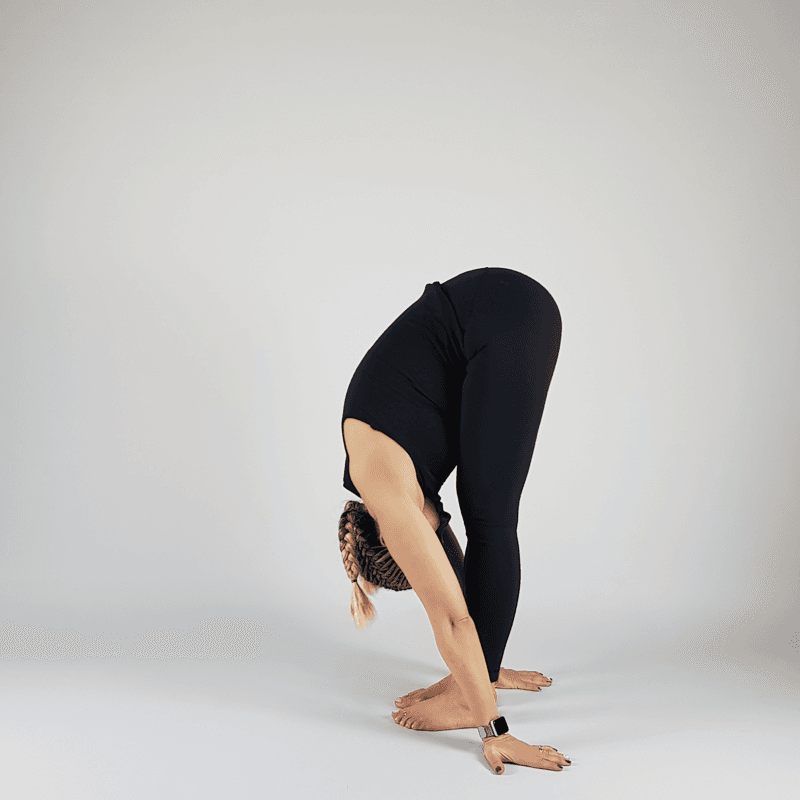
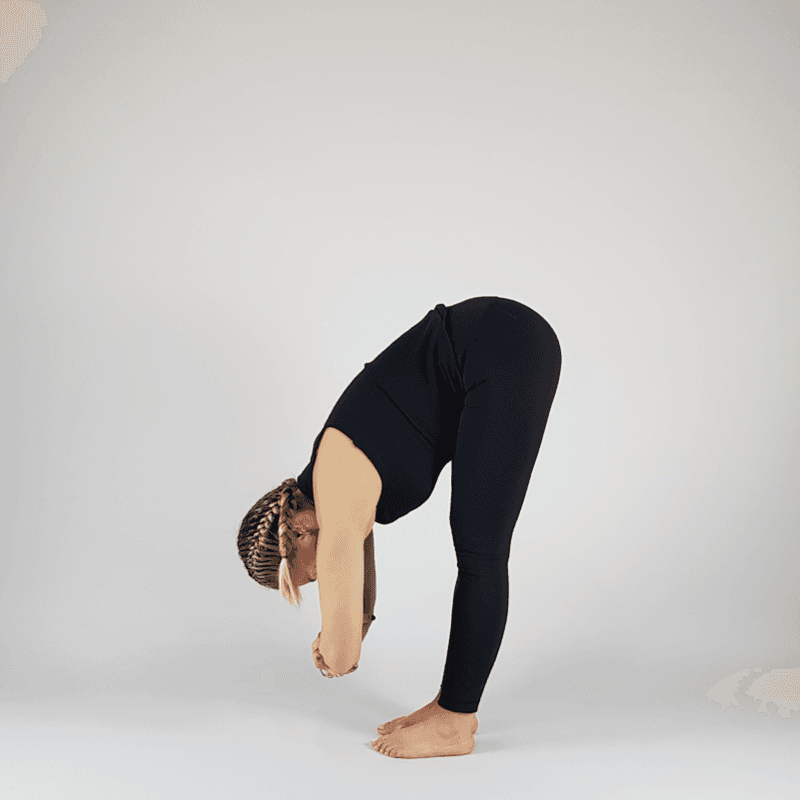
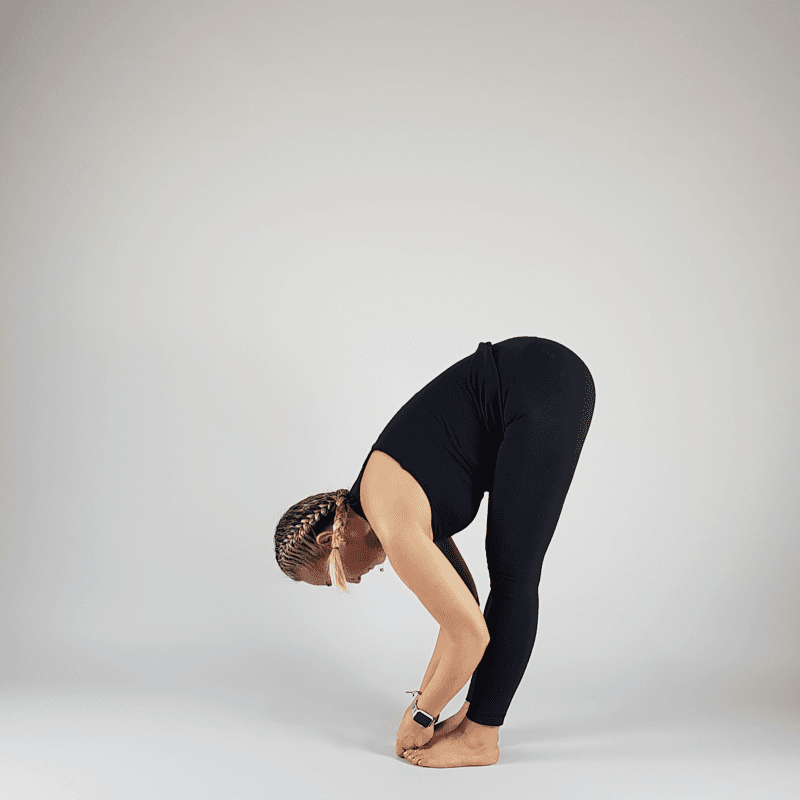
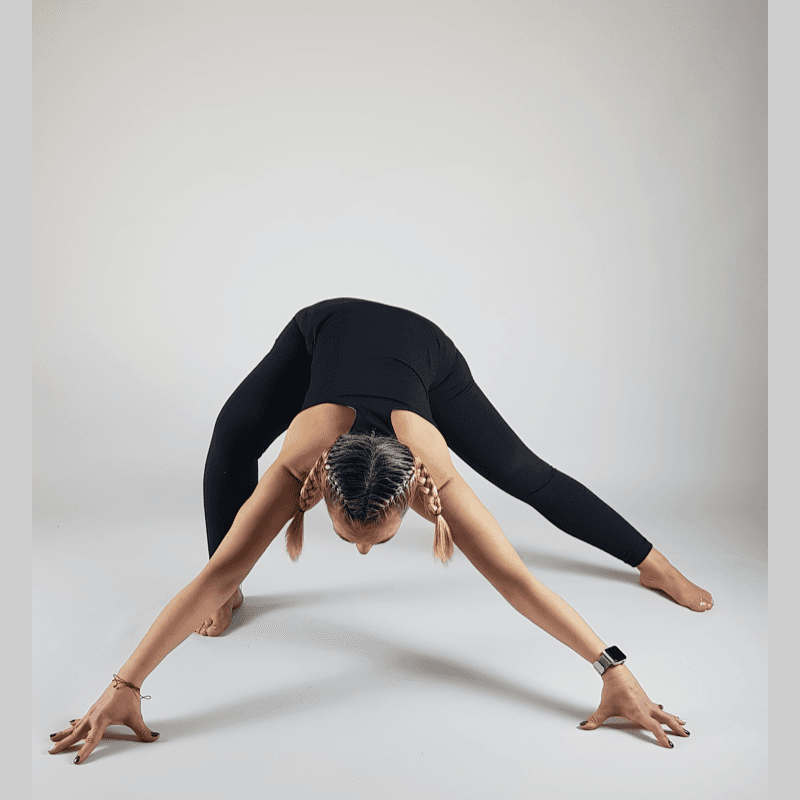
Standing Forward Fold (Uttanasana) is one of yoga's most fundamental and frequently practiced poses. The Sanskrit name comes from "Ut" meaning intense and "Tan" meaning to stretch or extend, describing the intense stretch along the entire back of the body. This pose appears in virtually every yoga class, serving as both a standalone posture and a transition in Sun Salutations. Uttanasana stretches the hamstrings, calves, and hips while lengthening the spine. As a mild inversion with the head below the heart, it calms the nervous system and can help relieve stress, anxiety, and mild depression. The pose teaches surrender—learning to let go and allow gravity to do the work rather than forcing.
Step-by-Step Instructions
- 1
Begin standing in Mountain Pose (Tadasana)
- 2
Feet hip-width apart or together
- 3
On an exhale, hinge at the hips and fold forward
- 4
Lead with the chest, keeping the spine long
- 5
Bend the knees as much as needed
- 6
Let the head hang heavy, releasing the neck
- 7
Place hands on the floor, blocks, or hold opposite elbows
- 8
Shift weight slightly toward the balls of the feet
- 9
Let gravity deepen the stretch
- 10
Hold for 5-10 breaths
- 11
Rise slowly by rolling up or with a flat back
Alignment Cues
- Hinge from the hip creases, not the waist
- Keep the spine long as you fold
- Knees can be bent to protect the lower back
- Let the head and neck be completely relaxed
- Weight shifts slightly forward toward the toes
- Sit bones reach toward the ceiling
- Feet ground evenly into the floor
Benefits
- Stretches hamstrings, calves, and hips deeply
- Lengthens and decompresses the spine
- Calms the brain and relieves stress
- Reduces anxiety and fatigue
- Stimulates liver and kidneys
- Improves digestion
- Relieves tension in the neck and shoulders
- Can help reduce symptoms of menopause
Modifications
- Bend knees generously for tight hamstrings
- Use blocks under hands
- Hold opposite elbows and sway gently
- Practice with back against a wall
Variations
- Ragdoll: hold opposite elbows and sway
- Hands interlaced behind back
- Grab big toes or sides of feet
- Halfway Lift between full folds
Cautions & Contraindications
Cautions
- Bend knees if hamstrings are tight
- Don't lock the knees—keep a micro-bend
- Let the head hang naturally—don't strain the neck
- Rise slowly to avoid dizziness
- Keep weight slightly forward in the feet
Avoid this pose if you have:
- Back injuries (modify with bent knees)
- Low blood pressure
- Glaucoma or other eye conditions
- Late-term pregnancy
- Recent hamstring injury
Quick Facts
Primary Focus
hamstringsSecondary Focus
Suggested Hold
30 seconds
Tags
Equipment
Related Poses
Sequences with this pose
Teacher-written sequences that use Standing Forward Fold.
A Yoga Sequence for Tight Hamstrings That Lengthens Without Forcing
40 min · 11 poses · all-levels
A Yoga Sequence That Treats Your Knees Like the Hinges They Are
30 min · 14 poses · all-levels
A hatha sequence built around the holds, not the transitions
75 min · 18 poses · all-levels
Ashtanga Yoga Primary Series Sequence
90 min · 16 poses · advanced