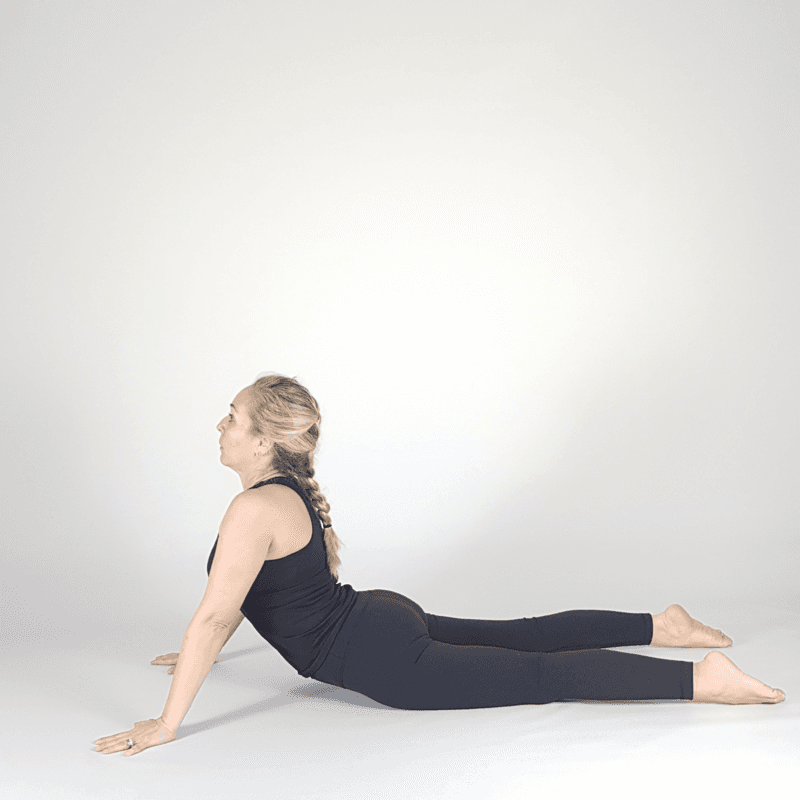
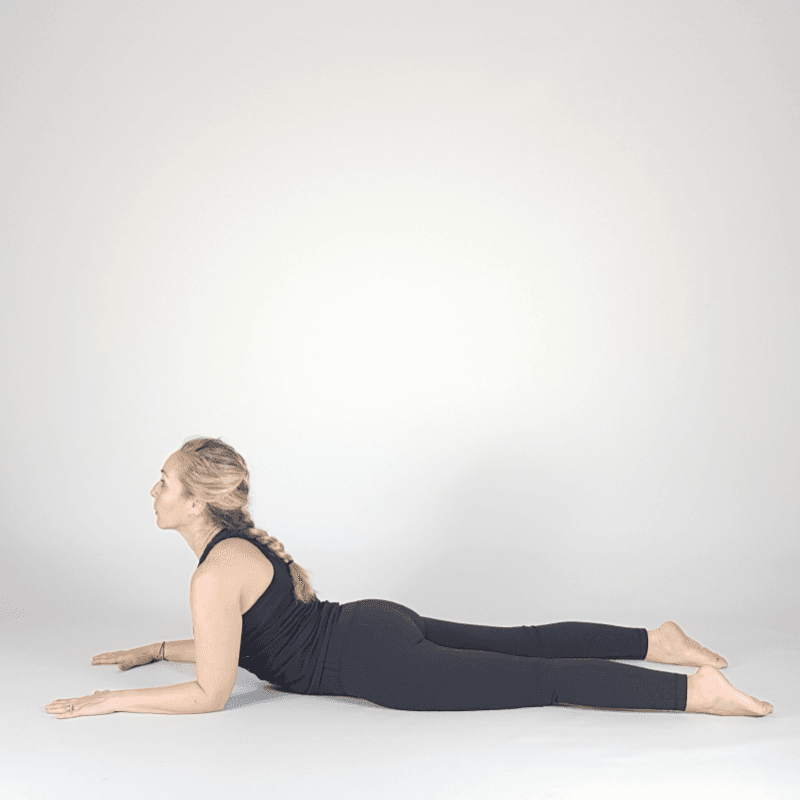
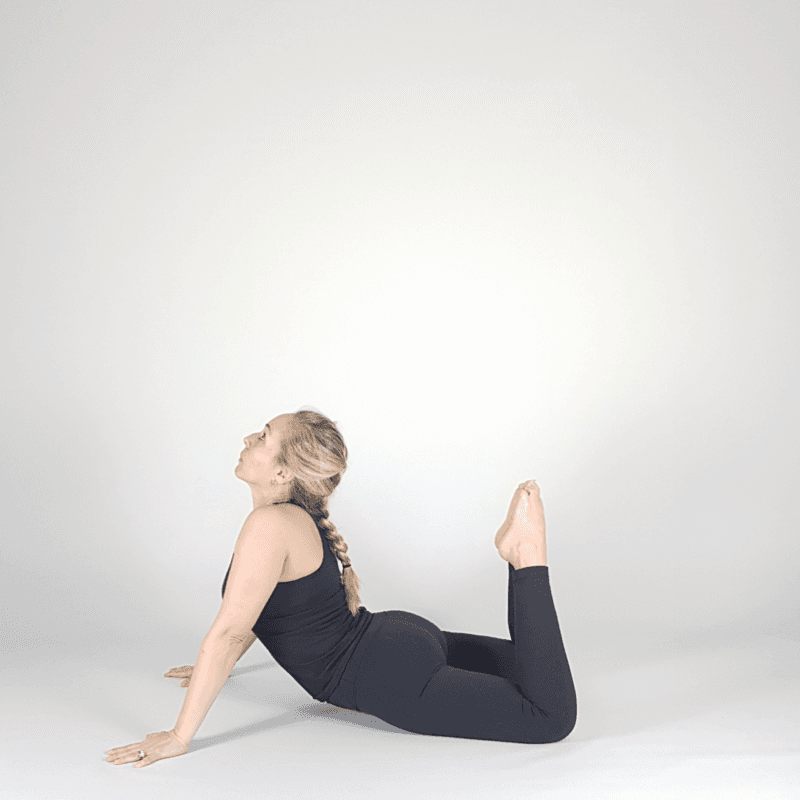
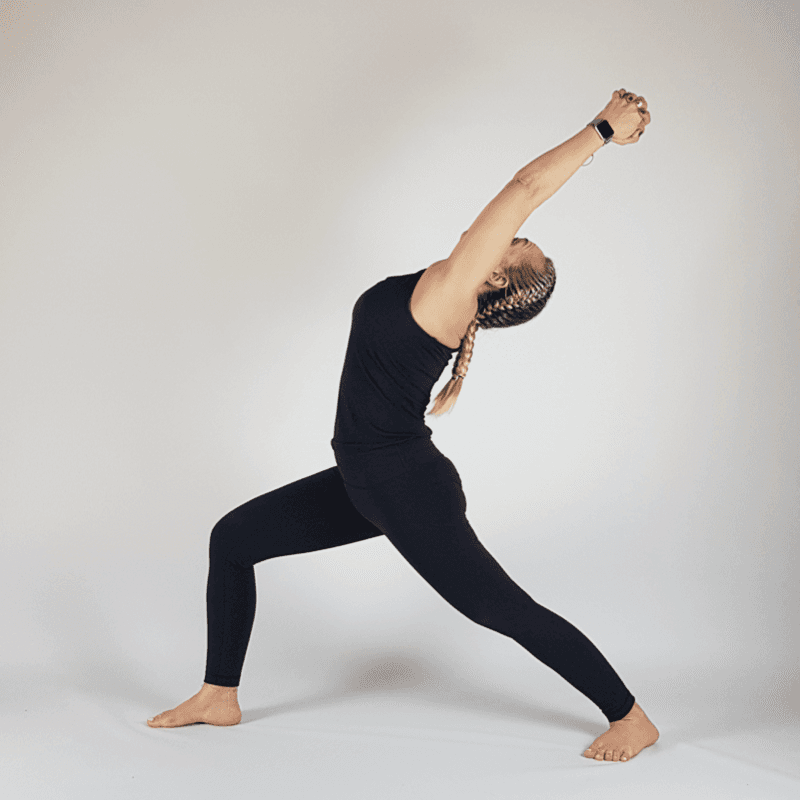
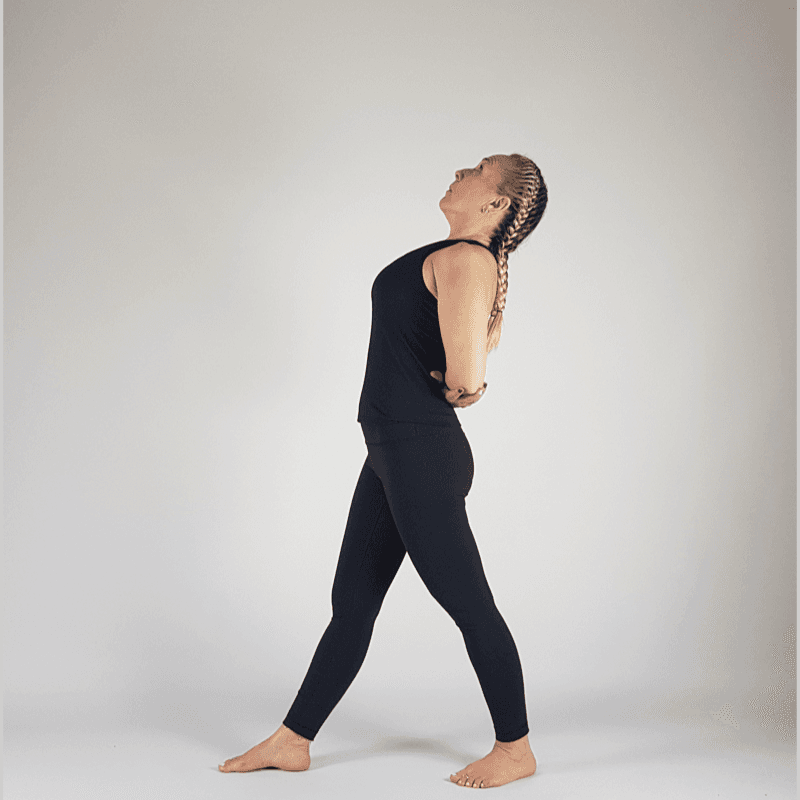
Standing Backbend with Hands on Lower Back
Anuvittasana Variation
About This Pose
Standing Backbend with Hands on Lower Back (Anuvittasana Variation) offers a safe and supported way to experience spinal extension while standing. By placing the hands on the lower back, practitioners create a supportive "shelf" that protects the lumbar spine while allowing the thoracic spine to open. This variation is ideal for beginners learning to backbend safely, those with lower back sensitivity, or as a gentle warm-up before deeper backbends. The hand placement provides proprioceptive feedback, helping practitioners understand where the backbend should originate (upper back) versus where it should be supported (lower back). This foundational pose teaches the principles of safe backbending that apply to all posterior spine extensions.
Step-by-Step Instructions
- 1
Stand in Mountain Pose with feet hip-width apart
- 2
Place your hands on your lower back, fingers pointing down
- 3
Press the heels of your hands into the sacrum area
- 4
Engage your core and squeeze your glutes slightly
- 5
On an inhale, lift your chest toward the ceiling
- 6
Allow the upper back to arch while the hands support the lower back
- 7
Keep your head in line with the spine or gaze slightly up
- 8
Press your hips slightly forward to deepen (optional)
- 9
Breathe smoothly for 3-5 breaths
- 10
Engage the core and slowly return to standing
Alignment Cues
- Feet grounded, hip-width apart or together
- Hands create a supportive shelf on the lower back
- Glutes engaged to stabilize the pelvis
- Backbend happens in the thoracic spine
- Lower back is supported, not compressed
- Neck stays long—don't drop the head back
- Core remains engaged throughout
Benefits
- Opens the chest and front shoulders safely
- Stretches the abdomen and hip flexors
- Counteracts forward posture from sitting
- Teaches safe backbending mechanics
- Energizes and uplifts mood
- Improves spinal mobility
- Strengthens the back muscles
- Accessible entry to backbend practice
Modifications
- Keep the backbend very small initially
- Stand against a wall for support
- Keep the gaze forward instead of up
- Focus on chest lift rather than back arch
Variations
- Arms reaching overhead for deeper opening
- One arm overhead, one on lower back
- Flowing movement: inhale back, exhale forward
- Progress to standing backbend without hand support
Cautions & Contraindications
Cautions
- Initiate the bend from the upper back, not lower
- Keep the hands firmly pressing into the lower back
- Engage the glutes to support the pelvis
- Don't throw the head back—keep the neck long
- Move slowly and mindfully
Avoid this pose if you have:
- Acute lower back injuries
- Spinal stenosis
- Severe disc problems
- Vertigo or dizziness
- Uncontrolled high blood pressure
- Pregnancy in later stages
Quick Facts
Primary Focus
spineSecondary Focus
Suggested Hold
15 seconds
Tags