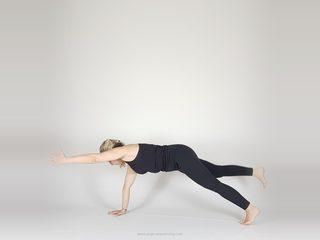
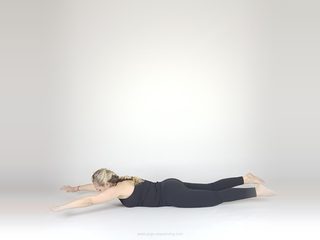
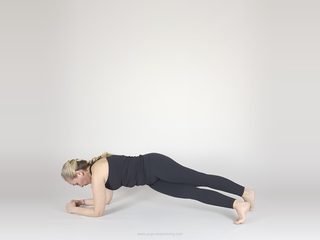
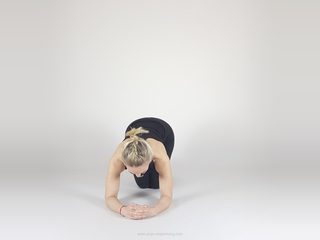
Plank Pose
Kumbhakasana
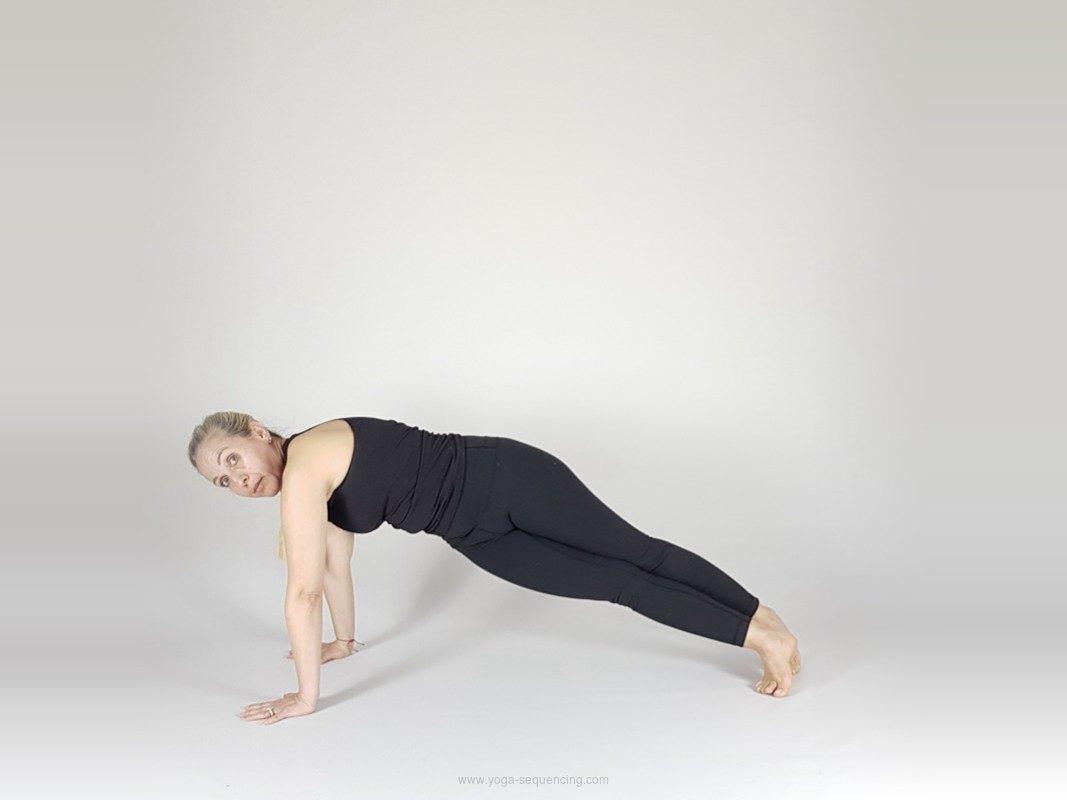
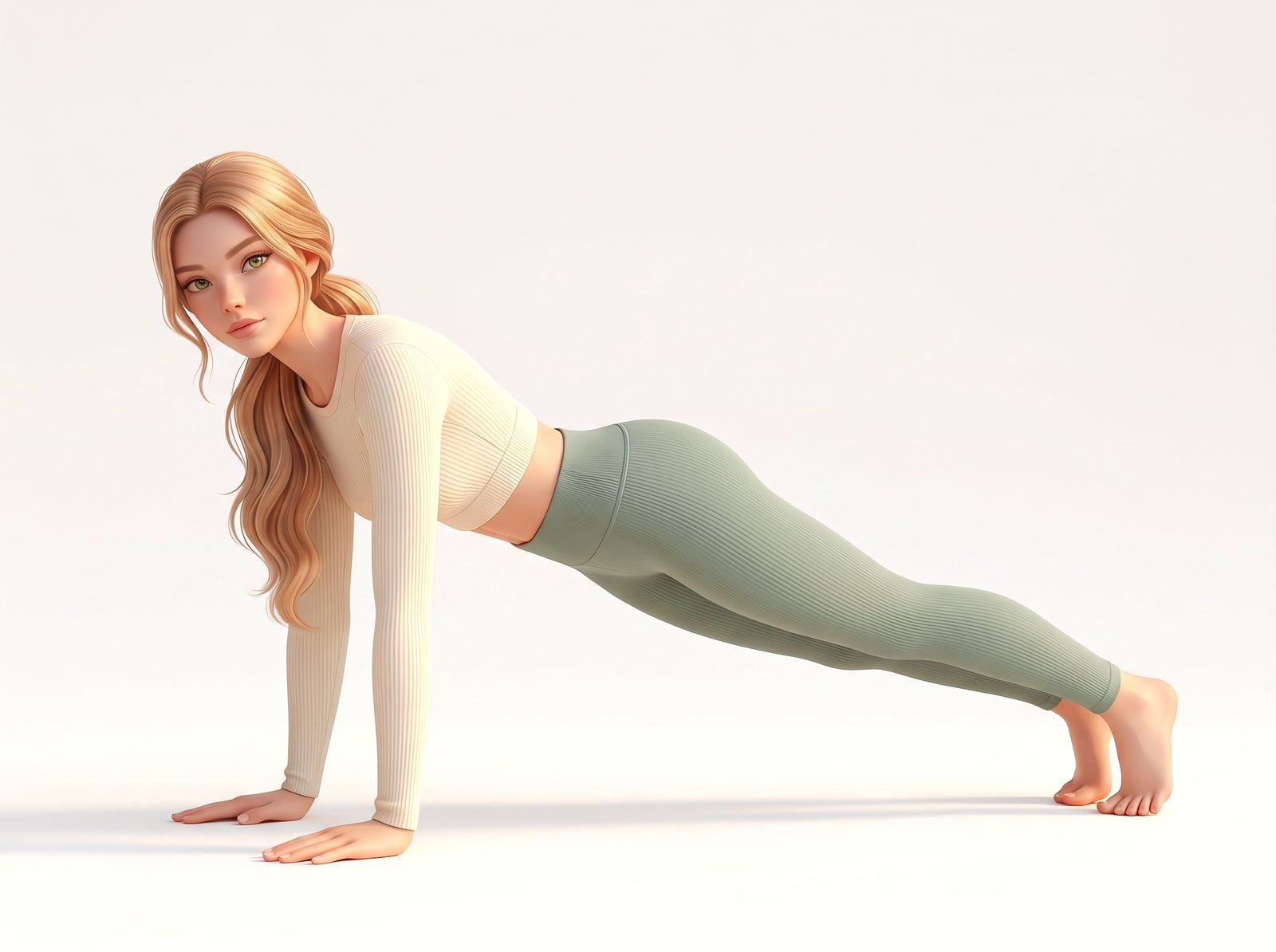
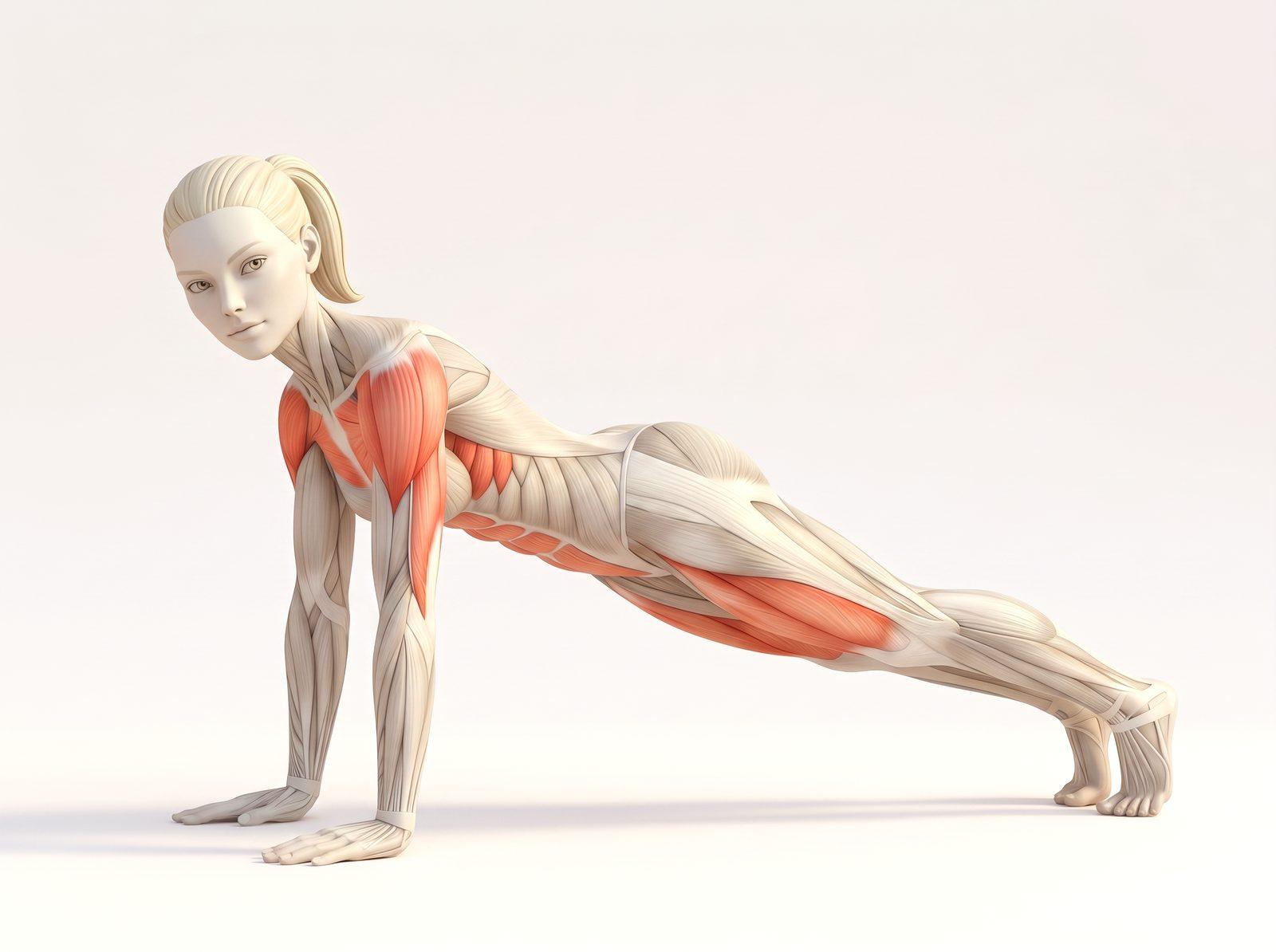
Working: Abdominals, Chest, Shoulders, Triceps, Serratus anterior, Quadriceps
Full muscle breakdown ↓About This Pose
Plank Pose (Kumbhakasana) is a fundamental strength-building posture that engages the entire body. Named after the breath retention it encourages, this pose builds core stability, arm strength, and mental focus. It's a key transitional pose in Sun Salutations and forms the foundation for more advanced arm balances.
Muscles Worked in Plank Pose
Plank Pose is a whole-body strength hold: the abdominals keep the body in one straight line, the chest, front shoulders, triceps and serratus anterior support the upper body, and the quadriceps keep the legs straight.
Working
- Abdominals (rectus abdominis, transversus abdominis)
- Chest (pectoralis major)
- Shoulders (deltoids)
- Triceps (triceps brachii)
- Serratus anterior
- Quadriceps (quadriceps femoris)
Stretching
Plank is a strength hold with no major stretch.
Also holding you steady: your glutes, the muscles along your spine and forearm and wrist muscles.
Variations and joint actions
- Knees down: A shorter lever and much less load on the core.
- Forearm Plank: Takes the load off the wrists; the core works at least as hard.
- Shoulders flexion, hands under shoulders
- Elbows extension
- Wrists extension
- Spine neutral
- Hips neutral
- Knees extension
- Ankles dorsiflexion
Roles are qualitative — this section does not measure how hard any muscle works. References: Leslie Kaminoff & Amy Matthews, Yoga Anatomy (Human Kinetics); Ray Long, The Key Muscles of Yoga (Bandha Yoga).
Step-by-Step Instructions
- 1
From Tabletop, step both feet back
- 2
Position wrists directly under shoulders
- 3
Create one line from heels to head
- 4
Press firmly through the hands
- 5
Engage the core, quadriceps, and glutes
- 6
Keep the gaze slightly forward
- 7
Hold for 30-60 seconds
Alignment Cues
- Heels over toes
- Hips in line with shoulders
- Core engaged throughout
- Breathe steadily
Benefits
- Builds total body strength
- Strengthens core, arms, and legs simultaneously
- Improves posture and endurance
- Develops mental focus and determination
- Essential for flowing sequences
Modifications
- Lower knees to mat
- Practice against a wall
Variations
- Forearm plank for wrist relief
Cautions & Contraindications
Cautions
- Avoid sagging hips
- Keep the neck neutral
Avoid this pose if you have:
- Wrist injury
- Shoulder pain
- Carpal tunnel syndrome
Quick Facts
Primary Focus
full bodySecondary Focus
Suggested Hold
30 seconds
Tags
Equipment