Mountain Pose
Tadasana
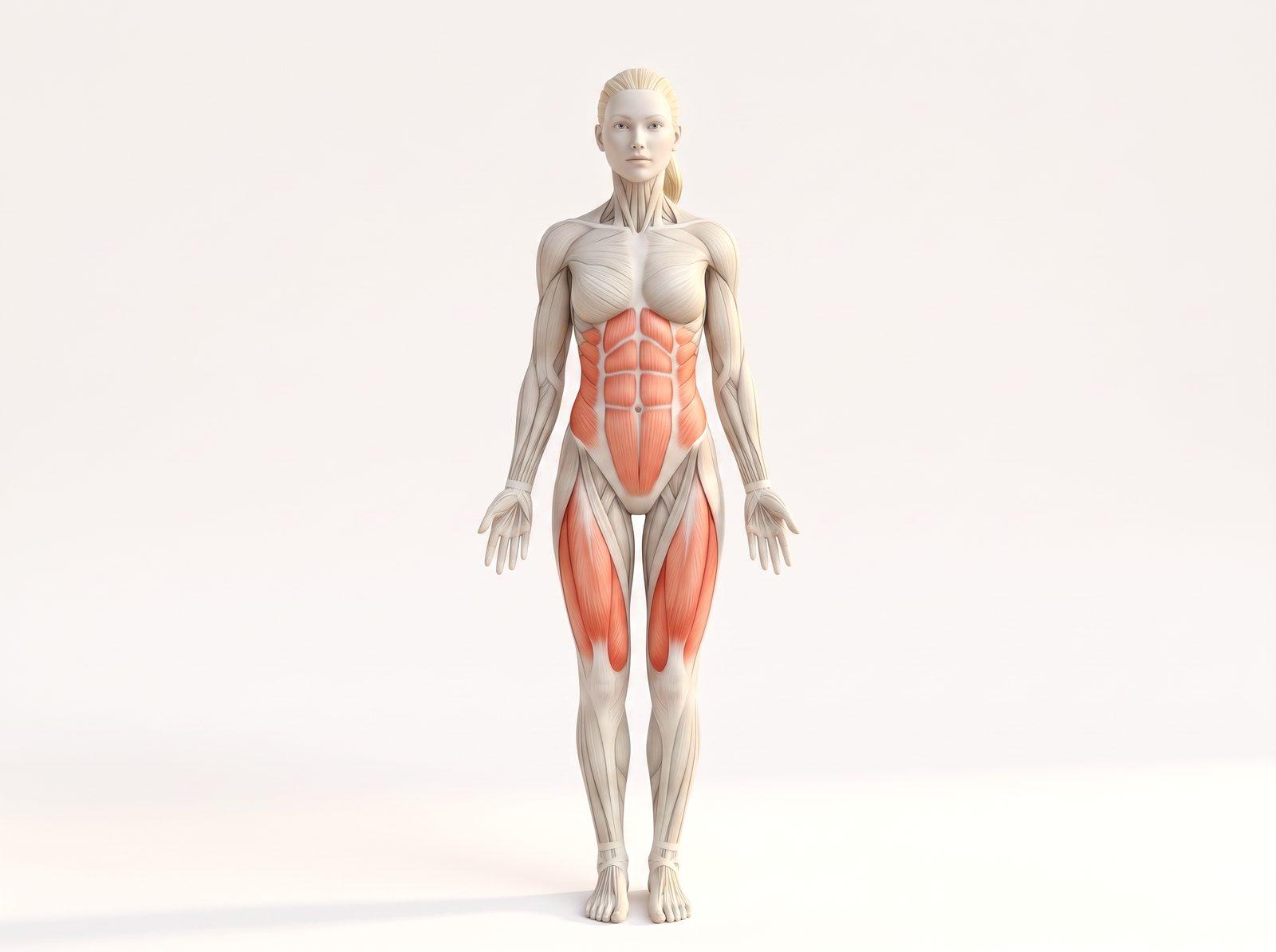
Working: Quadriceps, Abdominals
Full muscle breakdown ↓About This Pose
Mountain Pose (Tadasana) is the foundational standing pose from which all other standing poses emerge. Despite appearing simple, this pose teaches the fundamental principles of alignment, grounding, and body awareness that inform every aspect of yoga practice. The name comes from tada meaning mountain, reflecting the stable, grounded quality this pose embodies. Standing with feet together or hip-width apart, practitioners learn to distribute weight evenly, engage muscles appropriately, and find length through the spine. This deceptively challenging pose requires attention to subtle adjustments that create a sense of lift and ease. Regular practice of Tadasana improves posture, develops body awareness, and creates a template for optimal alignment.
Muscles Worked in Mountain Pose
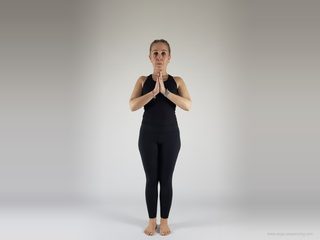
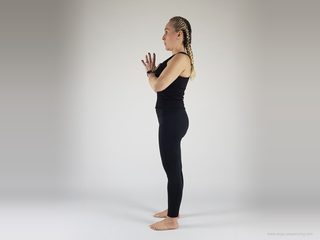
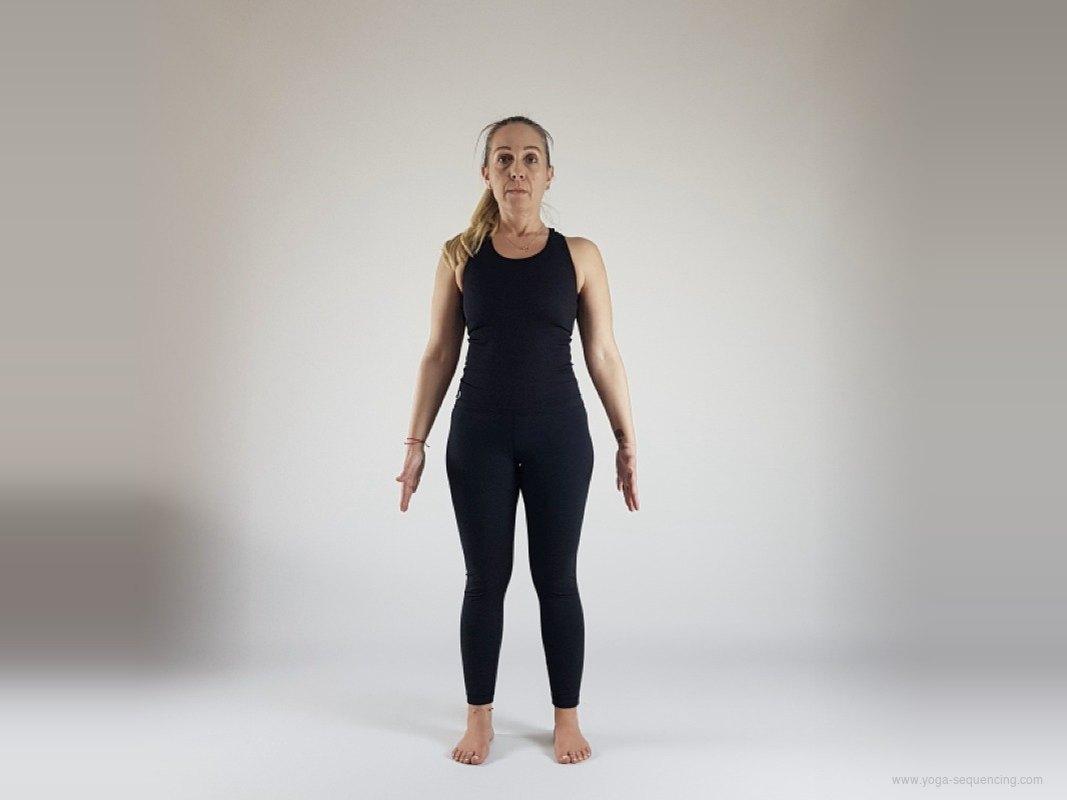
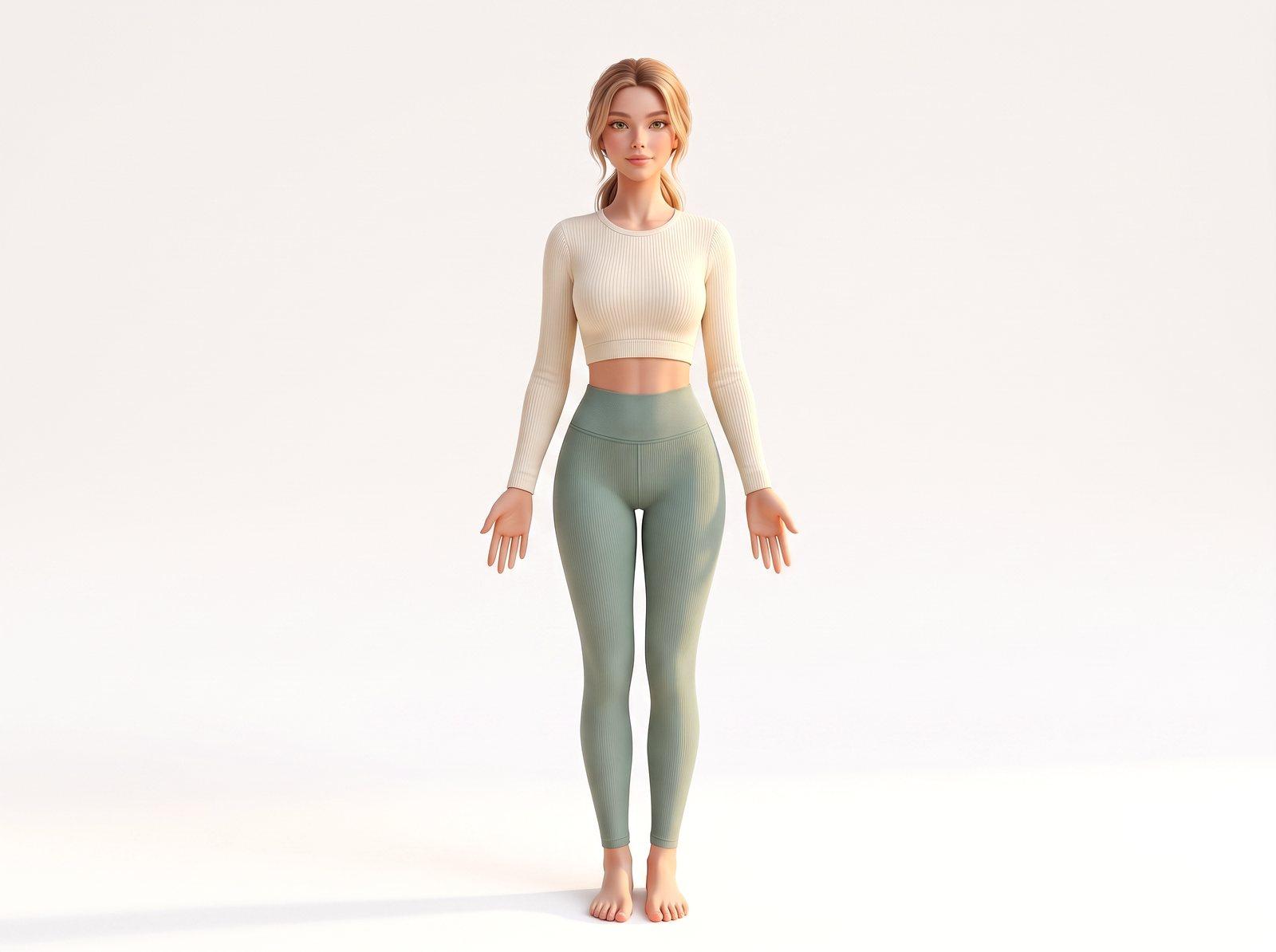
The photo shows Mountain Pose (Tadasana): standing tall with the feet together, legs straight, arms by the sides and the palms turned forward. It is a postural hold in which the legs, deep core and spine muscles quietly keep the body upright.
Working
- Quadriceps (quadriceps femoris)
- Abdominals (rectus abdominis, transversus abdominis)
Stretching
This is a neutral standing posture with no major stretch.
Also holding you steady: your the muscles along your spine, the muscles of your feet and ankles, hip stabilisers (gluteus medius) and rotator cuff, rolling the shoulders open with the palms forward.
Variations and joint actions
- Feet hip-width: Standing with the feet hip-width apart gives a steadier base.
- Arms overhead: Raising the arms turns it into Upward Salute (Urdhva Hastasana).
- Hips neutral, pelvis level
- Knees extension, not locked
- Ankles neutral, weight over the whole foot
- Spine neutral, lengthened
- Shoulders slight external rotation, palms forward
Roles are qualitative — this section does not measure how hard any muscle works. References: Leslie Kaminoff & Amy Matthews, Yoga Anatomy (Human Kinetics); Ray Long, The Key Muscles of Yoga (Bandha Yoga).
Step-by-Step Instructions
- 1
Stand with feet together or hip-width apart
- 2
Spread toes and ground through all four corners of feet
- 3
Lift inner arches without gripping floor
- 4
Engage thigh muscles lifting kneecaps
- 5
Tuck tailbone slightly without flattening lower back
- 6
Draw lower belly in gently
- 7
Roll shoulders back and down
- 8
Let arms hang alongside body
- 9
Lengthen through crown of head
- 10
Soften facial muscles
- 11
Breathe naturally
- 12
Hold with awareness for 5-10 breaths
Alignment Cues
- Weight evenly distributed through feet
- Legs engaged but not rigid
- Pelvis in neutral position
- Spine naturally curved
- Shoulders over hips
- Crown of head reaching upward
- Chin parallel to floor
Benefits
- Establishes foundational alignment principles
- Improves overall posture
- Develops body awareness
- Strengthens thighs knees and ankles
- Firms abdomen and buttocks
- Creates sense of grounding
- Calms the mind
- Prepares for all standing poses
Modifications
- Stand with feet hip-width apart
- Practice against wall for feedback
- Use block between thighs
Variations
- Arms overhead in Urdhva Hastasana
- Hands in prayer at heart
- Eyes closed for awareness
Cautions & Contraindications
Cautions
- Avoid locking knees completely
- Keep neck in neutral alignment
- Maintain natural spinal curves
Avoid this pose if you have:
- Severe balance disorders
- Low blood pressure with dizziness
- Headache
Quick Facts
Primary Focus
full bodySecondary Focus
Suggested Hold
60 seconds
Tags
Equipment