
Downward Facing Dog Bent Knees
Adho Mukha Svanasana Variation
About This Pose
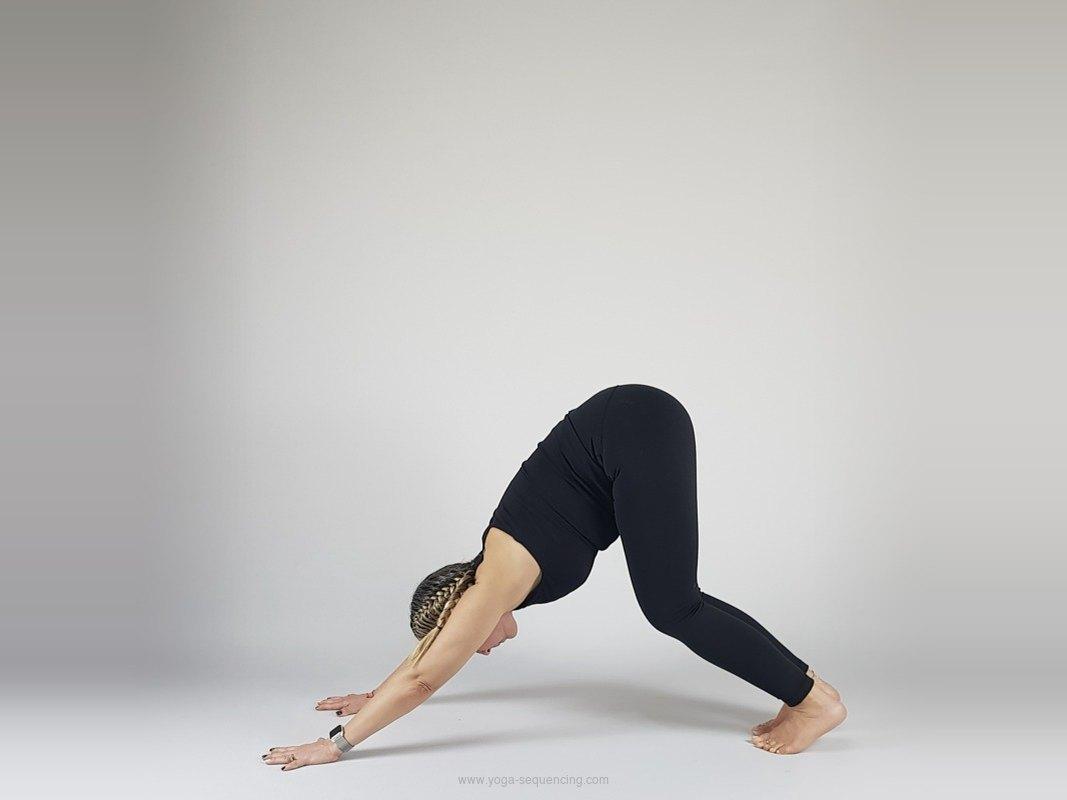
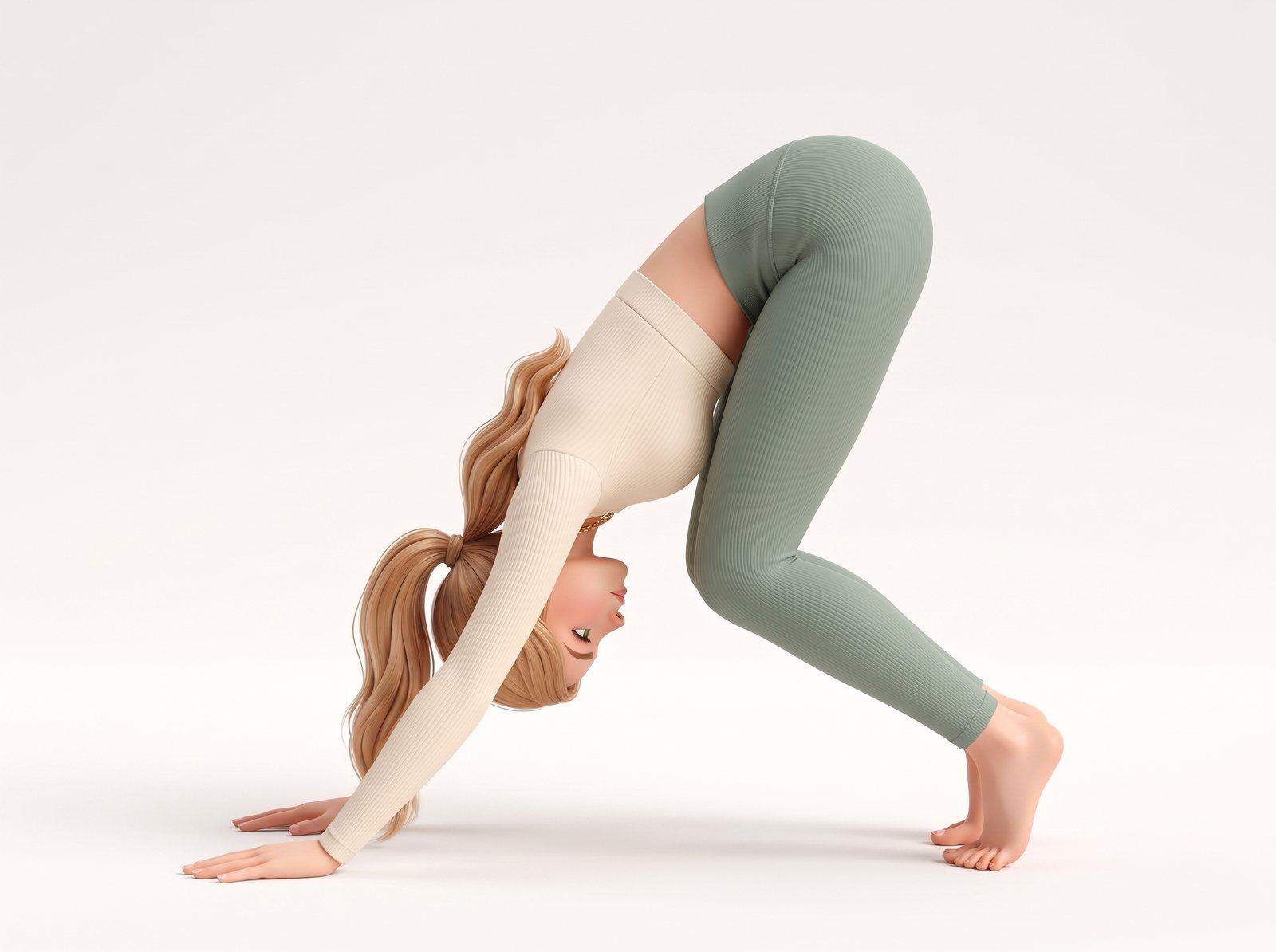
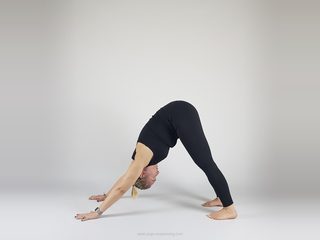
Downward Facing Dog with Bent Knees offers an accessible entry point to this foundational pose by prioritizing spinal elongation over hamstring flexibility. By keeping the knees bent, practitioners can focus on creating a long, straight spine and proper shoulder engagement without the limitation of tight hamstrings pulling the pelvis under. This variation is essential for beginners, those with tight hamstrings, or anyone working on building proper Down Dog alignment. The bent knee position allows the pelvis to tilt forward, creating the correct spinal position that defines a well-aligned Down Dog. This is not a lesser version but a teaching tool that establishes correct patterning.
Muscles Worked in Downward Facing Dog Bent Knees
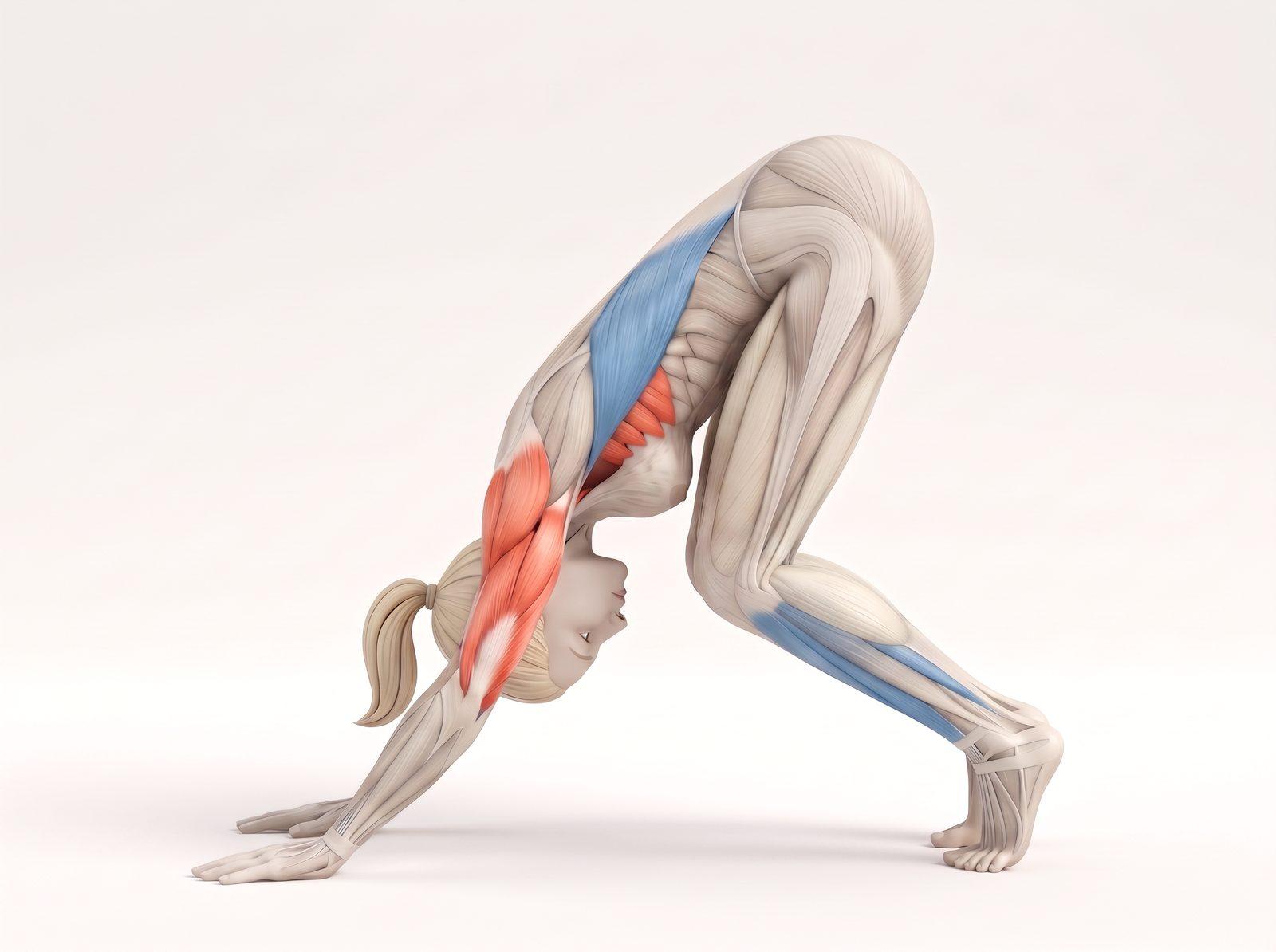
Downward Facing Dog Bent Knees strengthens the shoulders, serratus anterior and triceps, and stretches the lats and the deep calf muscle (soleus). Bending the knees takes most of the stretch out of the hamstrings so the spine can stay long.
Working
- Shoulders (deltoids)
- Serratus anterior
- Triceps (triceps brachii)
Stretching
- Lats (latissimus dorsi)
- Deep calf (soleus)
Also holding you steady: your core, rotator cuff and the muscles along your spine.
Variations and joint actions
- Straight legs (Downward Facing Dog): Adds a stretch along the hamstrings and the upper calves (gastrocnemius).
- Pedalling the feet: Bending one knee at a time alternates the calf stretch between the legs.
- Shoulders flexion
- Elbows extension
- Wrists extension
- Spine long, neutral
- Hips deep flexion
- Knees flexion
- Ankles dorsiflexion
Roles are qualitative — this section does not measure how hard any muscle works. References: Leslie Kaminoff & Amy Matthews, Yoga Anatomy (Human Kinetics); Ray Long, The Key Muscles of Yoga (Bandha Yoga).
Step-by-Step Instructions
- 1
Begin on hands and knees in tabletop
- 2
Place hands shoulder-width apart, fingers spread
- 3
Tuck toes and lift hips up and back
- 4
Keep the knees bent as deeply as needed
- 5
Focus on lengthening the spine
- 6
Tilt the pelvis forward (anterior tilt)
- 7
Press firmly through the hands
- 8
Draw shoulder blades down the back
- 9
Let the head hang naturally
- 10
Hold for 5-10 breaths
- 11
Gradually work toward straightening the legs over time
Alignment Cues
- Knees can be bent generously
- Spine is the priority—keep it long and straight
- Pelvis tilts forward, tailbone lifts
- Weight evenly in hands and feet
- Shoulders broad and stable
- Head and neck relaxed
- Heels don't need to reach the floor
Benefits
- Teaches proper spinal alignment in Down Dog
- Accessible for those with tight hamstrings
- Builds shoulder strength and stability
- Elongates the spine safely
- Creates space in the lower back
- Allows focus on upper body positioning
- Reduces strain on the lower back
- Progressive path to straight-leg version
Modifications
- Bend knees as much as needed
- Use blocks under hands
- Practice against a wall
- Focus on shorter holds with good form
Variations
- Slowly work toward straighter legs
- Pedal the feet while keeping knees bent
- Rock forward and back
- Progress to full Down Dog as flexibility improves
Cautions & Contraindications
Cautions
- Still press firmly through the hands
- Maintain the inverted V shape
- Don't round the spine—keep it long
- Keep weight distributed evenly
- Engage the core throughout
Avoid this pose if you have:
- Wrist injuries
- Shoulder problems
- Uncontrolled high blood pressure
- Late pregnancy
Quick Facts
Primary Focus
spineSecondary Focus
Suggested Hold
30 seconds
Tags
Equipment
Related Poses
Sequences with this pose
Teacher-written sequences that use Downward Facing Dog Bent Knees.
Browse all sequences →